


More news on this day
Caribbean cruise itineraries are rapidly shifting from quick port calls to full-scale resort days, as Norwegian, Disney, Royal Caribbean, MSC and others pour investment into private islands packed with waterparks, curated beaches and themed entertainment.
Get the latest news straight to your inbox!
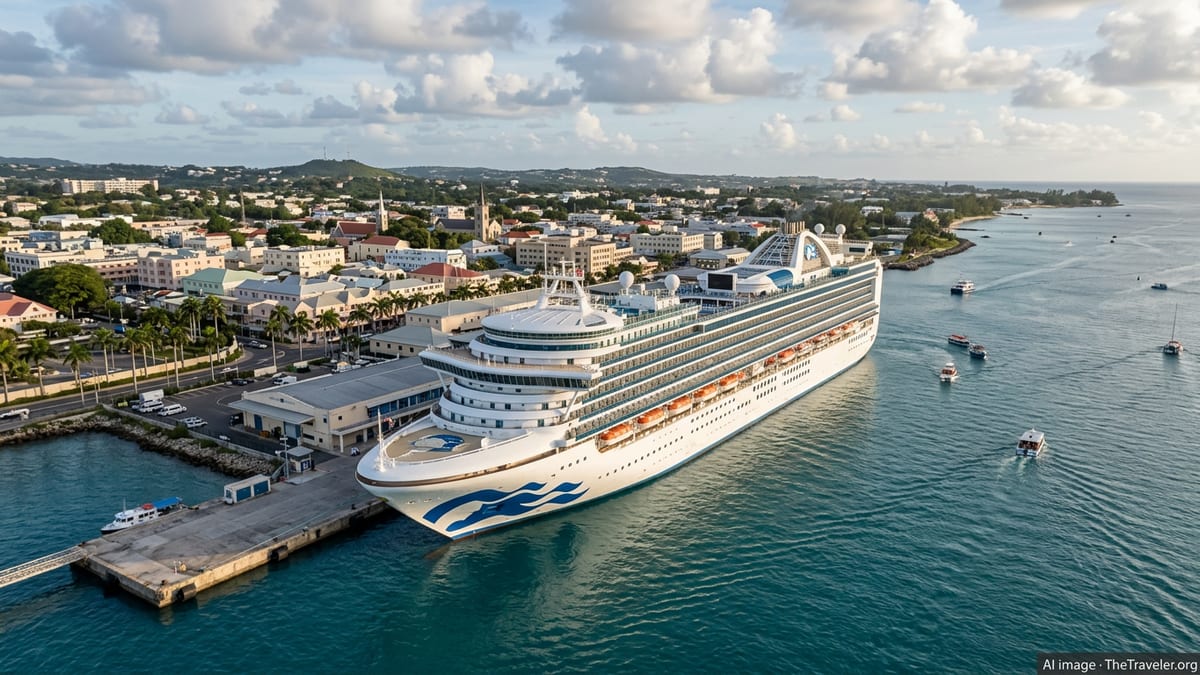
From Transit Ports to All-Inclusive Island Days
For decades, Caribbean cruise stops were built around brief visits to regional ports, with travelers shuttled to beaches or shopping districts for a few hours before returning to the ship. In recent years, that model has been steadily replaced by purpose-built private destinations designed to keep guests in a controlled environment for an entire day, offering a mix of water attractions, dining and organized recreation.
Publicly available information from the major brands shows that investment has accelerated across the Bahamas and wider Caribbean. Royal Caribbean has expanded its Perfect Day at CocoCay concept, Disney Cruise Line has opened a second Bahamian destination, MSC Cruises is layering on new family experiences at Ocean Cay, and Norwegian Cruise Line continues to rework Great Stirrup Cay and Harvest Caye. Each project is framed as giving cruise passengers a “perfect day” on land without the logistical and security complications that often accompany traditional port calls.
Analysts note that these destinations also support cruise companies’ broader commercial strategies. By controlling the environment, operators can tailor everything from cabana rentals to branded food and beverage programs, capturing more onboard-style spending while promoting the islands as headline features of new ships and itineraries.
Royal Caribbean Scales Up the Waterpark Arms Race
Royal Caribbean was an early mover in reshaping the cruise stop into an amusement-style experience with its Perfect Day at CocoCay in the Bahamas. The island features a large waterpark, including high-profile slides and a lagoon-style pool area promoted as one of the largest in the region. Marketing materials emphasize that a significant portion of activities, such as beach access and certain pools, are included in the fare, while high-thrill attractions and premium areas are offered as paid upgrades.
The company has continued to add differentiated zones targeting specific traveler segments. Hideaway Beach, a newer adults-only enclave that opened in 2024, combines an infinity pool, swim-up bar, DJ sets and upgraded loungers in a separate section of CocoCay. Planning documents and promotional details indicate a capacity limit and paid day passes, positioning the area as a more exclusive, party-forward option for guests seeking a club-like atmosphere rather than a family park setting.
Royal Caribbean has also signaled that the Perfect Day formula could extend beyond the Bahamas. Corporate presentations and press materials describe the concept as a template for other destinations, with the company already outlining plans for a similar branded experience on Mexico’s Caribbean coast. The result is a network of island products where water features, signature pools and photo-ready beaches are central to marketing new mega-ships.
Disney Doubles Down on Bahamian Beach Escapes
Disney Cruise Line has joined the private island expansion with Disney Lookout Cay at Lighthouse Point on Eleuthera, which welcomed guests in 2024. According to Disney’s published fact sheets and destination descriptions, the site blends cultural theming with classic beach-resort infrastructure, offering family beaches, nature trails and a central hub for activities and dining.
Water play is a major component of the new destination. Disney highlights Sebastian’s Cove, a splash pad for younger children, alongside Rush Out Gush Out, a larger water play area with slides designed for families. These features sit alongside traditional beach and lagoon zones, giving ships the ability to market the call as an extension of the onboard water experience that has long been a Disney selling point.
The company emphasizes that the island’s design incorporates Bahamian art and environmental considerations, responding to scrutiny that has followed large-scale development projects in the archipelago. While the focus is firmly on recreation, published information notes that a portion of the land has been set aside as a public park and that certain natural areas are being preserved, reflecting an attempt to balance themed entertainment with local expectations.
Norwegian and MSC Refine Their Island Strategies
Norwegian Cruise Line operates two key private destinations in the region: Great Stirrup Cay in the Bahamas and Harvest Caye in Belize. Great Stirrup Cay has been progressively upgraded with expanded beaches, cabanas, dining venues and water-based excursions, moving it closer to the resort-style model that rivals are promoting. Harvest Caye, by contrast, is positioned as a larger resort day with a central freshwater pool, beach access and options to connect to mainland tours in southern Belize.
Industry reports indicate that Norwegian continues to adjust these islands to align with newer ship classes geared toward families and active travelers. While its destinations have not yet featured the same headline-grabbing tower slides as some competitors, the line has leaned into cabanas, zip lines, snorkeling areas and floating platforms to deliver variety without dramatically altering the islands’ basic layouts.
MSC Cruises has taken a different approach at Ocean Cay MSC Marine Reserve, a former industrial sand excavation site in the Bahamas that has been redeveloped as a beach-focused stop. Company information describes multiple distinct beaches, a central lagoon and a strong emphasis on marine restoration, with coral projects and restricted zones to support local ecosystems. In late 2025 and 2026, MSC has been rolling out additional family entertainment and evening programming, expanding the island’s role beyond a simple daytime beach break.
What It Means for Caribbean Ports and Passengers
The build-out of private waterpark and beach complexes is reshaping how cruise passengers experience the Caribbean. Travelers on itineraries that include these islands often find that the most anticipated stop is not a traditional port city but a branded destination controlled by the cruise line, where activities, payments and logistics mirror life onboard. For families and first-time cruisers, this can simplify planning and reduce concerns over transportation, safety or unfamiliar surroundings.
The trend has raised questions among regional tourism stakeholders about how much passenger spending reaches local economies when ships prioritize private enclaves over public ports. Although cruise companies highlight employment, construction contracts and some excursion partnerships as benefits for host nations, critics point to the limited interaction many guests now have with independent businesses in Caribbean towns.
For now, the race to deliver ever-more elaborate island days shows little sign of slowing. New ships launching through the late 2020s are being marketed not only on their onboard attractions but also on exclusive access to waterparks, adults-only clubs and curated beaches on nearby cays. As more lines follow Royal Caribbean, Disney, Norwegian and MSC in reimagining their island properties, the definition of a “port day” in the Caribbean is steadily shifting toward all-inclusive, theme-park-style escapes rather than open-ended exploration ashore.