


More news on this day
Turkey and Albania are emerging as one of Europe’s most closely linked travel corridors as Turkish Airlines rolls out daily flights between Istanbul and Tirana, a move expected to accelerate tourism growth and deepen cross-border business ties.
Get the latest news straight to your inbox!
New Daily Service Anchors a Key Balkan Air Link
Publicly available schedule data shows that Turkish Airlines is now operating daily nonstop flights between Istanbul Airport and Tirana International Airport Nënë Tereza, restoring a consistent frequency on a route that had seen fluctuating capacity in recent years. Timetable information indicates that the Istanbul to Tirana sector is typically flown in around one hour and 45 minutes, positioning it as a short regional hop feeding a much wider global network.
Information released by Tirana International Airport in January 2026 describes the start of Turkish Airlines operations at the airport, with daily flights on the Tirana to Istanbul route highlighted as a strategic expansion of its airline portfolio. The airport’s announcement states that the carrier formally joined its network from 23 January, underlining the importance of Istanbul as both a regional commercial hub and a major global transfer point.
Industry platforms tracking schedules report that Turkish Airlines is currently the only full service carrier offering nonstop service between Istanbul’s main airport and Tirana, complementing low cost operations from the wider Istanbul region. Aviation analysts note that this combination of legacy and budget capacity is reshaping how both leisure and business travelers plan trips between Turkey and Albania.
Tourism Demand Between Turkey and Albania Keeps Rising
Recent passenger reports from Tirana International Airport point to strong demand on routes linking Albania with Turkey, with Istanbul consistently ranked among the airport’s busiest international destinations. The route’s performance is attributed to a mix of outbound Albanian leisure travel to Turkey’s resort areas, inbound Turkish tourism to the Albanian Riviera, and a sizable visiting friends and relatives segment.
Tourism observers say that the daily Turkish Airlines service is arriving at a time when Albania’s profile as a Mediterranean destination is surging in key source markets. Coastal centers such as Sarandë, Vlorë, and Dhërmi have seen a rapid increase in visitors from across Europe, with travelers often combining stays in Albania with city breaks in Istanbul or beach holidays on Turkey’s Aegean and Mediterranean coasts.
Travel coverage indicates that Turkey’s own tourism industry stands to benefit as well. With improved air access, Albanian travelers gain easier connections to popular Turkish destinations including Antalya, Bodrum, and Cappadocia, in addition to Istanbul’s historic center. Sector analysts argue that this two way flow of visitors reinforces Turkey and Albania as complementary rather than competing regional destinations.
Business, Trade, and Diaspora Travel Set to Intensify
According to published coverage in airline and trade publications, the upgraded Istanbul to Tirana link is expected to generate new momentum in bilateral commerce. Turkey is already listed among Albania’s key trading partners, and improved flight connectivity is frequently cited as a driver for additional investment, particularly in construction, retail, and energy related projects.
Business travel specialists note that a stable daily frequency is particularly important for corporate travelers, who rely on predictable schedules for short notice trips. With a morning or mid day departure from Tirana and convenient return options via Istanbul, Turkish and Albanian companies can now execute same day or overnight business visits more easily, reducing the need for longer stays and multi stop itineraries.
Analysts also highlight the role of the Albanian diaspora in boosting demand. Many Albanians living in Turkey and further afield in North America and Western Europe are now able to use Istanbul as a primary gateway to visit friends and relatives in Albania. The daily Istanbul to Tirana service connects into Turkish Airlines’ extensive long haul network, which spans major cities in the United States, Canada, the Gulf region, and East Asia, thereby simplifying complex multi segment journeys.
Competition and Connectivity in a Crowded Market
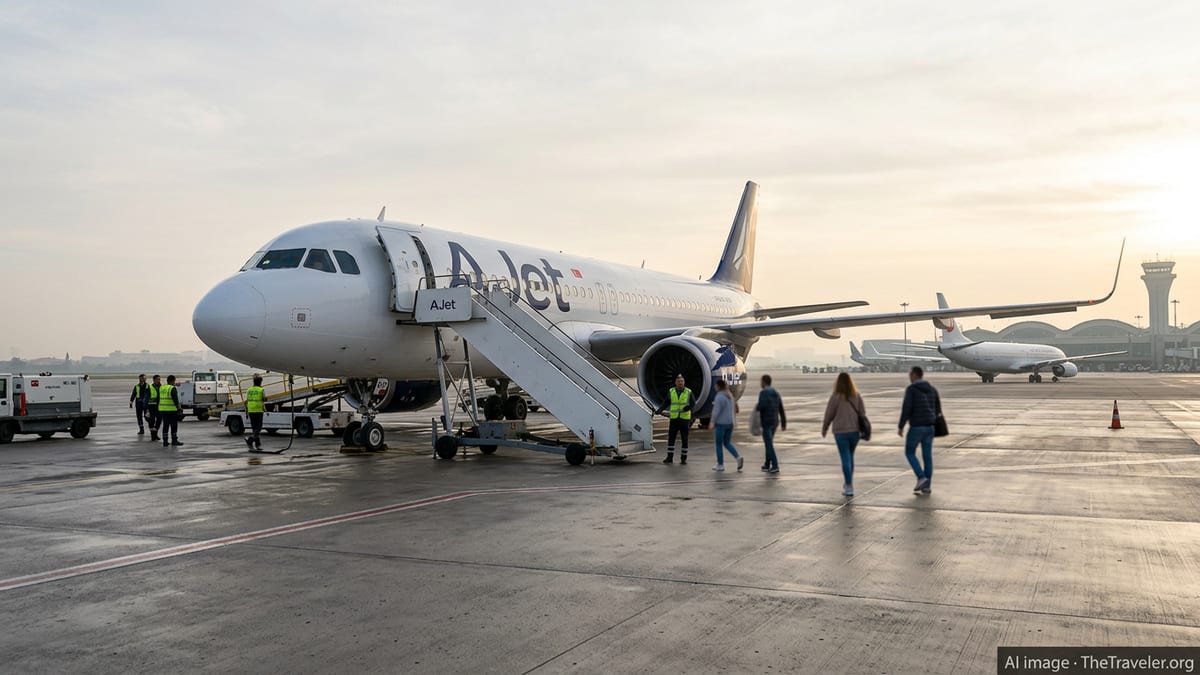
The daily Turkish Airlines flights enter a market that has grown increasingly competitive, with both full service and low cost carriers targeting the Turkey to Albania corridor. Low cost subsidiary AJet, which is part of the broader Turkish Airlines group, has introduced its own services between Istanbul’s Sabiha Gökçen Airport and Tirana, along with flights from Ankara, giving price sensitive travelers additional options on the route.
Separate from the flag carrier, other Turkish and regional airlines have focused on point to point seasonal links, particularly during the peak summer period when leisure demand surges. Reports on route development at Tirana International Airport indicate that Istanbul ranks among the top city pairs by passenger volume, a trend that has encouraged airlines to test new frequencies and aircraft types.
Despite this competition, industry data suggests that Turkish Airlines’ position at Istanbul Airport gives it a distinct advantage for transfer traffic. Passengers boarding in Tirana can connect with a single ticket to hundreds of onward destinations, benefitting from coordinated schedules and through checked baggage. Commentators say this end to end connectivity, rather than just the point to point market, is central to the business case for daily operations.
Strategic Benefits for Both Gateways
Aviation analysts emphasize that the Istanbul to Tirana development is as much about airport strategy as airline growth. For Istanbul Airport, the addition of consistently scheduled Balkans services reinforces its role as a regional super hub that gathers traffic from secondary European markets before redistributing it globally. Each new daily route adds incremental feed, supporting higher load factors on long haul services.
For Tirana International Airport, the arrival of Turkish Airlines as a daily operator is seen in public communications as both a commercial win and a symbolic one. It brings Albania more firmly into the orbit of one of Europe’s largest carriers by destination count, and helps diversify the airport’s mix of airlines, which in recent years has leaned heavily toward low cost operators.
Travel industry observers suggest that the partnership between the two gateways could expand further, with potential for additional frequencies, seasonal capacity growth, or tailored schedules aimed at specific connecting markets. As Turkey and Albania continue to deepen trade, tourism, and cultural links, the strengthened daily air bridge between Istanbul and Tirana is likely to play a central role in shaping how people and businesses move across the wider Balkan region.