


More news on this day
The Darjeeling Himalayan Railway is preparing a fresh line-up of exclusive toy train joyrides for the 2026 Durga Puja season, expanding short heritage trips and premium services in an effort to capture surging festival tourism in the eastern Himalayas.
Get the latest news straight to your inbox!
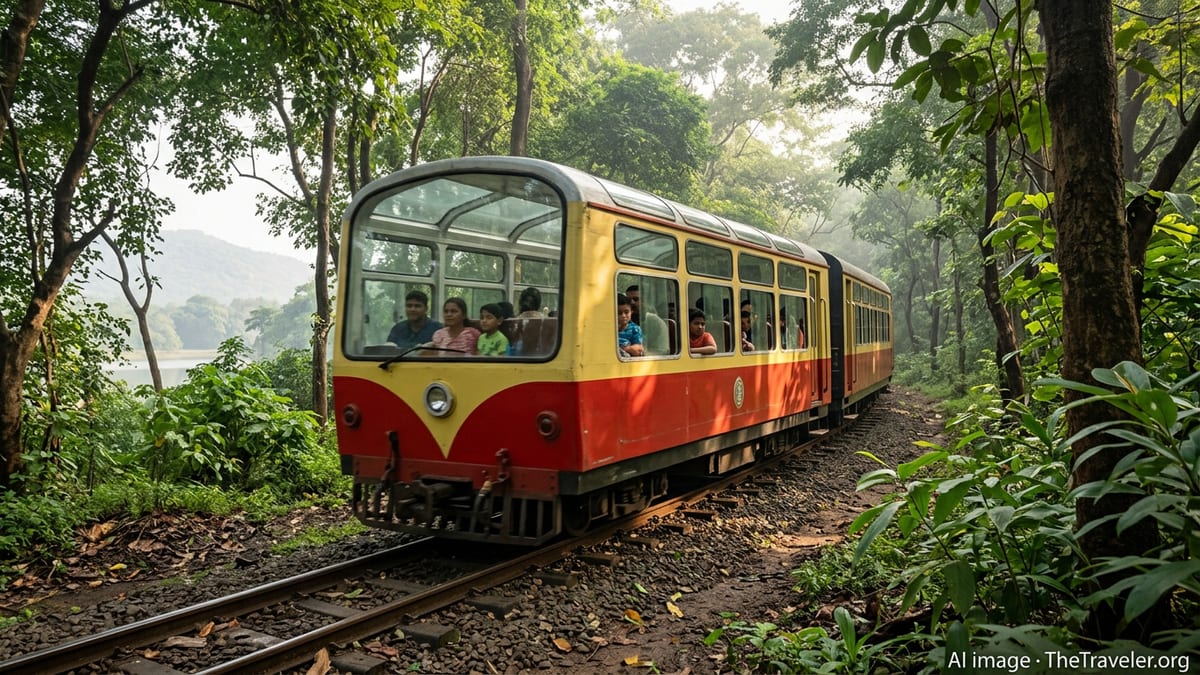
Expanded Festival Services on the UNESCO Heritage Line
According to recent regional media coverage and railway information portals, the Darjeeling Himalayan Railway is set to operate an increased number of short-distance toy train journeys around Durga Puja, beginning on October 1, 2026. The focus is on compact, scenic rides that can fit easily into crowded holiday itineraries, while still offering a taste of the full mountain route between New Jalpaiguri and Darjeeling.
Published reports describe additional joyride departures on the popular Darjeeling to Ghum corridor, one of the steepest and most photographed sections of the 88-kilometer narrow-gauge line. Extra diesel-hauled services are expected to connect Darjeeling with Ghum via Batasia Loop, with fares positioned as more affordable entry points to the UNESCO World Heritage railway experience.
The short-format rides are being positioned for day-trippers and families visiting during Durga Puja, when tourist numbers in the hill station sharply increase. Publicly available schedules indicate that select single-trip services between Darjeeling and Ghum will run multiple times a day with diesel traction, while separate heritage steam specials will operate on longer loops originating further down the line.
New ‘Muktadhara’ and ‘Red Panda’ Joyrides Target Heritage Tourists
One of the headline additions for the 2026 festive season is a pair of new named joyrides, highlighted in Bengali-language travel and news coverage. The diesel-powered service has been branded “Muktadhara,” while a parallel steam-hauled run carries the name “Red Panda,” referencing one of Darjeeling’s most emblematic high-altitude species.
Reports indicate that these services will operate between Kurseong and Mahanadi, passing waterfalls and deep valleys that inspired Rabindranath Tagore’s writings, including references to the Paglajhora cascade. The route is being marketed as a dedicated heritage excursion, distinct from the standard Darjeeling–Ghum loop and the full-length New Jalpaiguri–Darjeeling run.
Pricing details published in local outlets suggest a clear differentiation between the two new products. Indicative fares cited for the Kurseong–Mahanadi steam “Red Panda” service are around ₹1,530 per passenger, while the diesel “Muktadhara” journey is listed at approximately ₹1,030. By contrast, diesel-only joyrides on the Darjeeling–Ghum circuit have been reported at about ₹800, aimed at wider, price-sensitive holiday crowds.
The pairing of a higher-priced steam heritage ride with a relatively more affordable diesel option mirrors a broader pattern on the Darjeeling Himalayan Railway, where steam remains a premium draw for rail enthusiasts and heritage-focused visitors, while diesel traction underpins the core tourist and local services.
Durga Puja Tourism Push Across the Darjeeling Hills
The intensified toy train program forms part of a wider Durga Puja strategy in the Darjeeling hills, where hotels, homestays, and tour operators are preparing for one of the busiest periods of the year. Travel reports from North Bengal note that demand for toy train seats typically spikes in October, reflecting a strong preference among domestic visitors to experience the century-old mountain railway during the festival holidays.
Regional coverage from 2025 already pointed to a trend of seasonal special rides and charter options around Durga Puja and the subsequent winter peak, with multiple pairs of steam and diesel services scheduled as festive extras. The 2026 line-up builds on that precedent with more structured branding, expanded joyride frequencies and an emphasis on heritage interpretation tied to literary and natural landmarks along the route.
Tourism promotion material for the area consistently highlights the toy train as a central attraction, alongside panoramic viewpoints of Kangchenjunga, tea garden visits, and short treks. By formalizing named Puja-season journeys such as “Muktadhara” and spotlighting the steam “Red Panda” service, the railway appears to be tapping both nostalgia and novelty to draw repeat visitors.
Travel planners in the region also point to the possibility of packaging these Durga Puja joyrides with stays in Kurseong or Darjeeling, allowing visitors to pair the train experience with village walks, tea estate tours, and local Puja pandal visits in the hills.
Heritage Conservation and Visitor Management on a Fragile Route
The Darjeeling Himalayan Railway, opened in stages between 1880 and 1886, is internationally recognized as both an engineering landmark and a fragile mountain transport lifeline. Official tourism and heritage documentation underline the challenges of operating on steep gradients, through landslide-prone areas, and along road-hugging alignments where the track frequently shares space with vehicles and pedestrians.
In this context, the shift toward more short-distance joyrides and controlled heritage excursions during peak festivals can be read as an attempt to balance conservation with visitor pressure. Compact loops between Darjeeling, Ghum, Kurseong and intermediate stations allow capacity to be increased for tourists without overburdening longer sections of the line that are more vulnerable to monsoon damage or operational bottlenecks.
Information from regional railway notices and tourism departments indicates that the Durga Puja schedule is being planned alongside existing jungle safari and tea garden-themed trips on the lower sections of the route, such as the Siliguri–Rangtong safari. The combined portfolio presents a layered heritage offering, from dense forest and tea landscapes to high-elevation viewpoints and historic hill stations.
Observers of Himalayan tourism trends note that UNESCO listing has significantly raised the global profile of the Darjeeling Himalayan Railway. Festival-oriented services like the new Durga Puja joyrides may help convert that recognition into sustained revenue for maintenance, rolling stock upgrades and station-area improvements, while keeping the toy train at the center of Darjeeling’s evolving visitor economy.
Practical Details for Durga Puja Travelers
Prospective passengers are being advised by regional news outlets and travel intermediaries to book Durga Puja toy train seats well in advance, particularly for the steam “Red Panda” runs and the branded diesel “Muktadhara” joyrides. Previous years’ Puja operations have shown that same-day tickets on popular departures can be difficult to secure once the holiday week begins.
Current reporting suggests that the new Kurseong–Mahanadi heritage rides will run twice daily, with one steam and one diesel departure, while the Darjeeling–Ghum diesel joyrides will see additional slots layered onto the existing timetable. Exact timings and coach compositions are being circulated through official railway channels and booking platforms in the lead-up to October.
Travel information portals for Darjeeling also stress that conditions in the hills can change rapidly during the shoulder period between the monsoon and the onset of winter. Visitors planning Durga Puja toy train journeys are encouraged to monitor operational advisories close to departure, especially in the event of heavy rain or landslips that could affect sections of the track.
Despite these challenges, the Darjeeling Himalayan Railway remains one of India’s most sought-after rail experiences, with the festival-season toy train program now serving as both a heritage showcase and a key economic driver for communities along the line.
Anandabazar Patrika coverage of new Durga Puja toy train routes
Sangbad Pratidin report on additional Puja-season toy train services