


More news on this day
Svalbard is emerging as the center of a fast‑evolving Arctic cruise boom, with Hurtigruten and a growing field of expedition operators expanding capacity, refreshing itineraries and racing to adapt to stricter environmental rules in Norway’s high north.
Get the latest news straight to your inbox!
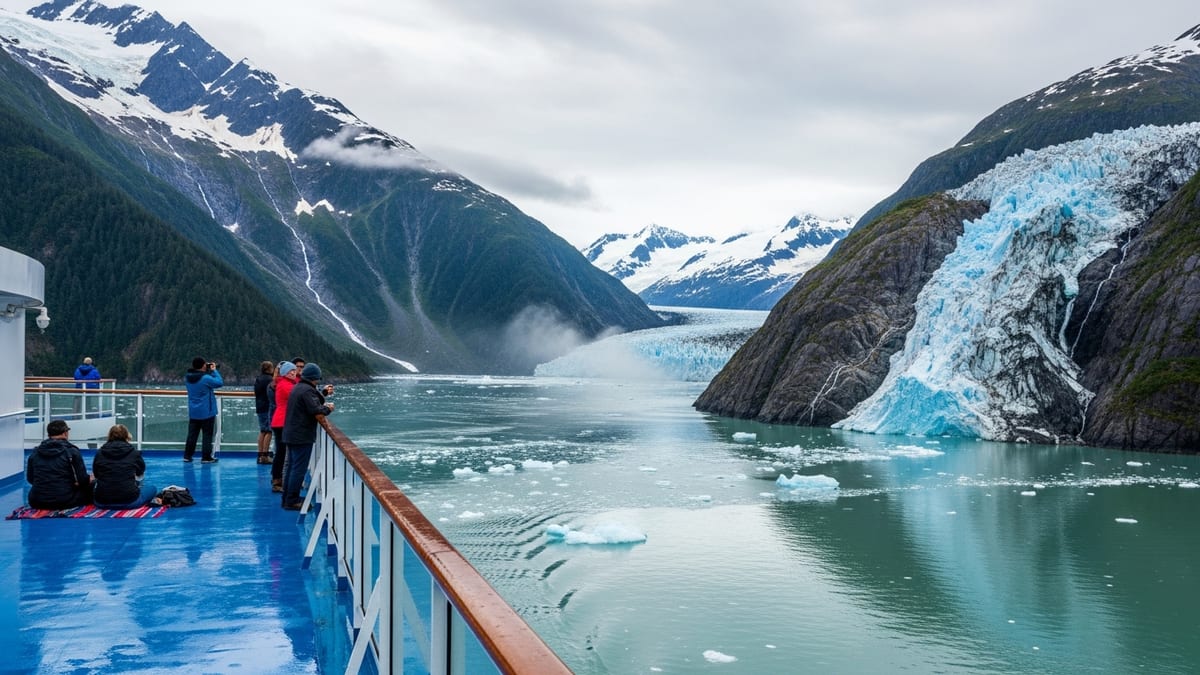
Svalbard Surges to the Top of Norway’s Cruise Map
Recent data from Norway and Svalbard-specific studies indicate that the archipelago has shifted from a niche expedition destination to one of the country’s core cruise draws. A Norwegian government white paper on Svalbard tourism notes that Longyearbyen ranked as Norway’s third most visited cruise port in 2023 when measured by ship calls, a remarkable trajectory for a town of barely 2,500 residents located deep inside the Arctic Circle.
Separate analysis commissioned by Visit Svalbard and carried out by the Western Norway Research Institute describes a pronounced upswing in both conventional and expedition cruise activity over the past decade, even as other segments of Svalbard tourism fluctuate with global conditions. The report highlights that expedition cruises, typically operating smaller vessels with turnaround in Longyearbyen, have become a particularly important segment for the local economy.
A dedicated cruise impact study published for the 2024 season calculates that visiting cruise ships generated about 361.5 million Norwegian kroner in local turnover that year, corresponding to roughly 9 percent of Svalbard’s total economic activity. According to publicly available figures, both expedition and larger conventional cruises contributed to this result, underscoring how strongly the archipelago now depends on shipborne visitors.
Hurtigruten Doubles Down on the High Arctic
Among the operators vying for travellers, Hurtigruten has positioned itself at the forefront of the Svalbard boom. The company has introduced a dedicated Svalbard Line that connects Bergen with Longyearbyen in the summer months, marketed as an all-inclusive coastal and Arctic voyage that threads Norway’s fjords before pushing north under the midnight sun. Its online brochures and booking pages show multiple sailings extending into the late 2020s, reflecting confidence in continued demand.
Hurtigruten has also announced new Svalbard-focused packages for 2026 and beyond that combine the coastal Svalbard Line with several days of land-based activities in and around Longyearbyen. According to the line’s own published information, these trips typically add wildlife and glacier cruises, multi-day expedition-style segments into Svalbard’s more remote fjord systems and visits to polar research outposts such as Ny-Ålesund when conditions permit.
On Svalbard itself, Hurtigruten’s local arm has expanded its fleet of smaller vessels, including the hybrid-electric catamaran MS Bard, used for day tours to glaciers and wildlife areas. These operations target travellers who base themselves in Longyearbyen but still want a taste of expedition cruising, blurring the line between shore excursion and mini-cruise and further boosting the archipelago’s ship-related visitor numbers.
Company statements indicate that Hurtigruten expects to surpass one million guest nights across its Norwegian operations in 2025, supported in part by increased capacity to Svalbard. The operator has invested heavily in hybrid propulsion and energy-efficiency upgrades across its fleet, presenting these as key differentiators in an increasingly crowded Arctic market.
Rivals Expand as Expedition Segment Heats Up
Hurtigruten may be the most visible name in Svalbard, but it is far from alone. The wider Arctic expedition sector has grown sharply, with specialist lines, smaller yacht-style operators and polar-focused brands adding Svalbard itineraries that range from short week-long loops to extended High Arctic expeditions combined with Greenland or Iceland.
Industry commentary and operator marketing materials show a clear competitive divide between larger expedition ships, which can accommodate hundreds of guests, and tiny vessels carrying a dozen or so passengers. Smaller ships can access more restricted landing sites and offer a quieter, expedition-style experience, while bigger ships lean on amenities, price competitiveness and brand recognition. This variety has made Svalbard accessible to a broader spectrum of travellers, from luxury guests to budget-conscious adventure seekers.
Online travel discussions suggest that some travellers see Hurtigruten as a bridge between traditional cruising and pure expedition voyages, whereas micro-operators promote their scale as an advantage for intimate landings and flexible itineraries. The result is a layered market in which Svalbard acts as a proving ground for different styles of Arctic tourism, with each segment working to stand out on sustainability credentials, wildlife expertise and guest education.
At the same time, mainland coastal competitors such as Havila have intensified competition along Norway’s traditional coastal route, indirectly raising the profile of Arctic sailings among travellers researching Nordic voyages. This broadens the funnel of potential visitors who may ultimately choose to add a Svalbard segment to a longer Norwegian journey.
Environmental Limits and New Rules Shape Growth
The surge in ships has triggered closer scrutiny from Norwegian authorities and local stakeholders over Svalbard’s environmental and social carrying capacity. Government policy documents and research commissioned by Visit Svalbard describe a growing focus on how many visitors sensitive Arctic ecosystems and a small community like Longyearbyen can realistically accommodate.
One key measure already adopted is a cap on the size of ships allowed to operate in some of Svalbard’s most fragile nature reserves. From 1 January 2025, regulations limit vessels in certain protected areas to a maximum of 200 passengers, intended to reduce the impact of large-scale landings on wildlife and tundra landscapes. Research prepared for local authorities points to this rule as one of the most concrete tools now available for steering cruise tourism.
Other regulatory changes apply to smaller sightseeing craft, including stricter safety and registration requirements for boats carrying up to 12 passengers. Guidance from the Norwegian Maritime Authority encourages operators to factor in recent Arctic safety exercises and risk assessments, while a separate government proposal introduces a modest visitor-based levy on overnight stays in Svalbard, which would also apply to cruise guests booking land accommodations.
These measures are part of a broader national strategy to keep Svalbard as one of the world’s best-managed wilderness areas while still permitting a significant tourism economy. The balance is delicate: policymakers emphasize both the economic importance of cruise visitors and the need to prevent overtourism in places where infrastructure and emergency capacity are limited.
Greener Ships and Higher Expectations From Travellers
As regulations tighten and public awareness of Arctic fragility grows, cruise lines are under pressure to demonstrate progress on emissions and environmental impact. Hurtigruten highlights the transition of several ships to hybrid propulsion and extensive energy-efficiency upgrades as part of a fleet-wide “green upgrade” program completed in 2025, claiming substantial cuts in carbon dioxide and nitrogen oxide emissions compared with earlier configurations.
In Svalbard waters specifically, the shift is visible in the use of hybrid-electric catamarans for day tours and the phase-out of older vessels that cannot meet new safety or environmental standards. One prominent historical ship that had been chartered for Svalbard cruises each summer was withdrawn from these operations once stricter Arctic lifeboat requirements took effect, illustrating how heritage hardware can fall foul of modern rules.
Travellers are becoming more discerning, with online forums and travel advisories placing increasing emphasis on operators’ environmental policies, wildlife guidelines and relationships with local communities. Potential visitors now routinely compare not just price and itinerary, but also fuel types, shore power usage, waste handling and education programs offered onboard.
For Svalbard, this shift means that continued growth in cruise arrivals is likely to depend as much on ships becoming cleaner and operations more tightly managed as on raw marketing appeal. With new itineraries announced out to the late 2020s and stricter rules taking hold from 2025, the archipelago is poised to remain a frontline test case for how high-latitude cruise tourism can expand while still protecting one of the planet’s most sensitive regions.
Visit Svalbard cruise tourism economic impact 2024
Norwegian government white paper on Svalbard tourism
Policy announcement on regulating cruise activity in Svalbard