


More news on this day
Daytona Beach is entering 2026 with a slate of new attractions, refreshed waterfront spaces and family-focused events that local tourism leaders hope will keep Florida’s visitor economy surging after several record-setting years.
Get the latest news straight to your inbox!
New Attractions Anchor a More Family-Focused Visit
Recent investment in attractions across Daytona Beach is reshaping the city’s image from seasonal beach and motorsports destination into a year-round family hub. A key addition is the Daytona Aquarium & Rainforest Adventure, which introduced the city’s first major aquarium experience in 2024 and continues to expand. Publicly available information shows that the attraction features dozens of exhibits, including a large shark habitat and interactive touch pools, with a second-phase indoor rainforest bringing primates, sloths and tropical birds into the mix for 2025 and beyond.
Daytona Lagoon, long known as a compact waterpark steps from the oceanfront, has also been undergoing upgrades under relatively new management. Refurbishments and extended seasonal hours have widened its appeal among families looking for a full day of slides, go-karts, mini golf and arcade games within walking distance of the Boardwalk. Local coverage and visitor feedback indicate that the park’s later evening operations in summer months and proximity to the beach are emerging selling points for multigenerational groups.
Complementing these larger attractions, smaller-scale experiences are also being introduced with families in mind. Tourism promotions highlight interactive art spaces, glow-in-the-dark mini golf and kid-centered activities at museums such as the Museum of Arts & Sciences’ planetarium, broadening the menu of things to do beyond the shoreline. For 2026 visitors, the effect is a more diversified itinerary that can balance high-energy water and racing days with indoor, educational and creative outings.
Revitalized Waterfronts and Public Spaces Reframe the Beach
Daytona Beach’s iconic oceanfront remains the primary draw, but the city is investing heavily in how visitors experience the shoreline and nearby riverfront. Public documents describe ongoing upgrades to the historic Daytona Beach Pier, where repairs and new support structures are being installed to strengthen the popular walkway that connects the beach to restaurants and amusements along the Boardwalk. The work aims to preserve a recognizable landmark while keeping it functional for heavier crowds and future events.
Across the Halifax River from the beachside, the Riverfront Esplanade is emerging as one of the area’s most significant recent public projects. Stretching roughly from Main Street to Orange Avenue, the 22.5‑acre linear park has been rolling out in phases, with landscaped gardens, playgrounds, a dog park and open lawns overlooking the water. Community reports note that the Esplanade is increasingly hosting family movie nights, markets, live music and children’s festivals, giving visitors another scenic space to spend evenings off the sand.
These investments build on the city’s broader “E‑Zone” concept, which focuses development energy around the central tourism corridor near the pier, Bandshell and Boardwalk. The district has already benefited from multi-million-dollar improvements, including enhancements to the historic Bandshell and surrounding entertainment areas. For families arriving in 2026, the combination of upgraded oceanfront infrastructure and a polished riverfront parkland offers a more walkable, visually appealing setting, tying together beach days, dining and cultural programming.
Hotel Growth and ONE DAYTONA Add New Lodging Choices
Hotel development in and around Daytona Beach is accelerating into 2026, expanding options beyond traditional beachside properties. City planning records point to new projects including a SpringHill Suites hotel and other mixed-use concepts that pair lodging with dining and retail. These additions are intended to serve both leisure travelers and the growing calendar of sports, convention and festival events that fill the city’s schedule outside peak summer months.
On the mainland directly opposite Daytona International Speedway, ONE DAYTONA has evolved into a major lifestyle and entertainment district and is entering a new phase of growth. Public statements from the complex highlight additional restaurants, entertainment venues and a new six-story residential component that are scheduled into 2026, strengthening the area’s role as a secondary hub for visitors who may split time between the beach and the “World Center of Racing.”
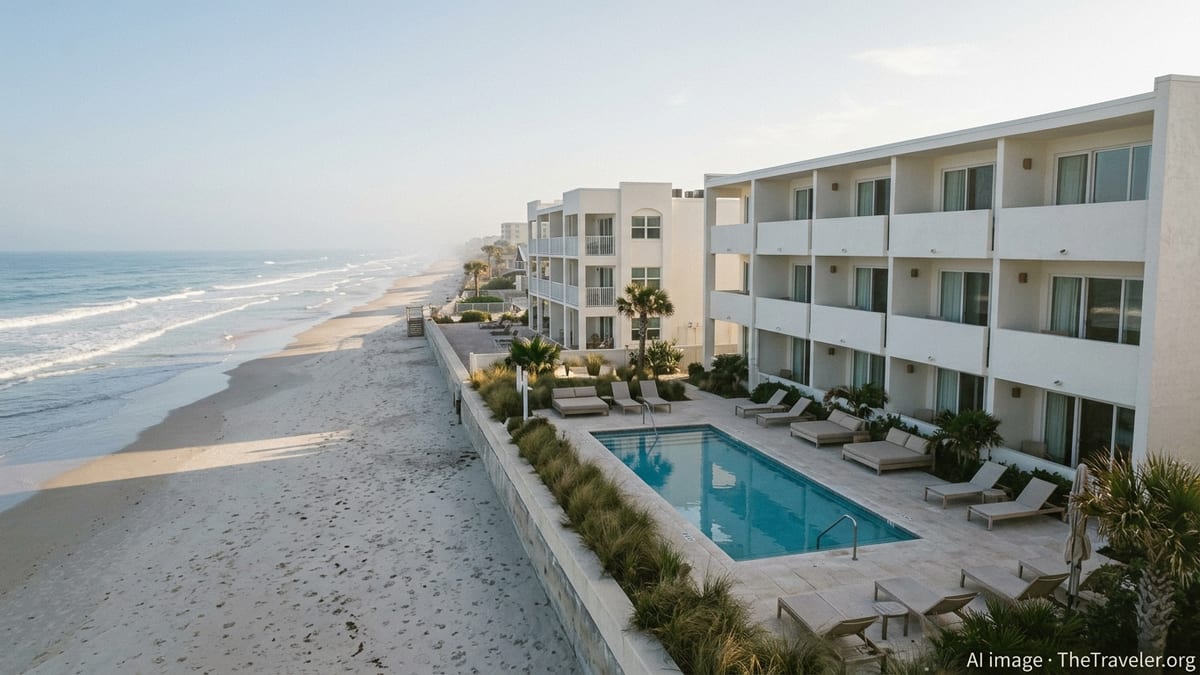
For families, the practical impact is a broader spectrum of price points and settings. Beachfront hotels continue to cater to traditional sun-and-sand vacations, while properties near the speedway and convention facilities appeal to those attending sports tournaments, cheer and dance championships, or motorsports events. With more rooms within a short drive of the ocean, organizers of youth competitions and family reunions have increased flexibility to secure blocks and package stays around specific attractions.
Events, Air Service and Statewide Trends Support Recovery
The wave of new experiences in Daytona Beach is unfolding against a backdrop of robust statewide tourism performance. Visit Florida’s recent reporting shows that the state set new visitor records in 2025, with more than 33 million trips in the fourth quarter alone and domestic travel volumes outpacing pre-pandemic benchmarks. Those trends are expected to carry into 2026, supported by continued interest in warm-weather, drive-to destinations and multigenerational family travel.
Daytona Beach and the wider Volusia County region are benefiting from that momentum through expanded air service and a packed events calendar. A 2026 State of the County overview notes that Daytona Beach International Airport has added flights and strengthened year-round connectivity, which in turn supports tourism spending and business travel. Meanwhile, recurring events such as spring college cheer and dance championships, motorsports race weeks and youth sports tournaments at facilities like the Ocean Center help fill hotel rooms during shoulder seasons.
Local government reports tracking the period from 2021 to 2026 describe a clear transition from pandemic-era recovery to sustained growth, citing hundreds of active or approved development projects and a strong tourism economy attracting millions of visitors annually. That pipeline suggests that the upgrades visible to travelers in 2026, from parks to hotels to entertainment districts, are likely to continue evolving in the years ahead.
Family-Friendly Programming Aims to Broaden Appeal
Alongside bricks-and-mortar investment, Daytona Beach organizations are experimenting with new programming tailored to families with children. City event calendars for summer 2026 list free outdoor movie nights, youth-focused festivals, markets and wellness activities taking place at venues such as the Riverfront Esplanade and beachfront parks. These low-cost gatherings are designed to create social activity after sunset, when many visitors are looking for alternatives to nightlife oriented toward adults.
Destination marketing materials also spotlight hands-on experiences, from art-making studios and mini golf to interactive museum exhibits and behind-the-scenes tours at motorsports facilities. Together, these options aim to reposition Daytona Beach as a destination where families can easily fill several days without repeating the same activities, an important factor as visitors compare it with other Florida beach communities and large theme park areas in Orlando.
As Florida works to maintain its status as one of the country’s top family travel destinations, Daytona Beach’s mix of fresh attractions, revitalized public spaces and expanded programming offers a case study in how established resort cities are updating their offerings. For travelers planning 2026 vacations, the changes promise a version of Daytona Beach that feels more flexible, more walkable and more attuned to the varied interests of today’s multigenerational groups.