


More news on this day
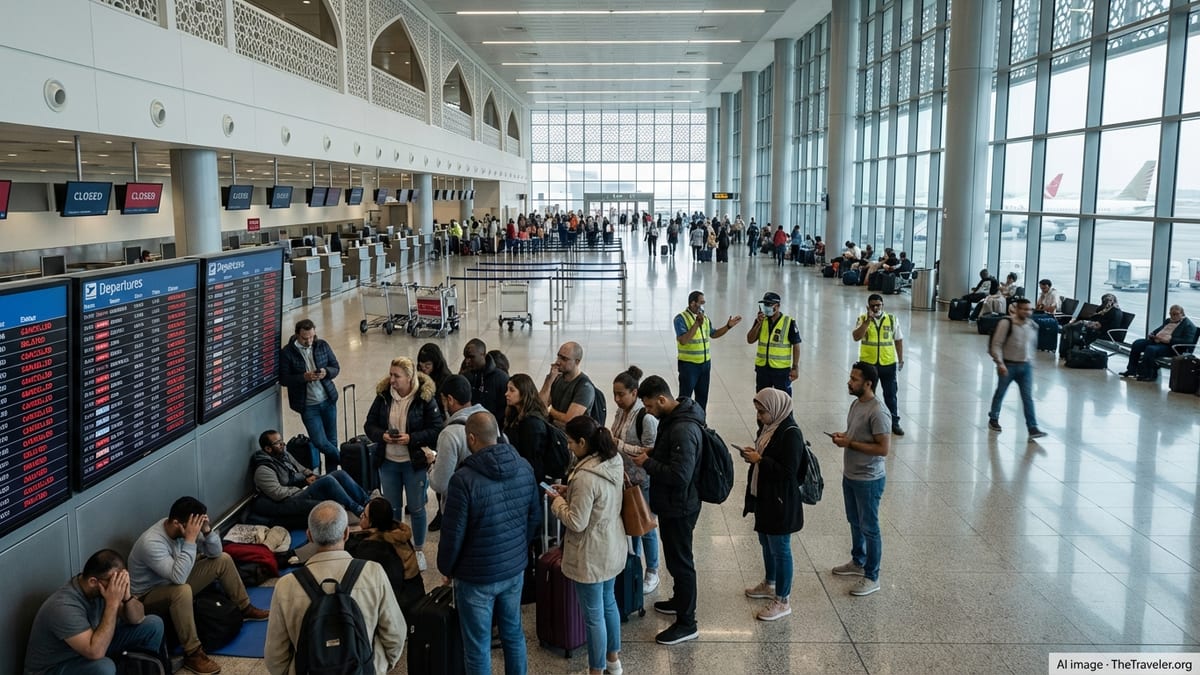
Passengers at Cent II Regional Airport encountered significant disruption as a sequence of schedule changes by United Airlines and Endeavor Air led to one delayed departure and two cancellations affecting connections to Chicago O’Hare, Atlanta and other major hubs across the United States.
Get the latest news straight to your inbox!
Chain Reaction Disrupts Key Hub Connections
Operational data and airport tracking information indicate that a routine day of regional flying at Cent II Regional Airport turned into a protracted disruption when a United-operated service and two Endeavor Air flights encountered schedule problems. One departure was pushed back substantially, while two others were cancelled outright, severing planned links to Chicago O’Hare and Atlanta at short notice.
The affected flights were part of the tightly timed regional network that funnels passengers from smaller communities into large hubs for onward travel. When even a single leg in that sequence fails to operate, public information shows that connections across multiple time zones can be lost, forcing passengers to rebook later in the day or even on subsequent dates.
According to publicly available flight-status boards, the disruption at Cent II coincided with already busy midweek traffic patterns across several United States hub airports. As a result, rebooking options into Chicago and Atlanta were limited, especially for travelers holding economy-class tickets or basic-fare itineraries with fewer protections.
Travel tracking platforms covering the incident show that aircraft and crew positioning also contributed to the knock-on effects. When a regional jet fails to depart a smaller airport on schedule, it is often unable to operate later segments, which can in turn reduce capacity from larger hubs just as peak departure banks begin.
Passengers Face Missed Connections and Overnight Stays
Publicly shared accounts from travelers and data compiled by consumer flight-tracking services suggest that the combination of one lengthy delay and two cancellations at Cent II Regional Airport left some passengers facing missed connections, particularly those bound for evening departures from Chicago O’Hare and Atlanta.
For travelers booked on international services from those hubs, the effect can be particularly significant. Industry observers note that if the final regional leg into a hub is cancelled or heavily delayed, passengers may have to wait until the following day for another long-haul option, increasing costs for food, lodging and ground transport around the airport.
Various airline policy summaries show that rebooking procedures depend on the cause of disruption, seat availability and the fare type originally purchased. In comparable events, some passengers are moved to later flights on the same carrier or its partners, while others are placed on standby lists when remaining inventory is tight.
Travel insurance guides and consumer advocacy materials also highlight that passengers who experience cancellations or severe delays at regional airports can face additional challenges finding nearby hotel rooms, particularly when disruption affects multiple carriers at once. In such cases, limited local accommodation and late operating hours for ground transport can intensify the impact of even a small number of cancelled flights.
Operational Strain Across Regional and Mainline Networks
Analyses from aviation scheduling experts indicate that regional operators such as Endeavor Air, which often fly under the banners of larger carriers, play a critical role in feeding traffic into hub airports including Chicago O’Hare and Atlanta. When multiple flights at a single spoke airport are affected, the consequences are felt not only locally but also across the broader network.
Publicly accessible schedule data show that Cent II Regional Airport is linked to several major hubs through a series of short-haul flights operated throughout the day. The disruption involving United and Endeavor services reduced that connectivity window, increasing pressure on remaining departures and making it harder for airlines to accommodate displaced travelers.
Industry commentary notes that regional carriers must balance aircraft utilization, crew duty-time limits and maintenance requirements. When delays push aircraft and crews beyond scheduled operating windows, airlines may cancel subsequent flights to remain within regulatory guidelines and safety protocols. These decisions can concentrate disruption into particular airports if equipment is out of position.
In addition, broader factors such as weather patterns along key corridors, congestion in hub airspace and temporary staffing constraints at airlines and air traffic control centers can interact with localized problems at airports like Cent II. Even when conditions at the regional airport appear normal, upstream restrictions in busier sectors may still trigger ground delays or flight cancellations.
Guidance for Affected and Future Travelers
Consumer travel resources emphasize that passengers departing from smaller regional airports can take several steps to reduce the risk of severe disruption when connections through hubs such as Chicago O’Hare and Atlanta are involved. Publicly available guidance commonly recommends allowing longer connection times, especially for itineraries with late-evening or international onward flights.
Experts also point to the value of monitoring flight status through airline apps and independent tracking tools on the day of travel, particularly when traveling from airports with limited daily frequencies. If an early sign of disruption appears, some passengers may be able to request rerouting before seats on alternative flights are fully allocated.
Travel planning materials further suggest that passengers consider the implications of different fare types and booking channels. Flexible or semi-flexible tickets generally offer more options in the event of cancellation or delay, while basic fares may limit rebooking choices. Bookings made directly with the operating carrier can, in some cases, simplify changes when travel plans are interrupted.
For those caught in sudden disruption such as the recent events at Cent II Regional Airport, consumer advocates recommend documenting expenses related to lodging, meals and transportation, and retaining all receipts. This documentation can support later claims through airline customer-care channels, travel insurance policies or credit card protections that may apply to significant delays and cancellations.
Broader Questions About Regional Reliability
While the irregular operations at Cent II Regional Airport affected a relatively small number of flights, scheduling analysts observe that similar events can raise broader questions about the resilience of regional air travel in the United States. As major carriers refine their networks, communities reliant on a handful of daily departures to key hubs may experience heightened vulnerability to disruption.
Publicly available transportation studies note that regional airports often serve business travelers, visiting friends and relatives, and leisure passengers who depend on reliable connections to the nation’s largest airports. When routine delays and cancellations accumulate, local confidence in air service can erode, potentially affecting broader economic activity tied to aviation access.
At the same time, industry reports indicate that airlines continue to adjust capacity, retire older regional jets and redeploy aircraft to higher-demand routes. These shifts can leave some spoke airports with fewer backup options during irregular operations, increasing the likelihood that a single cancelled or delayed flight will cascade through a day of travel, as seen in the recent disruption affecting traffic through Chicago O’Hare and Atlanta.
Observers suggest that future investments in scheduling technology, improved communication tools for passengers and more flexible staffing models could help mitigate the impact of similar incidents at Cent II Regional and other regional airports. However, as airlines balance cost pressures with service commitments, travelers may continue to encounter periodic disruption on the vital but often fragile regional links that connect smaller communities to the nation’s largest hubs.