


More news on this day
Travelers moving through Phoenix Sky Harbor International Airport on July 4 faced mounting frustration as a cluster of cancellations and more than 100 delays involving SkyWest, American Airlines, and United disrupted flights to Fresno, Fort Lauderdale, Los Angeles, Orlando, Toronto, and other key destinations.
Get the latest news straight to your inbox!
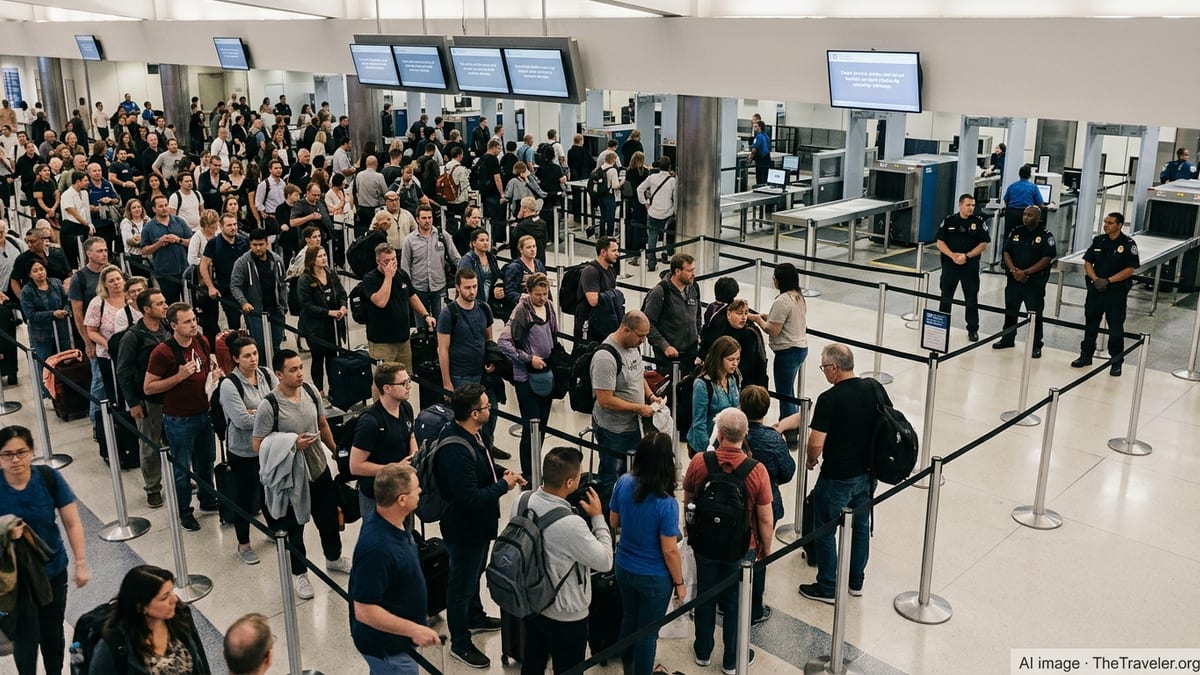
Cluster of Cancellations Triggers Daylong Disruption
Operational data and live tracking boards for Phoenix Sky Harbor on July 4 indicated at least seven flight cancellations tied to operations by SkyWest, American Airlines, and United, alongside a triple-digit tally of delayed departures and arrivals. The affected flights were concentrated on major domestic links and cross-border services, amplifying the impact on passengers beginning or connecting through the Arizona hub at the start of a busy holiday weekend.
The cancellations were primarily associated with regional operations flown by SkyWest under major-carrier brands and with select mainline departures by American and United. In several cases, regional jets scheduled to operate short and medium-haul routes never left the gate, forcing passengers to seek same-day alternatives or overnight accommodation as rebooking options quickly filled.
Publicly available airport status dashboards showed Phoenix maintaining a broadly functional operation overall, but with pockets of severe disruption around specific departure banks. These localized cancellations, when combined with rolling delays, created a ripple effect in gate usage, crew rotations, and aircraft availability across the afternoon and evening programming.
Although the number of flights fully canceled remained small relative to the airport’s total daily schedule, the concentration on high-demand routes, combined with near-capacity holiday loads, significantly reduced the ability of airlines to absorb disrupted travelers on later departures.
Major Routes to Fresno, Fort Lauderdale, Los Angeles, Orlando, and Toronto Affected
The disruption was particularly visible on several spoke routes that rely heavily on Phoenix as a connecting or originating point. Published schedules show American and its regional partners operating key links from Phoenix to Fresno, Fort Lauderdale, Los Angeles, and Orlando, while United and partner carriers serve heavily trafficked corridors into Los Angeles and onward international gateways. These same markets featured prominently among delayed or canceled services on July 4.
On the Phoenix to Fresno route, regional flying operated under the American Eagle banner plays a central role in linking California’s Central Valley to American’s network. Even a single cancellation on this pairing can strand a significant share of the day’s passengers, as the schedule typically offers only a limited number of daily frequencies and relies on smaller regional jets with fewer seats.
Eastbound leisure markets also saw knock-on effects. Fort Lauderdale and Orlando, both major Florida gateways, are connected from Phoenix via a mix of nonstops and one-stop itineraries on American and United, with some flights operated by SkyWest and other regional partners. When departures from Phoenix are delayed or canceled, onward connections in Florida often become misaligned, leaving travelers facing missed cruises, resort check-ins, or onward international services.
To the west and north, high-volume flights between Phoenix and Los Angeles, as well as cross-border services funneling travelers toward Toronto, experienced rolling delays when aircraft and crews arrived late from earlier segments. Even where flights eventually departed, extended boarding-hold times and schedule slippage translated into missed connections and changed plans at downline hubs.
Passenger Experience Strained by Long Waits and Limited Options
For travelers, the practical consequences of seven targeted cancellations and widespread delays included long lines at airline service counters, crowded gate areas, and heightened competition for standby seats on remaining departures. As aircraft filled close to capacity for the holiday period, the usual strategy of shifting affected passengers to the next available flight yielded diminishing returns over the course of the day.
Publicly available accounts and historical trends at Phoenix suggest that when irregular operations hit multiple major carriers at once, pressure builds not only on rebooking desks but also on airport services such as concessions, airport shuttles, and rental car centers. Extended waits for updated departure times and boarding announcements can keep travelers in the terminal far longer than planned, raising demand for food, seating, and charging outlets.
With a mix of regional and mainline aircraft in play, some passengers found themselves rebooked on different aircraft types or routings than originally planned, occasionally involving additional connections or overnight stays. For travelers heading to time-sensitive events, cruises, or international long-haul departures, the combination of cancellations and prolonged delays at Phoenix significantly narrowed their margin for making downline flights.
Travel advocacy groups frequently highlight that when disruptions cluster around peak periods, hotel availability near major airports tightens rapidly and same-day walk-up fares on competing airlines can become costly. The dynamics observed at Phoenix on July 4 appeared consistent with those broader patterns, leaving many affected passengers with limited, and sometimes expensive, options for salvaging travel plans.
Operational Pressures Behind the Delays
While the specific causes of each individual cancellation and delay varied, the pattern at Phoenix reflected several familiar operational pressures. Regional carriers such as SkyWest typically operate tight aircraft and crew rotations across multiple hubs, meaning that a single early delay on an inbound leg can cascade across several subsequent departures. When such rotations involve flights for multiple major airlines, the downstream impact can spread quickly across brands.
Industry data and recent performance metrics indicate that Phoenix Sky Harbor generally maintains strong on-time rates, but remains vulnerable to upstream weather issues, air traffic control programs, and congestion at other large hubs feeding into its schedule. Even if local conditions in Phoenix are favorable, disruptions elsewhere in the national airspace system can trigger late arrivals and equipment swaps that materialize as delays or cancellations for passengers departing the Arizona hub.
Mainline operators such as American and United also continue to balance fleet utilization, staffing, and maintenance windows during the busy summer period. When these variables collide with strong holiday demand, the available slack in the system becomes limited. That can make it more challenging to find spare aircraft or reserve crews to rescue vulnerable flights, particularly in the afternoon and evening when many planes and staff are already in use.
Publicly accessible flight-tracking platforms showed extended gate holds and shifting estimated departure times at Phoenix throughout July 4, a symptom of airlines attempting to juggle late-arriving aircraft, air traffic flow constraints, and crew duty-time limitations while still moving as many passengers as possible.
Guidance for Travelers Moving Through Phoenix
The events at Phoenix Sky Harbor on July 4 underscored the importance for travelers of monitoring flight status closely and building additional buffer time into itineraries that rely on critical connections. Airport and industry resources advise checking both the airline’s mobile application and independent flight-tracking services, particularly when traveling on days with heavy holiday demand or adverse weather elsewhere in the network.
For passengers on regional routes such as Phoenix to Fresno or on long-haul leisure pairings to destinations like Fort Lauderdale, Orlando, and Toronto, travel planners often recommend avoiding tight legal connections and considering earlier departures when same-day events are at stake. When irregular operations occur, those extra minutes or hours can determine whether a connection is still viable or whether an overnight stay becomes necessary.
Consumer groups also suggest that travelers familiarize themselves in advance with airline policies covering rebooking, meal vouchers, and overnight accommodation during disruptions. While the specific remedies vary by carrier and by cause of delay, having this information available on a mobile device can shorten decision times when long queues form at airport service counters.
As SkyWest, American Airlines, United, and other carriers work to stabilize operations following the July 4 disruption at Phoenix, travelers planning to pass through the airport in coming days are encouraged by publicly available advisories and historic performance data to remain flexible, keep documentation of additional expenses, and allow extra time where possible to navigate one of the country’s busiest desert hubs during peak travel season.