


More news on this day
Dozens of flights were disrupted over the weekend at Mexico City’s Lic. Benito Juárez and Santa Lucía airports, with publicly available data showing at least 55 delays and eight cancellations that rippled across domestic and international routes operated by Aeroméxico, Volaris, VivaAerobus, and other carriers.
Get the latest news straight to your inbox!
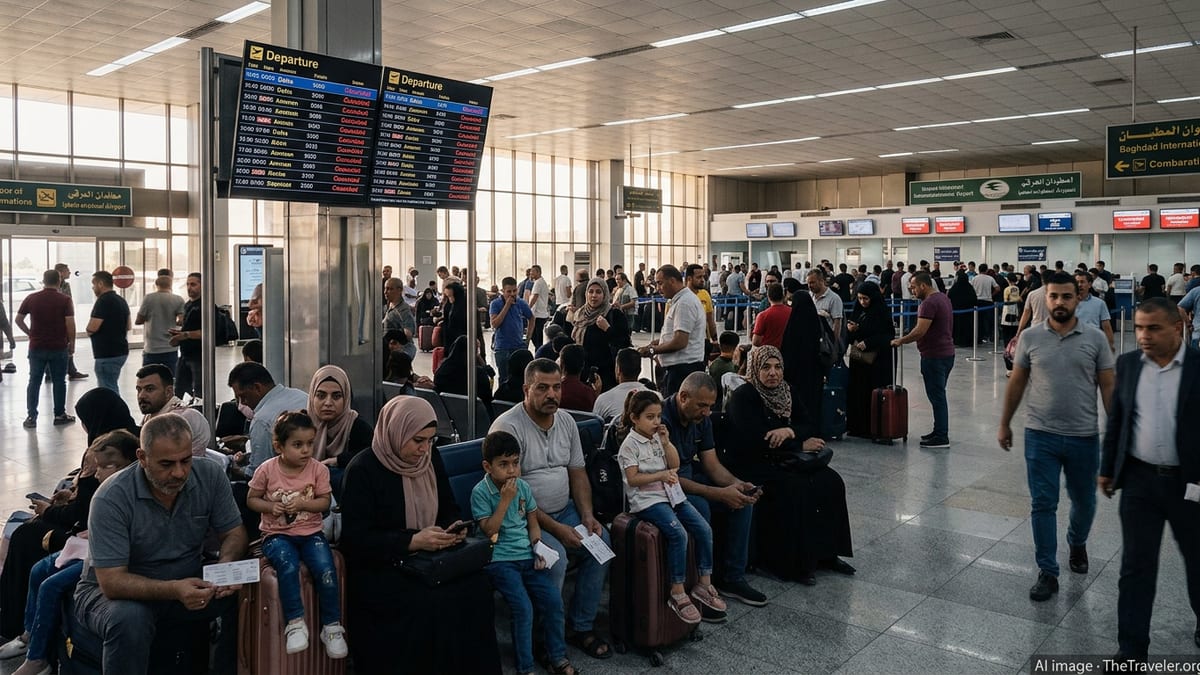
Widespread Disruptions Across Mexico City’s Two Main Gateways
The disruption unfolded between Saturday 23 May and Sunday 24 May, affecting both Mexico City’s Benito Juárez International Airport and the newer Felipe Ángeles International Airport at Santa Lucía. Tracking platforms and local media coverage point to a mounting tally of delayed and canceled services, with the majority of affected flights concentrated on heavily trafficked domestic corridors.
Reports indicate that at Benito Juárez International Airport, which remains the country’s busiest hub, dozens of departures and arrivals experienced extended waiting times as the weekend progressed. A snapshot published by local outlets around the evening of 23 May highlighted multiple late operations and a cluster of cancellations, signaling pressure on an already saturated airfield.
At Felipe Ángeles International Airport, north of the capital, travelers also reported schedule disruptions on a smaller scale. While the overall number of flights is significantly lower than at Benito Juárez, the combination of delays and adjustments there added to the perception of a difficult weekend for those flying in and out of the Mexico City metropolitan area.
The two‑airport system serves as the primary gateway for domestic travel within Mexico and a major connector for international routes. When operations become unstable at both locations, even modest numbers of delays and cancellations can quickly cascade through airline networks and passenger itineraries.
Key Domestic Routes to Leisure and Business Hubs Affected
Domestic services bore the brunt of the disruption, particularly on routes linking Mexico City with major leisure and business destinations such as Cancún, Guadalajara, Monterrey, and other large urban centers. Flight‑tracking data for the period show multiple services on trunk routes leaving later than scheduled, in some cases by more than an hour, and selected departures withdrawn entirely.
Routes to popular Caribbean beach destinations including Cancún were among those showing irregular operations, according to publicly accessible status boards and travel platforms. These corridors are especially sensitive at the start of the summer travel period, when aircraft typically operate at or near full capacity and rebooking options can be limited.
Services between Mexico City and Guadalajara, one of the country’s busiest domestic sectors, also reflected signs of strain. While many aircraft ultimately departed and arrived, a higher‑than‑usual share did so behind schedule, putting pressure on connections and evening schedules for both business and leisure travelers.
The network effects extended beyond point‑to‑point trips. Because Benito Juárez functions as a major hub, delays on routes to cities such as Monterrey, Tijuana, Mérida, and regional centers can disrupt onward itineraries throughout Mexico and into the United States, Central America, and South America, especially when aircraft and crews are tightly scheduled.
Major Mexican Carriers Confront Operational Strain
Aeroméxico, Volaris, and VivaAerobus were among the airlines most visibly affected, reflecting their dominant presence at Mexico City’s airports and their reliance on high‑frequency domestic operations. Publicly available timetables indicate that all three carriers operate dense schedules from Benito Juárez and, increasingly, from Felipe Ángeles, giving them limited flexibility when irregular operations emerge.
According to recent corporate filings and operational disclosures, airlines across Mexico have acknowledged that congestion, airspace constraints, and infrastructure limitations at key airports can heighten the risk of delays and cancellations when conditions deteriorate or when rotations are disrupted earlier in the day. These structural challenges appear to have intersected with the weekend’s high demand and tight schedules.
Low‑cost operators such as Volaris and VivaAerobus, which base much of their business model on quick aircraft turnarounds and high utilization, are particularly exposed when several flights in a row encounter delays. A single late inbound aircraft can ripple across multiple subsequent departures, limiting spare capacity to accommodate stranded customers.
For travelers in transit via Mexico City, the disruptions meant missed connections, overnight stays, and last‑minute changes, especially for those holding separate tickets or traveling during peak evening bank times when alternative options are scarce.
Passenger Experience: Long Lines, Gate Changes, and Uncertainty
Accounts shared on social media and travel forums over recent months illustrate ongoing frustration with how schedule changes are communicated at Mexico City’s airports. Posts referencing misaligned gate information, late gate assignments, and short‑notice changes provide context for how this weekend’s disruptions may have played out on the concourse level for many passengers.
Travelers frequently describe long lines at check‑in and security when several departures are delayed at the same time, amplifying the sense of uncertainty. When cancellations are added into the mix, customer service counters can quickly become overwhelmed, particularly for carriers with lean staffing or limited physical presence at secondary terminals.
At Benito Juárez, where terminal space and runway capacity have been under pressure for years, these strains are often magnified. Publicly available analyses of the airport’s operations note that it routinely operates near its declared capacity, a factor that limits the room for recovery when a bank of flights runs late or when external conditions disrupt the flow of arrivals and departures.
At Felipe Ángeles, the passenger experience is shaped by different factors, including the airport’s location north of the city and evolving ground transport links. Any period of irregular operations can be particularly challenging for travelers facing long surface journeys or tight connections with buses and regional flights.
What Travelers Should Know and How to Prepare
The weekend’s pattern of delays and cancellations underlines the importance for travelers to build extra time into itineraries involving Mexico City’s airports, especially when connecting to onward flights or cruises. Airline and travel advisories commonly recommend arriving several hours in advance of departure during busy periods and monitoring flight status closely on multiple channels.
Publicly available guidance from carriers and travel regulators generally encourages passengers to verify their flight details directly with airlines before leaving for the airport, to keep contact information up to date in booking profiles, and to be prepared for gate or schedule changes that may be posted with limited notice.
For those whose flights are significantly delayed or canceled, consumer‑rights information published by aviation authorities and airline contracts of carriage may outline potential eligibility for rebooking, vouchers, or other assistance, depending on the circumstances. Travelers are often advised to retain boarding passes, receipts, and documentation of delays when seeking remedies.
As summer demand builds and Mexico City continues to balance operations between Benito Juárez and Felipe Ángeles, observers expect that episodes of disruption may persist, particularly during peak travel weekends and holiday periods. For now, the latest wave of delays and cancellations is a reminder that even a relatively modest number of affected flights can significantly impact travelers when they occur at one of Latin America’s busiest aviation hubs.