


More news on this day
A Jet2 Airbus A321 carrying hundreds of holidaymakers from Tenerife to Birmingham was forced to divert to Porto in the early hours of May 22, 2026, after the captain became incapacitated during the flight.
Get the latest news straight to your inbox!
Early-hours diversion to northern Portugal
Publicly available flight data and media coverage indicate that Jet2 flight LS1266 was en route from Tenerife in Spain to Birmingham in the United Kingdom when it broke off its northerly track and headed for Porto’s Francisco Sá Carneiro Airport. The Airbus narrowbody, understood to be an A321 variant, had departed the Canary Islands with around 220 passengers on board.
The unscheduled landing took place at approximately 02:11 local time on Friday, May 22, according to reports referencing airport and emergency service records. The aircraft descended rapidly from cruise altitude to position for an expedited arrival on the Portuguese coast.
Portuguese and international outlets note that medical teams were on standby at the airport as the aircraft touched down. After landing, responders reportedly boarded the jet to attend to the captain, who had fallen ill while the flight was still at around 30,000 feet.
The aircraft involved has been described in multiple reports as part of Jet2’s Airbus A321 fleet, a high-capacity single-aisle type widely used on leisure routes between the United Kingdom and southern Europe.
Reports describe suspected heart attack on the flight deck
Coverage in British and European media characterizes the captain’s illness as a suspected heart attack suffered in flight. Accounts compiled from passenger testimony describe cabin lights flickering and flight attendants moving quickly through the aisle while requesting the assistance of anyone with medical training.
Several passengers quoted in those reports recall a noticeable and relatively steep descent as the airliner left its scheduled routing to head for Porto. Descriptions indicate that the first officer assumed full control of the aircraft while the captain received urgent attention, consistent with standard airline procedures when one pilot becomes incapacitated.
Travel and general news outlets state that the captain was treated on board immediately after landing before being transferred to a local hospital. At the time of writing, publicly available reports do not provide confirmed details about the captain’s current condition.
The incident unfolded on a busy leisure route catering largely to holidaymakers returning from the Canary Islands to the UK Midlands, heightening attention around the sudden inflight medical emergency and diversion.
Stranded passengers face long wait in Porto
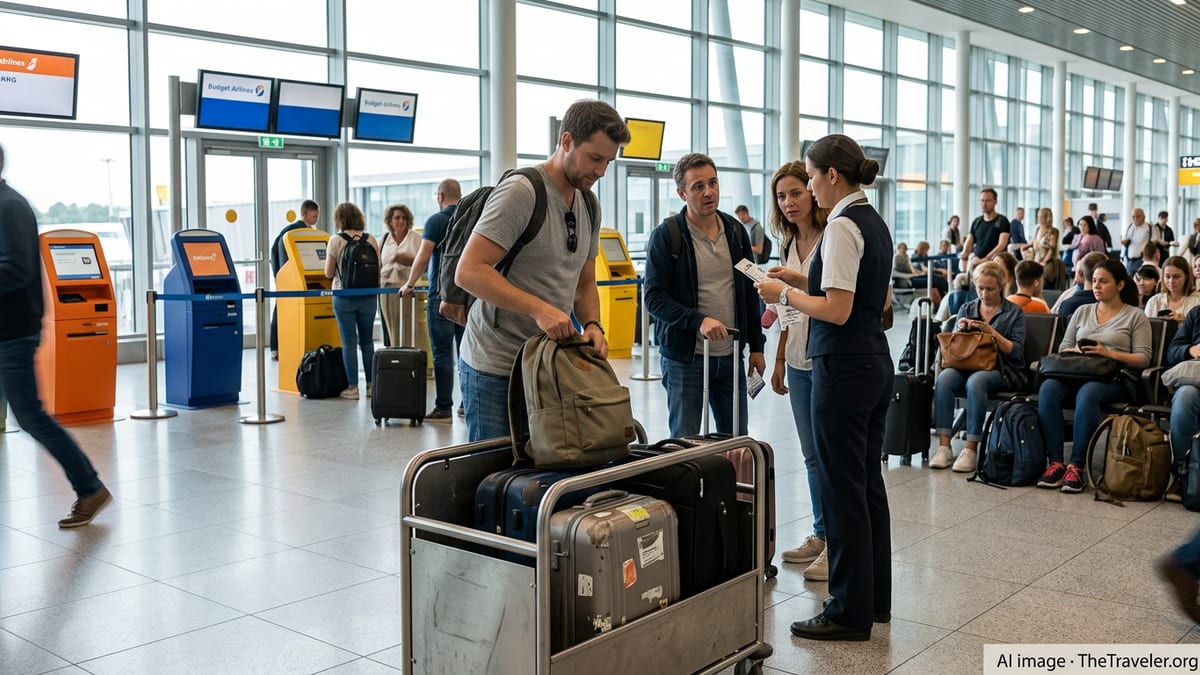
While the diversion brought the flight to a safe conclusion, passengers experienced significant disruption to their travel plans. Multiple accounts in Portuguese and UK media state that travellers remained on board the aircraft for a period after landing before being allowed into the terminal building.
Reports suggest that the group then faced a wait of around 13 hours at Porto Airport while Jet2 arranged onward travel. Several passengers described long stretches in the terminal without clear information about hotel rooms or rest facilities, with some suggesting that accommodation was difficult to secure at short notice.
Subsequent coverage indicates that Jet2 organized a replacement pilot, reportedly flown in from Manchester, to resume the journey to Birmingham later on May 22 or into May 23, depending on the outlet. The airline is reported to have expressed regret for the disruption and highlighted that the diversion was taken as a precaution in line with its safety procedures.
Despite the prolonged wait, publicly available information indicates that passengers eventually continued their trip to the United Kingdom on the same aircraft once the crew and operational requirements were re-established.
Focus on flight crew health and redundancy
The Jet2 event near Porto follows other recent cases in which flight crew incapacitation prompted diversions, including long-haul incidents reported in North America and Europe this month. Aviation safety specialists often point to such cases as reminders of the importance of medical fitness screening for pilots and robust in-flight contingency planning.
Commercial airliners operate with at least two qualified pilots, and training emphasizes the ability of one pilot to manage all critical phases of flight if the other becomes unable to perform their duties. In the Porto diversion, published accounts indicate that the first officer flew the aircraft throughout the emergency and landing while cabin crew coordinated the response in the passenger cabin.
European and international regulators maintain guidance on managing pilot incapacitation, covering everything from cockpit procedures and automation use to communication with air traffic control and the cabin. Although such incidents are statistically rare compared with the total number of daily flights, they remain a core scenario in airline simulator training.
Initial reporting on the Jet2 diversion suggests that these layered safeguards functioned as intended, with the aircraft landing safely, medical care provided quickly to the affected captain, and no injuries reported among passengers or other crew.
Operational impact for Jet2 and Porto Airport
The emergency arrival added an unexpected UK leisure service to Porto’s schedule in the early hours, but there have been no indications of significant knock-on disruption for other traffic at Francisco Sá Carneiro Airport. The landing occurred during a relatively quiet overnight period for commercial movements.
For Jet2, the event represents an operational challenge at the start of the busy summer season, as airlines work to keep schedules resilient amid high demand. Fleet and crew planners must account for aircraft out of position and duty-time limits when unplanned diversions occur, often requiring rapid sourcing of replacement pilots or altered rotations.
Travel industry observers note that diversions linked to medical issues, whether involving passengers or crew, are an accepted part of airline operations. While they can cause long delays and added costs, such decisions are generally viewed within the sector as evidence that safety considerations override punctuality and commercial pressures.
As of May 24, 2026, there have been no publicly reported regulatory findings regarding the Porto diversion, and the episode is widely being framed as a serious medical emergency managed within existing safety frameworks rather than as a technical or operational failure.