


More news on this day
Air travel across Canada is facing another day of turbulence today as 73 flights are reported cancelled and at least 237 delayed at major hubs including Montreal, Toronto, Ottawa, Vancouver, Halifax and Winnipeg, disrupting operations for Air Canada, Jazz, Porter, WestJet and several smaller carriers.
Get the latest news straight to your inbox!
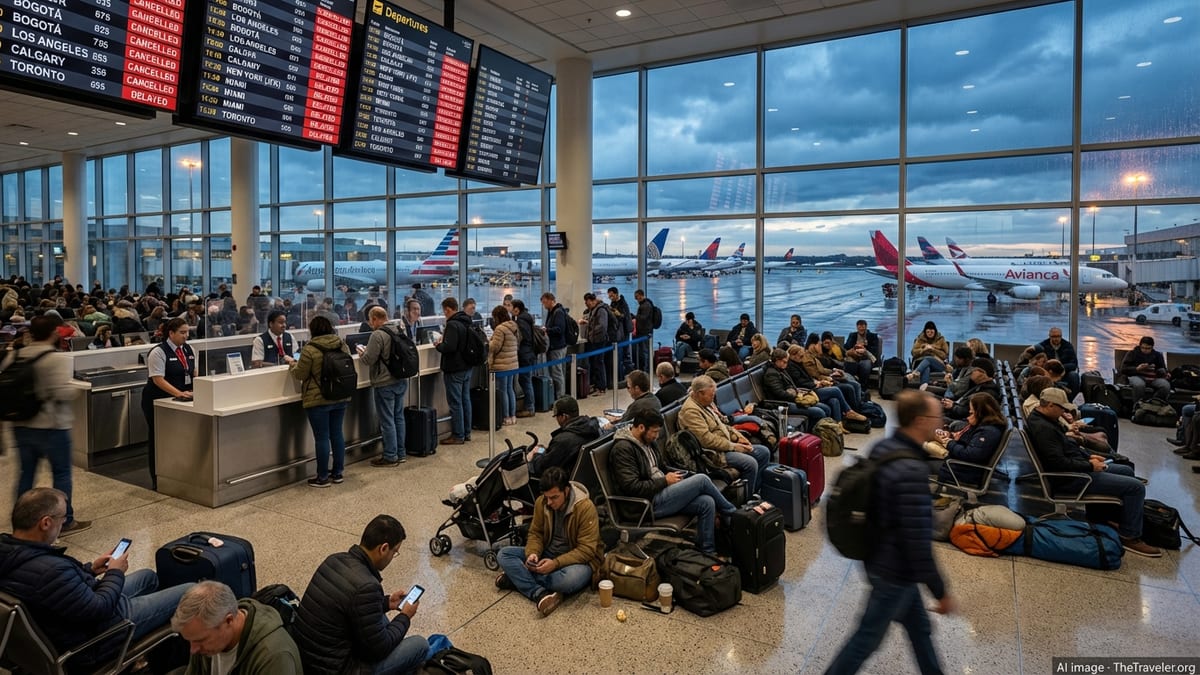
Major Canadian Hubs Log Dozens of Cancellations
Real-time tracking data for Sunday, May 24 indicates that Canada’s largest airports are again contending with widespread schedule disruptions, with cancellations and delays distributed across both domestic and transborder routes. Montreal–Trudeau, Toronto Pearson and Vancouver International appear to account for a significant share of the 73 cancellations, while Ottawa, Halifax and Winnipeg are also reporting scrubbed frequencies and rolling delays on key regional services.
Publicly available boards at several airports show a familiar pattern: clusters of morning departures removed from the schedule, followed by knock-on delays that build through the afternoon as aircraft and crews fall out of position. Flights linking Toronto, Montreal and Ottawa, as well as services connecting western cities with Vancouver and Winnipeg, are among those most affected, according to aggregated departure and arrival data.
Short-haul routes are particularly exposed when even a small number of early rotations are cancelled. Aviation analysts note that many of these services run on tight turnaround times, meaning any disruption can quickly cascade across multiple airports by mid-day.
Air Canada, WestJet, Porter and Jazz All Impacted
Operations for Canada’s dominant carriers are bearing the brunt of today’s disruption. Air Canada and its regional affiliate Jazz are seeing a mix of cancellations and delays on trunk routes linking Toronto and Montreal with Ottawa, Halifax and Winnipeg, while WestJet’s network is experiencing scattered schedule changes on connections through Vancouver and other western gateways. Porter Airlines, which has expanded rapidly into Toronto Pearson and western Canada, is also contending with delayed departures and arrivals at its growing list of destinations.
Recent travel-industry coverage has documented a pattern of strain at Air Canada in particular during the spring and early summer period, with multiple days of elevated cancellations and delays reported across the flag carrier’s mainline and regional operations. Those reports highlight how a relatively small number of scrubbed flights can trigger wider disruption once crews reach duty limits or aircraft miss maintenance windows, conditions that appear to be mirrored in today’s figures.
WestJet and Porter have faced their own pressures in recent months, including weather-related interruptions in the Prairies and Atlantic Canada and congested connection banks at major hubs. Today’s tally of 237 delayed flights suggests that even when most services operate, on-time performance remains fragile for passengers relying on tight connections or same-day returns.
Operational Strain and Weather Amplify a Persistent Pattern
While today’s disruption does not appear to be linked to a single dramatic weather event, the numbers are consistent with a broader pattern documented over the past year in Canadian aviation. Earlier in 2026, separate analyses by travel and data firms drew attention to how modest storms, staffing gaps or technical issues frequently translated into double- or triple-digit daily cancellations and delays across the country’s main hubs.
Reports examining prior disruption spikes point to several recurring factors: constrained spare capacity in aircraft and crews, aging infrastructure at some airports, and tightly scheduled networks that leave little room to recover when early flights are delayed. Winter and shoulder-season weather, particularly in Toronto, Montreal, Ottawa and the Atlantic provinces, has repeatedly compounded those stresses, with freezing rain or heavy snow forcing de-icing and temporary ground stops that reverberate nationwide.
Even as temperatures moderate heading into late May, lingering operational fragility means that smaller issues, such as localized storms or maintenance checks taking longer than expected, can still push a day’s operation into elevated disruption territory. Today’s combination of 73 cancellations and 237 delays underscores how quickly conditions can deteriorate when the system is already operating near its limits.
Travelers Confront Missed Connections and Rebooking Queues
For travelers moving through Montreal, Toronto, Ottawa, Vancouver, Halifax and Winnipeg, today’s statistics translate into missed connections, extended airport waits and last-minute itinerary changes. Passengers on domestic point-to-point services are encountering same-day rebookings and, in some cases, overnight stays when the final legs of their trips are cancelled late in the day.
Recent case studies from previous disruption days across Canada illustrate how passengers often face long lines at airport service desks, busy call centers and limited remaining inventory on alternative flights, particularly on popular weekend and evening departures. Similar conditions are likely at play today as carriers work to re-accommodate travelers while preserving aircraft positioning for upcoming rotations.
Consumer-rights organizations and travel advisors routinely encourage passengers affected by such disruptions to document actual departure and arrival times, keep receipts for meals and lodging, and review the terms of Canada’s air passenger protection regulations. Depending on the cause of a cancellation or long delay, some travelers may be entitled to refunds or compensation, although outcomes can vary widely based on whether issues are deemed within airline control.
What Today’s Numbers Signal for the Summer Travel Season
Today’s wave of flight cancellations and delays will likely reinforce concerns about how Canada’s aviation system will cope with peak summer demand. Traffic volumes are expected to climb through June and July as leisure travelers join a still-robust flow of business and visiting-friends-and-relatives itineraries, putting additional pressure on carriers and airports that have already experienced multiple flare-ups of disruption in 2026.
Industry observers note that recent clusters of operational problems at major Canadian hubs have often arrived in waves, with a single difficult day followed by several more of elevated delays as airlines work to reposition aircraft and crews. The current tally of 73 cancellations and 237 delays suggests that recovery operations may continue into the early part of the week, particularly on regional and transcontinental routes that depend on precise aircraft rotations.
For now, publicly available data shows that Canada’s largest airports remain open and operating, but with performance well below ideal levels. Travelers scheduled to fly later today or in the coming days are being urged by airlines, airports and travel intermediaries to monitor flight status closely, allow additional time at the airport and build flexibility into their plans in case today’s disruptions ripple forward.