


More news on this day
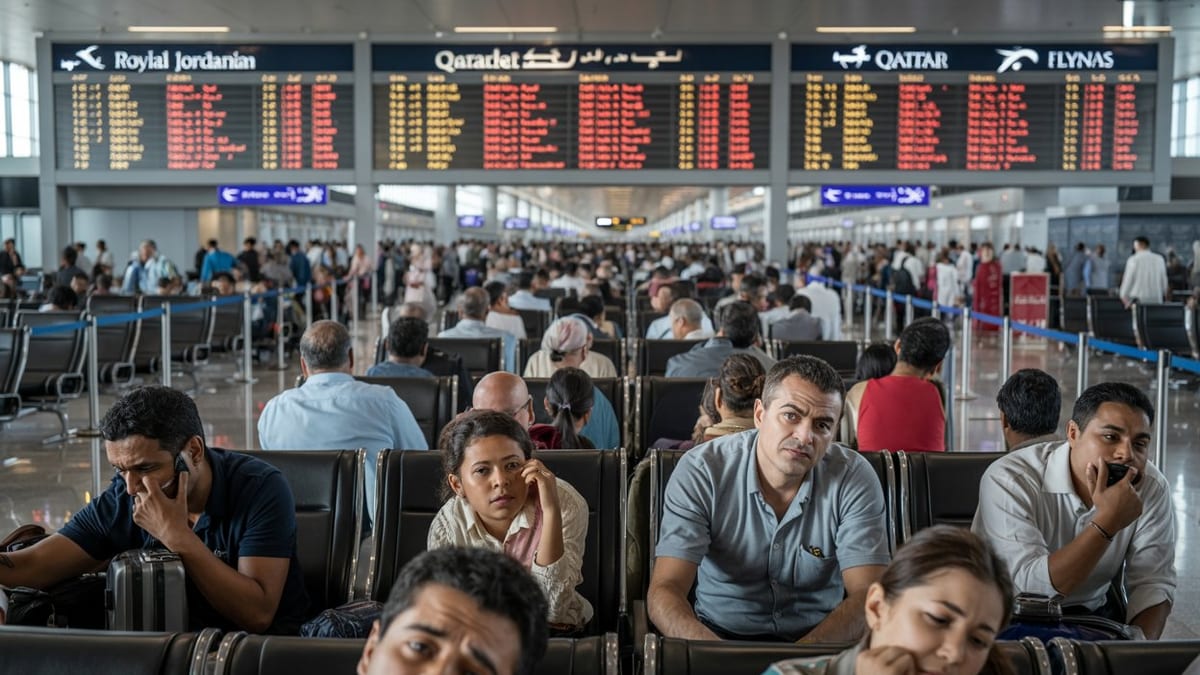
Travelers at Louis Armstrong New Orleans International Airport faced another difficult day on June 8 as publicly available boards showed four flight cancellations and 27 delays, disrupting connections to major U.S. hubs including Baltimore, Orlando and Chicago and straining operations at multiple carriers.
Get the latest news straight to your inbox!
Ripple Effects Across Domestic Hub Network
Real time flight information for June 8 indicated that disruptions at Louis Armstrong New Orleans International Airport were concentrated on domestic routes linking New Orleans with larger hub airports. Delays and cancellations affected services operated by Delta Air Lines, American Airlines, regional affiliate Envoy Air and low cost carrier Frontier Airlines, among others, creating a ripple effect for travelers attempting to connect through those hubs.
Published flight tracking data showed delayed departures and arrivals on routes that typically feed into major connecting points such as Chicago O Hare, Baltimore Washington and Orlando International. These airports handle substantial volumes of connecting passengers, so an initial delay out of New Orleans can cascade into missed onward flights and longer overall journey times for affected travelers.
Information from national airspace monitoring tools suggested that broader congestion and weather related constraints across the system were contributing factors. These system level pressures often translate into ground delays or airborne holding patterns that appear as late departures and arrivals in local airport statistics, including at New Orleans.
Historical statistics compiled by aviation data providers and the U.S. Department of Transportation show that Delta, American and Frontier all experience periodic disruption spikes tied to weather, air traffic control programs and operational challenges. On days like June 8, those broader patterns are reflected in the local experience of passengers attempting to reach or depart the New Orleans region.
Impact On Travelers Departing New Orleans
For departing passengers at Louis Armstrong New Orleans International, even a modest number of cancellations can significantly complicate travel plans. With four flights cancelled on June 8, seat availability on alternative departures became tighter, reducing options for same day rebooking, particularly for travelers heading to full hub flights in cities such as Baltimore, Orlando or Chicago.
For the 27 flights recorded as delayed, the degree of disruption varied widely. Some departures were pushed back by less than an hour, while others faced more substantial slippages that risked breaking carefully planned connection windows at onward hubs. Passengers traveling on regional connections operated by carriers such as Envoy Air are often more exposed to schedule changes because many of those routes operate only a few times per day.
Airport level statistics published by Louis Armstrong New Orleans International in recent months underline how sensitive local operations are to disruptions on a limited number of departure banks. While the airport handles hundreds of thousands of domestic passengers each month, many routes are served only a handful of times daily, so a single cancellation or severe delay can effectively remove that day s opportunity for some itineraries.
Travel forums and recent public commentary about the airport have also highlighted how staffing levels at check in and security, as well as the design of a central security checkpoint serving all airlines, can compound the stress of an already delayed departure. When large numbers of passengers arrive earlier than usual to hedge against potential disruption, queues lengthen and the perception of a system under strain grows.
Inbound Flights And Missed Connections
The effect of June 8 s disruptions was not limited to departures from New Orleans. Delayed inbound flights from hubs such as Charlotte, Dallas Fort Worth, Chicago and Atlanta contributed to knock on effects for aircraft and crews assigned to later departures from Louis Armstrong International. Publicly available flight tracker data for the day showed schedule pressure across several key inbound routes.
For passengers already en route to New Orleans, these inbound delays increased the risk of missed evening connections onward to cities like Baltimore or Orlando. Travelers relying on relatively tight turn times between flights often had to seek alternative routings, overnight accommodation or next day departures, particularly where final destinations were served by only one or two daily flights.
Aviation analysts note that airlines generally prioritize maintaining the integrity of their overall hub schedules, which can mean that certain spoke routes such as New Orleans experience disproportionate disruption when aircraft or crew are reallocated. On heavily traveled days, a late arriving aircraft from a hub may be turned quickly for another core hub route, while more marginal services are the ones that see longer delays or cancellations.
In the case of New Orleans, recent official airport statistics show a strong reliance on connections to a limited number of large hubs, including Chicago, Dallas Fort Worth and Orlando. This structure supports competitive fares and a wide range of one stop itineraries but also leaves the local market particularly exposed when operations at those hubs come under pressure.
Airline Performance And Passenger Rights Context
Federal on time performance data compiled for major U.S. carriers provides context for the June 8 disruptions. Delta and American typically record on time arrival rates that are close to or slightly above the industry average, while regional affiliates such as Envoy, and ultra low cost carriers including Frontier, tend to see somewhat higher percentages of delays and cancellations on some routes.
Recent guidance and consumer reports from aviation authorities emphasize that the causes of delays and cancellations fall into several broad categories, including air carrier issues such as maintenance or crew availability, extreme weather and national aviation system constraints such as air traffic control programs. The mix of factors on any given day can be difficult for passengers to parse, especially when they are only presented with a single generic status update at the gate.
A growing body of traveler oriented reporting has also focused on the importance of understanding passenger rights when flights are significantly delayed or cancelled. While U.S. regulations do not mandate compensation in most weather related cases, they do require prompt refunds when a flight is cancelled and the passenger chooses not to travel. Individual airline policies can go further, providing meal vouchers, hotel stays or rebooking assistance in circumstances within the carrier s control.
Consumer advocates recommend that travelers affected by events similar to those in New Orleans on June 8 retain documentation of delays, track communications from the airline and review both federal guidance and specific carrier commitments. This has become particularly relevant as airlines increasingly publish customer service dashboards outlining what they will provide in different disruption scenarios.
Preparing For Future Travel Through New Orleans
For those planning upcoming trips through Louis Armstrong New Orleans International, the pattern of delays and cancellations seen on June 8 serves as a reminder of how quickly operations can tighten on busy days. Travel experts often suggest booking earlier flights where possible, building in longer connection times at major hubs and avoiding the last departure of the day when schedules allow.
New Orleans travelers heading to major hubs such as Baltimore, Orlando or Chicago may also find it useful to monitor the performance of specific routes and carriers over time. Publicly available tools now allow passengers to review historical on time statistics by flight number and date, helping them choose options that have performed relatively reliably in recent months.
Airport planning documents and recent traffic statistics indicate that Louis Armstrong International continues to adapt its infrastructure and airline mix as passenger volumes recover and shift. At the same time, national data show that weather volatility and air traffic constraints remain persistent features of the U.S. aviation system, meaning that even well planned trips can encounter disruption.
For now, the experience of travelers caught up in June 8 s four cancellations and 27 delays underscores an enduring reality of modern air travel: at connecting airports across the country, a small cluster of off schedule flights in one city can reverberate across an entire day s worth of itineraries.