


More news on this day
Registration is now open for the International Cruise Summit 2026, a two day gathering scheduled for 10 and 11 November in Madrid that will convene cruise executives, port authorities, tourism boards and suppliers to debate the future of the global cruise industry.
Get the latest news straight to your inbox!
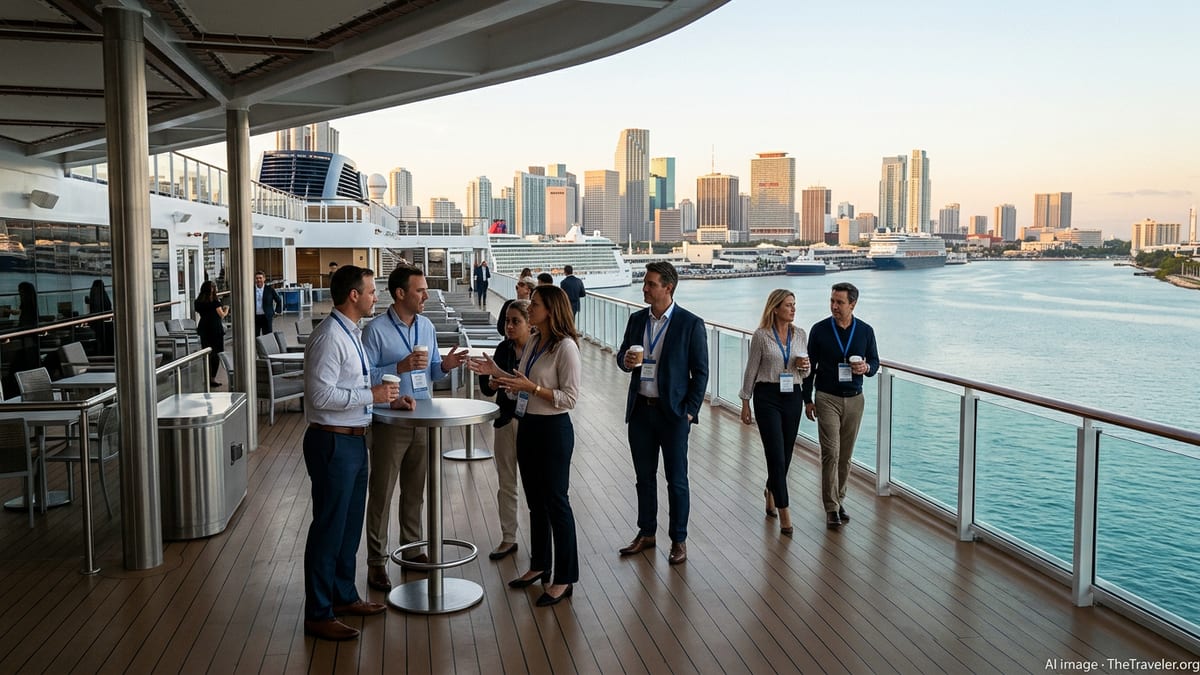
Madrid Prepares to Host Global Cruise Decision Makers
Publicly available information shows that the International Cruise Summit 2026 will once again position Madrid as a strategic meeting point for the worldwide cruise business, despite being a landlocked capital. Organisers present the summit as a forum where cruise line leaders, port operators, destination representatives and tourism organisations can review current market conditions and outlooks for 2027 and beyond.
The 2026 edition is scheduled for 10 and 11 November, a period when many cruise companies are finalising deployment plans and contracting for upcoming seasons. Industry coverage indicates that previous summits in Madrid have drawn senior executives from ocean and river cruise brands, along with technology providers and shore excursion specialists, underlining the event’s role as a planning hub for the sector.
Reports on the forthcoming programme suggest that the agenda will combine keynote sessions, thematic panels and networking formats designed to encourage practical business discussions. Delegates typically use the summit to explore new itineraries, negotiate port calls and assess infrastructure needs in emerging cruise destinations across Europe, the Mediterranean and further afield.
Key Themes: Pricing Pressures, Capacity Growth and Sustainability
The 2026 summit takes place against a backdrop of record cruise demand and historically high fares. Recent industry analysis notes that cruise prices for 2026 have risen sharply, driven by strong bookings, limited near term capacity growth and higher port and regulatory costs in several regions. These dynamics are expected to feature prominently in sessions on revenue management, deployment strategy and consumer trends.
Conference discussions are also likely to focus on ship order books and the balance between newbuild deliveries and port infrastructure. As major lines prepare to introduce larger and more efficient vessels, stakeholders are examining how ports can adapt to handle higher passenger volumes while maintaining service quality and regulatory compliance.
Sustainability will remain a central thread throughout the programme. Publicly available briefings from past editions highlight growing attention to alternative fuels, shore power connections and emissions reduction measures in port cities. For 2026, observers anticipate further scrutiny of how environmental regulations influence itinerary planning, investment in green technologies and collaboration with local communities in heavily visited destinations.
Destinations and Port Developers Step Into the Spotlight
The International Cruise Summit has become an important showcase for destinations seeking to attract or expand cruise business, and early signals suggest that 2026 will be no exception. Tourism boards, city marketing organisations and port authorities use the event to promote new terminals, redevelopment projects and tourism products tailored to cruise visitors.
Recent corporate updates show that companies specialising in cruise port development and hospitality are aligning with the summit as sponsors and participants, underlining the event’s role as a marketplace for infrastructure and service partnerships. Such involvement reflects wider investment trends, as destinations compete to secure a place on high profile itineraries while managing visitor flows and economic impact.
For emerging ports, the Madrid gathering offers an opportunity to present feasibility studies, environmental impact assessments and financing models to cruise lines and investors. Established hubs, meanwhile, focus on demonstrating operational resilience, guest satisfaction scores and innovations in terminal design, security and passenger experience.
Who Attends and What They Can Expect in 2026
Based on programmes from recent years, the summit is expected to attract a broad mix of attendees, including senior executives from cruise brands, itinerary planners, port and terminal managers, ground handlers, tour operators and technology providers. Travel agencies, destination management companies and hospitality groups with a stake in shore operations also feature prominently among delegates.
Participants typically gain access to plenary debates on macro trends alongside specialised sessions on topics such as onboard product development, digitalisation, customer experience and workforce challenges. In addition to formal panels, the event schedule usually prioritises structured networking, allowing one to one meetings, buyer supplier exchanges and informal contacts over hosted functions.
For newcomers to the cruise sector, the summit offers an intensive introduction to the ecosystem that links ships, ports and destinations. Regular attendees, by contrast, often use Madrid as a fixed point in the calendar to review partnerships, compare performance indicators across regions and identify strategic adjustments ahead of the next booking cycle.
Registration Opens With Focus on Early Planning
With registration now open, organisers are encouraging early sign ups from both returning delegates and new entrants to the cruise market. Industry commentary suggests that securing a place in advance is increasingly important, given the heightened interest from destinations, port investors and related tourism businesses seeking direct access to cruise decision makers.
Prospective participants can typically select from delegate packages that include access to conference sessions, networking functions and business to business meeting platforms. Some stakeholders also coordinate side events in Madrid around the summit dates, ranging from client briefings to product launches, further extending the business value of attendance.
The 2026 International Cruise Summit will unfold at a time when cruise companies face strong demand, regulatory change and rising expectations from travellers and host communities. By gathering diverse voices in one venue in November, the Madrid meeting aims to provide a structured setting for the sector to share data, test ideas and refine strategies for the seasons ahead.