


More news on this day
Passengers on an Air India Express flight from Delhi to Patna on 26 May faced extended delays after the aircraft encountered a reported technical snag, highlighting once again the operational pressures on India’s fast-growing domestic aviation sector.
Get the latest news straight to your inbox!
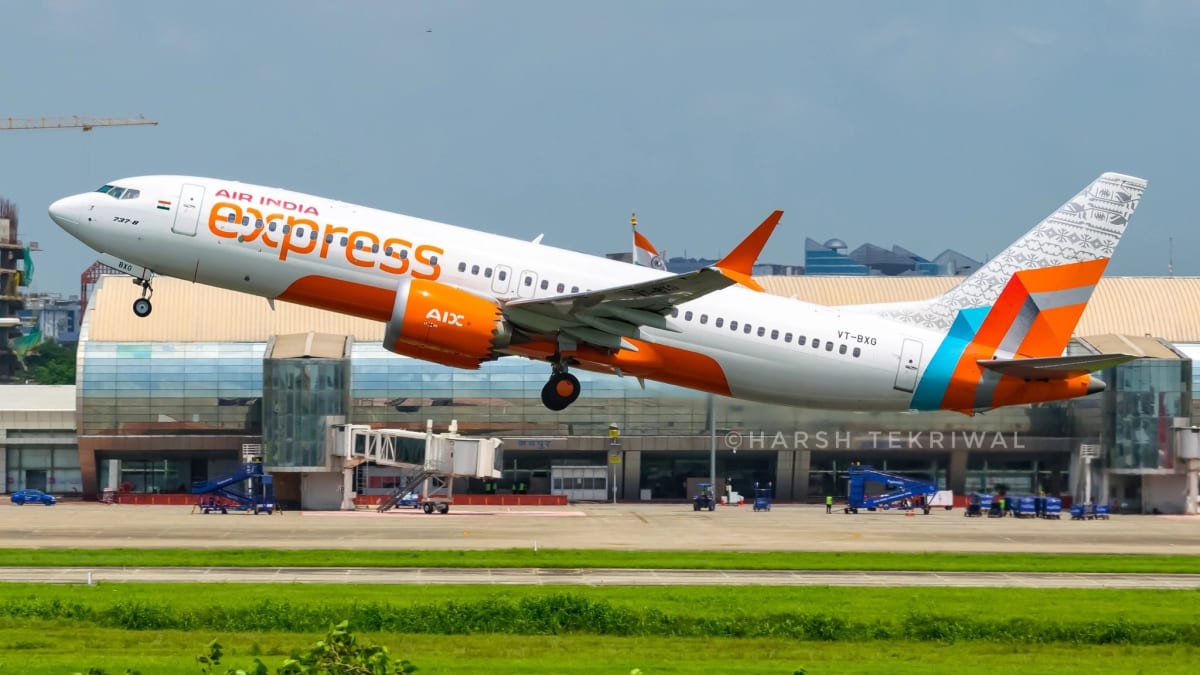
Delhi–Patna service faces multi-hour disruption
Flight tracking data for Air India Express service IX 1510 on the Delhi–Patna route for 26 May shows a delay of more than two and a half hours against its scheduled mid-morning departure from Indira Gandhi International Airport. Publicly available information lists the flight as a short domestic sector of around one and a half hours, but the technical issue pushed back both take-off and the estimated arrival time in Patna.
The service, typically operated with a narrow-body Airbus A320neo aircraft, was due to depart around 11:15 from Delhi and arrive in Patna at approximately 12:48. Tracking platforms instead reflected a revised schedule around 12:55 from Delhi and an arrival after 15:30, indicating a disruption of close to three hours for travelers on the route.
Reports indicate that the delay was attributed to a technical snag affecting the aircraft assigned to the sector. Details of the exact nature of the issue had not been specified in publicly accessible updates by the time of writing, but the problem was significant enough to hold the aircraft on the ground until maintenance checks were completed and a revised departure time was issued.
While domestic delays of under three hours are not unusual during peak periods, the incident stood out for affecting a trunk route into Patna at the start of the busy pre-monsoon travel window, when flights are often fully booked and re-accommodation options are limited.
Technical issues add to Air India Express scrutiny
The Delhi–Patna delay comes against a backdrop of heightened attention on Air India Express operations following a series of technical and operational disruptions across its network over recent months. Published coverage has highlighted instances of flights returning to origin airports or making precautionary landings because of technical issues, contributing to a perception among some travelers that reliability is under pressure.
One widely reported case in September 2025 involved a New Delhi–Indore Air India Express flight diverting for an emergency landing after a suspected engine-related snag, with all 161 passengers deplaned safely following priority handling at Indore. Other incidents documented in public reports include Air India Express services returning midway on domestic and international routes after crews detected anomalies and sought maintenance inspections.
In addition to specific technical snags, passenger accounts shared on online forums in recent months describe extended delays, rolling rescheduling and overnight disruptions on various Air India Express sectors, including services touching Delhi, Goa and other metro and leisure destinations. While such testimony is anecdotal, it underscores growing public sensitivity to delays at a time when demand for air travel in India continues to rise sharply.
Air India Express, now positioned as the low-cost arm within the broader Air India group, has been rapidly expanding its domestic and regional footprint from hubs including Delhi, Bengaluru and Mumbai. Industry observers note that such rapid growth can put added strain on fleets, engineering resources and airport infrastructure if not matched with corresponding investments in maintenance capacity and contingency planning.
Impact on passengers and onward travel
For travelers booked on the delayed Delhi–Patna rotation, the technical snag translated into missed ground connections, disrupted plans and longer-than-expected stays inside the terminal. Patna’s Jay Prakash Narayan Airport is a key gateway for business travelers, migrant workers and families connecting onward by road and rail into Bihar and neighboring states, making punctuality on flights into the city particularly important.
When a short-haul domestic service of around 90 minutes is pushed back by more than two hours, passengers often face added costs for rescheduled taxis, hotel check-ins or long-distance train connections. Publicly available passenger accounts from recent Air India Express delays on other routes mention extended waits at boarding gates, uncertainty over revised timings and challenges obtaining timely updates, amplifying frustration during what begins as a routine journey.
For travelers on point-to-point routes such as Delhi–Patna, compensation frameworks under India’s civil aviation regulations provide some protections when delays are attributable to the airline, though eligibility can depend on the length of disruption and whether the cause is classified as within the carrier’s control. In practice, passengers frequently rely on ground staff for rebooking support, meal vouchers or alternative arrangements, with the consistency of such assistance varying by airport and load conditions.
Observers note that repeated delays, even when resolved safely, can erode confidence among frequent flyers, especially on routes where rival carriers operate multiple daily services. On the Delhi–Patna corridor, several airlines compete on schedule and price, and operational reliability has become a key differentiator for time-sensitive travelers.
Broader context of delays at Delhi and regional airports
The Delhi–Patna incident is also part of a wider pattern of disruptions linked to both airline-level technical issues and broader operational challenges at India’s busiest airports. Recent months have seen reports of significant delays in and out of Delhi due to technical glitches in air traffic management systems, adverse winter weather, visibility-related suspensions and congestion during holiday peaks.
Published coverage indicates that episodes ranging from GPS interference and technical faults in messaging systems to equipment snags on individual aircraft have collectively contributed to elevated delay rates on some days, affecting full-service and low-cost carriers alike. When such issues collide with limited spare aircraft, tight turnaround schedules and capacity constraints at key airports, even a single technical snag on an individual flight can ripple through the network for hours.
Patna, while much smaller than Delhi, also struggles with capacity, runway limitations and congestion during festival periods, factors that can amplify the impact of late-arriving aircraft. Airlines operating into the city, including Air India Express, have in the past announced seasonal capacity additions around festivals, which further raise the stakes for punctual operations.
Aviation industry analysts point out that as Indian carriers expand aggressively to capture domestic demand, they must balance growth targets with investments in maintenance, spare aircraft and crew reserves to cushion the impact of unforeseen technical issues. The Delhi–Patna Air India Express delay adds one more data point to ongoing discussions about how the sector can improve resilience while maintaining safety as the overriding priority.