


More news on this day
Germany’s North Sea and Baltic Sea coastlines are recording a fresh surge in demand for the 2026 holiday season, as ongoing flight disruptions and geopolitical tensions across key Middle East air corridors push many travellers back toward what they perceive as safer, more predictable breaks closer to home.
Get the latest news straight to your inbox!
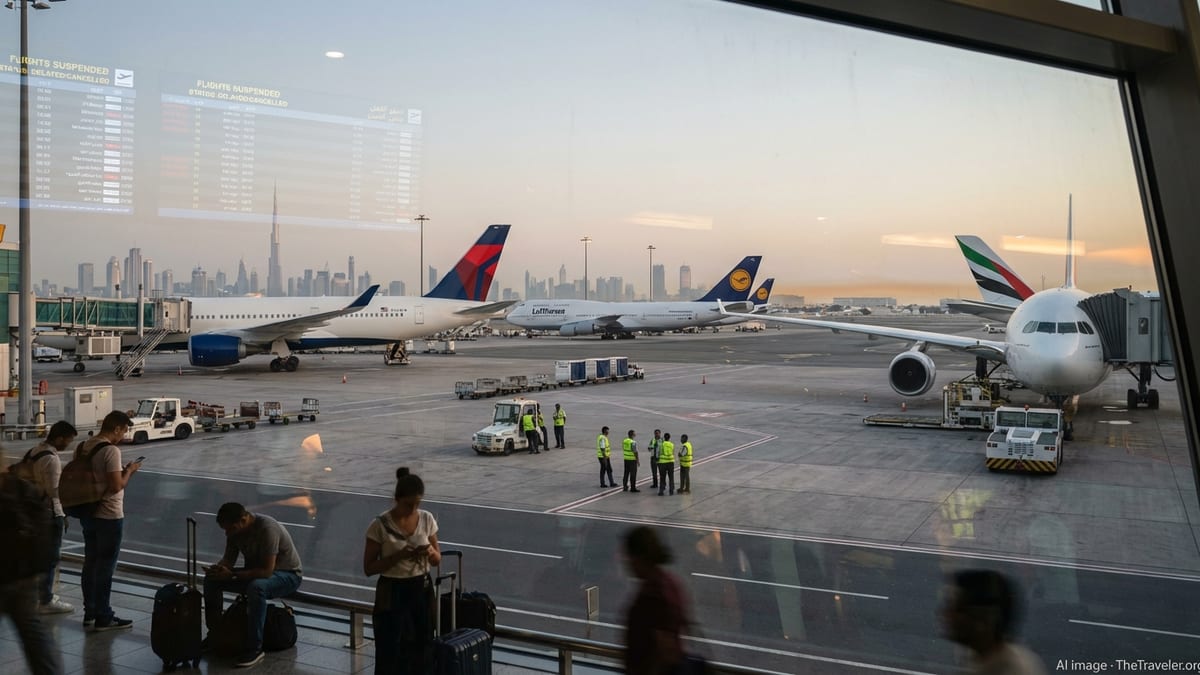
Middle East Airspace Turmoil Rewrites Summer Plans
Since late February 2026, airspace closures and rolling schedule changes affecting hubs in the Gulf and wider Middle East have disrupted major routes linking Europe with Asia, Africa and Australia. Published coverage describes temporary shutdowns at busy transit airports and large numbers of cancellations and diversions, turning once-routine connections via regional hubs into lengthy, uncertain journeys.
Guidance from European transport bodies highlights the scale of the upheaval, noting extensive rerouting, delays and passenger claims under EU air passenger rights as airlines adjust to restricted airspace and altered flight paths. For many leisure travellers planning long haul trips or multi-stop itineraries, the combination of operational uncertainty, longer flying times and higher fares is prompting a fundamental rethink of where and how to holiday in 2026.
Commentary from travel analysts indicates that some of this displaced demand is being absorbed by alternative long haul options in the Americas and parts of Asia that can be reached without transiting the affected region. Yet domestic and short haul markets inside Europe are also benefitting, with Germany emerging as one of the clearest examples of how global aviation turmoil can accelerate an existing shift toward nearer, more resilient destinations.
Record Domestic Tourism Sets the Stage in Germany
Germany entered 2026 with its tourism sector already on a strong footing. Official statistics for 2024 show that guest overnight stays in the country reached a new record high, surpassing pre pandemic volumes and underlining the strength of the domestic market. Industry reports describe nearly 500 million overnight stays nationwide in 2024, with residents of Germany accounting for the clear majority.
Research from tourism institutes and business groups suggests that many German travellers have steadily rebalanced their habits toward domestic and nearby European destinations in recent years, driven by cost pressures, climate concerns and a desire for shorter, more flexible trips. Surveys of holiday intentions for 2025 and 2026 show beach and nature destinations within Germany ranking alongside or above traditional Mediterranean hotspots for many households.
Within this context, the latest round of Middle East related flight disruption is acting less as a sudden shock and more as an accelerator. With some long haul routes subject to last minute changes and extended journey times, travellers who were already considering staying closer to home are now committing more firmly to domestic seaside resorts, particularly those offering reliable rail and road access from Germany’s major metropolitan regions.
North Sea Resorts Ride a New Wave of Demand
On the North Sea, long established destinations such as Cuxhaven and the islands of Lower Saxony and Schleswig Holstein are reporting strong booking trends heading into the main 2026 season. Local tourism statistics from recent years show a clear upward trajectory, with Cuxhaven, for example, recording notable increases in guest arrivals and overnight stays in 2024 as it consolidated its status as a leading German seaside resort.
Regional tourism organizations along the North Sea coast point to several factors behind the current upswing. Proximity to major population centers such as Hamburg, Bremen and the Ruhr area, coupled with extensive motorway and rail links, makes the region an attractive option for travellers wary of complex flight itineraries. Additionally, a focus on walking, cycling, mudflat excursions and relatively low rise coastal development resonates with visitors seeking open space and a calmer atmosphere.
Accommodation providers in key North Sea towns report that peak summer weeks are filling earlier than in previous years, with particular pressure on family apartments and higher end holiday homes. Industry commentators note that the pattern mirrors booking spikes seen during earlier phases of global travel disruption, when travellers pivoted suddenly from overseas trips to domestic coastal stays, but suggest that this time the shift appears more likely to persist across multiple seasons.
Baltic Sea Hotspots Mark New Highs
Along the Baltic Sea, a series of resorts in Schleswig Holstein and Mecklenburg Western Pomerania are also benefitting from the reorientation of holiday plans. Municipal tourism data from 2024 shows record or near record visitor numbers in several prominent Baltic destinations, with Timmendorfer Strand and neighbouring Niendorf cited as examples of seaside towns that have combined strong occupancy figures with high guest satisfaction scores.
Further east, classic Baltic islands and peninsulas such as Rügen, Usedom and Fischland Darß Zingst continue to attract both repeat visitors and newcomers who once favored Mediterranean or long haul beach trips. Publicly available analyses of guest surveys indicate that many travellers value the combination of relatively mild summer temperatures, extensive sandy beaches, and the option to arrive by car or train without crossing borders by air.
Tourism development plans in major Baltic gateways, including the Hanseatic city of Lübeck, emphasize a strategy of prioritizing quality over pure volume. Local planning documents highlight investments in sustainable infrastructure, heritage preservation and year round cultural offerings, all of which aim to spread visitor flows more evenly and cushion the impact of sudden demand spikes triggered by external shocks to global aviation.
From Crisis Reaction to Lasting Coastal Repositioning
Industry observers caution that the full impact of the Middle East flight crisis on German coastal tourism will only become clear after the 2026 peak season. However, early booking indicators, combined with the structural strength of domestic travel, suggest that the North Sea and Baltic regions are positioned to capture a significant share of reallocated holiday spending.
Travel agencies and booking platforms report that customers who have rebooked from disrupted long haul itineraries often choose German or nearby European beach destinations rather than seeking alternative multi stop routes through unaffected hubs. This behavior reflects a broader appetite for simplicity and perceived safety at a time when geopolitical tensions and operational disruptions can alter flight plans with little warning.
For communities along Germany’s coasts, the challenge now is to manage this wave of demand while maintaining the environmental and social balance that underpins their long term appeal. Tourism strategies published at state and municipal level stress the importance of investing in public transport, coastal protection and resident friendly tourism management so that today’s boom does not undermine the very qualities that have drawn travellers back to the North Sea and Baltic shores.