


More news on this day
A Delta Air Lines pilot has drawn widespread praise after stepping in to help ground crews during a delay on a recent flight, a modest act that reportedly transformed passenger frustration into applause and culminated in a standing ovation once the aircraft was ready to depart.
Get the latest news straight to your inbox!
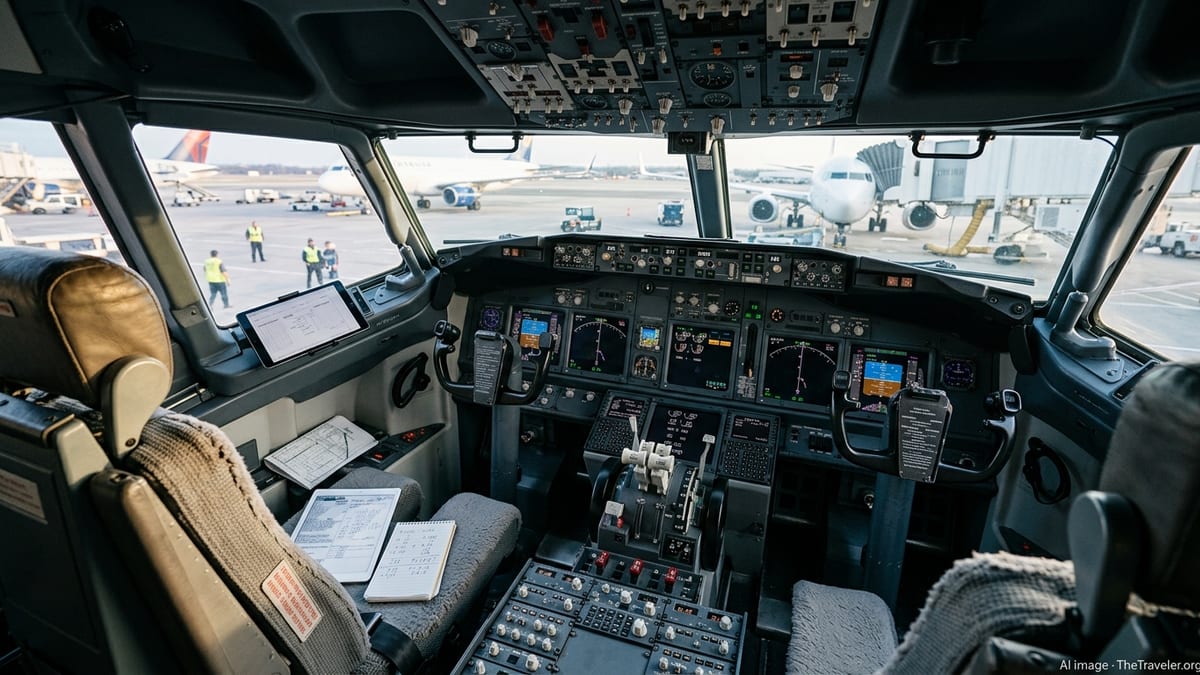
A modest gesture on a tense travel day
According to multiple online accounts and aviation blogs, the incident unfolded on a Delta flight departing from Atlanta after a delay linked to staffing and turnaround constraints on the ramp. With bags still waiting to be loaded and passengers growing restless, the captain left the flight deck, went down to the tarmac and began helping load luggage alongside ground handlers.
Witness descriptions indicate the unusual sight of a uniformed captain moving suitcases onto the belt loader quickly spread among travelers already seated on board. For customers accustomed to watching ramp crews work from their windows, seeing the pilot take part in the physical loading process was a striking departure from routine airline operations.
Reports describe the mood in the cabin shifting as word circulated about what was happening outside. Instead of the resigned silence that often accompanies delays, passengers reportedly began to comment to one another about the pilot’s involvement and to pull out phones to capture the moment through the windows.
Once the final bags were loaded, the captain returned to the cockpit. As the intercom announcement confirmed the aircraft was closing up and preparing for departure, travelers in the cabin broke into sustained applause, with several accounts describing it as a near standing ovation in recognition of the effort to keep the flight moving.
Behind the scenes of delay recovery
While the captain’s decision stood out for passengers, industry observers note that it unfolded against the familiar backdrop of a busy hub balancing tight schedules and staffing challenges. Publicly available information from Delta highlights how flight crews, airport staff and maintenance teams work in concert to recover from disruptions and avoid compounding delays across the network.
On congested days, a late-arriving aircraft or short-handed ramp crew can quickly translate into missed departure slots and cascading hold-ups for connecting flights. Analysts point out that even a few minutes saved during boarding, fueling or baggage loading can determine whether a flight pushes back in time to fit into air traffic flow programs, or must wait for a new clearance window.
In that context, the captain’s choice to assist on the ramp is being framed by commentators as a practical, not symbolic, decision. By helping to move bags, the pilot appears to have been trying to shave precious minutes from the turnaround, improving the odds of departing within the allotted slot and sparing passengers the prospect of an even longer delay or missed connections downline.
Travel forums and aviation-focused sites have used the episode to illustrate how, during irregular operations, individual actions by front-line employees can make a meaningful difference in whether a delay worsens or stabilizes, even when broader structural issues such as staffing levels or air traffic congestion remain beyond their control.
Passenger reaction underscores expectations in the delay era
The standing ovation reported on board reflects how strongly passengers now respond to visible efforts by airline staff to mitigate disruptions. After several years of high-profile operational challenges across the industry, travelers have become more vocal in their expectations for transparency, empathy and shared inconvenience when flights are held up.
Commentary in travel communities suggests customers saw the captain’s behavior as a concrete expression of solidarity with those waiting in the cabin. Instead of remaining out of sight while the delay played out, the pilot was perceived as sharing in the work and the pressure to get the aircraft back on schedule.
Observers also note that the incident stands in contrast to viral clips in which delays lead to confrontations at airport gates or on board, sometimes triggered by a perception that passengers are left in the dark about causes and timelines. In this case, the visible presence of the captain on the ramp, followed by progress toward departure, appears to have channeled tension into appreciation.
The enthusiastic response has prompted discussion online about how small, human-scale gestures can reshape the overall narrative of a disrupted trip, turning what might have been another complaint-filled delay into a story many passengers said they were eager to share later.
Aviation culture and the role of the modern pilot
Industry commentators say the episode also highlights how the role of airline pilots is evolving in the public eye. While the core responsibilities of flight safety and aircraft operation remain unchanged, passengers increasingly evaluate their experience through interpersonal moments, from detailed delay briefings to gestures that demonstrate shared accountability.
Across a range of carriers, examples of pilots greeting passengers in the gate area, walking through the cabin to answer questions during extended holds, or visibly coordinating with ground teams during irregular operations have attracted positive attention on social media in recent years. These highly visible moments help humanize a role that has traditionally been viewed as distant from the day-to-day frustrations of air travel.
Aviation analysts caution that pilots stepping into ground roles is not a scalable solution for systemic staffing constraints or infrastructure bottlenecks. However, they add that the Atlanta captain’s actions underline how front-line initiative and cross-team collaboration can support an airline’s broader customer service commitments, especially when schedules are strained.
For passengers on that delayed Delta flight, the image that appears to have resonated most was simple: a captain in full uniform lifting suitcases on the ramp to help his flight depart as soon as safely possible. The sustained applause in the cabin suggested that, at least for one disrupted departure, that modest act was enough to transform a delay into a moment of shared goodwill.