


More news on this day
Delta Air Lines is accelerating an ambitious inflight technology overhaul that is reshaping the long haul travel experience, pairing fast, free Wi Fi and a new Delta Sync ecosystem with upgraded seatback screens in a push that industry observers say could stimulate tourism to key global destinations.
Get the latest news straight to your inbox!
From Free Wi Fi to a Connected Global Fleet
Delta’s latest wave of inflight technology centers on delivering streaming quality connectivity at no extra cost to most passengers, a shift that began on domestic routes and is now extending across international services. Publicly available information from the airline indicates that fast, free Wi Fi presented in partnership with T Mobile is already active on more than a thousand aircraft worldwide, including the majority of its domestic mainline fleet.
The carrier’s long stated goal is to offer free Wi Fi across its entire global fleet, including widebody aircraft serving major tourism markets in Europe, Latin America and the Asia Pacific region. According to recent company updates, Viasat powered connectivity is being installed fleetwide on Airbus A330 and A350 jets as well as Boeing 767 aircraft, with rollouts proceeding route by route on long haul corridors.
In parallel, Delta is working with additional satellite partners to bring similar high speed connectivity to regional jets and smaller narrowbody types. The result is an increasingly consistent online experience from the moment travelers board a short feeder flight through to an overnight intercontinental sector, a change that analysts suggest could make multi stop itineraries more attractive for digitally dependent travelers.
Industry coverage notes that Delta’s investments in satellite capacity are intended to support data heavy uses like video streaming, cloud based work tools and real time messaging. For tourism driven markets, that level of reliability at cruising altitude is emerging as a selling point for remote workers, content creators and younger travelers who expect their digital lives to continue uninterrupted while en route.
Delta Sync: Turning the Cabin Into a Travel Planning Hub
Layered on top of the connectivity network is Delta Sync, a new suite of digital experiences designed for SkyMiles members that links personal devices, seatback screens and the airline’s mobile app. Recent product briefings describe Delta Sync Wi Fi as the entry point, unlocking a portal of destination content, partner offers and personalized recommendations once a customer logs in with a SkyMiles account.
Within the cabin, Delta Sync seatback aims to make traditional inflight entertainment behave more like a household smart TV. The updated interface, already live on hundreds of aircraft, combines curated films, series and music with real time flight data and tailored suggestions based on previous trips, stored preferences and upcoming itineraries.
For tourism boards and travel brands, this environment functions as a high attention digital billboard calibrated to a captive, journey focused audience. Reports indicate that Delta is experimenting with content that highlights local experiences, dining, cultural events and ground transportation options at the passenger’s arrival city, effectively turning cruise altitude into prime trip planning time.
Because Delta Sync is integrated with the SkyMiles ecosystem, the platform can surface loyalty linked offers such as discounted hotel stays, ride share credits or attraction passes in key gateway cities. Travel industry observers say that this blend of personalization and partner marketing could nudge undecided travelers toward extending stays, adding secondary destinations or upgrading experiences once they land.
What This Means for Popular Tourism Destinations
The expansion of fast, free Wi Fi and Delta Sync coincides with the carrier’s renewed focus on key tourism heavy markets, particularly transatlantic and transborder routes. Company communications highlight a growing list of long haul flights from U.S. hubs to major leisure destinations in Italy, Spain, France, the United Kingdom, Greece and Portugal that are being activated with the new connectivity.
For cities competing for long haul visitors, the onboard experience is increasingly part of the overall destination appeal. Travel analysts point out that being able to research neighborhoods, book local tours, secure restaurant reservations and check public transport options during the flight can reduce friction on arrival, especially for first time visitors.
Destinations with strong digital offerings in English and other major languages stand to benefit most from this shift. With more passengers staying continuously connected, tourism organizations that invest in mobile friendly guides, real time event calendars and seamless online booking tools may find their content surfacing more frequently on travelers’ screens somewhere over the Atlantic or Pacific.
The technology push may also favor secondary cities linked into Delta’s long haul network via hubs such as Atlanta, New York, Boston, Detroit and Seattle. As passengers explore onward options during the flight, smaller cultural centers, wine regions, beach towns and mountain gateways promoted through airline and partner content could capture incremental visitor nights.
How Travelers Can Use the New Tools in the Air
For passengers, the inflight technology shift changes how the time between takeoff and landing can be used. Once onboard a participating aircraft, SkyMiles members can typically connect to the Wi Fi network using their loyalty credentials, gaining access to full internet browsing alongside the Delta Sync interface. Non members are usually invited to enroll, a process that can be completed in a few steps on most devices.
With reliable connectivity, travelers can refine plans in real time, from comparing hotel options and public transit passes to purchasing museum tickets or day trips. Travel specialists suggest that this can be particularly valuable when irregular operations, weather disruptions or missed connections force last minute changes, allowing passengers to reconfigure itineraries while still in the air.
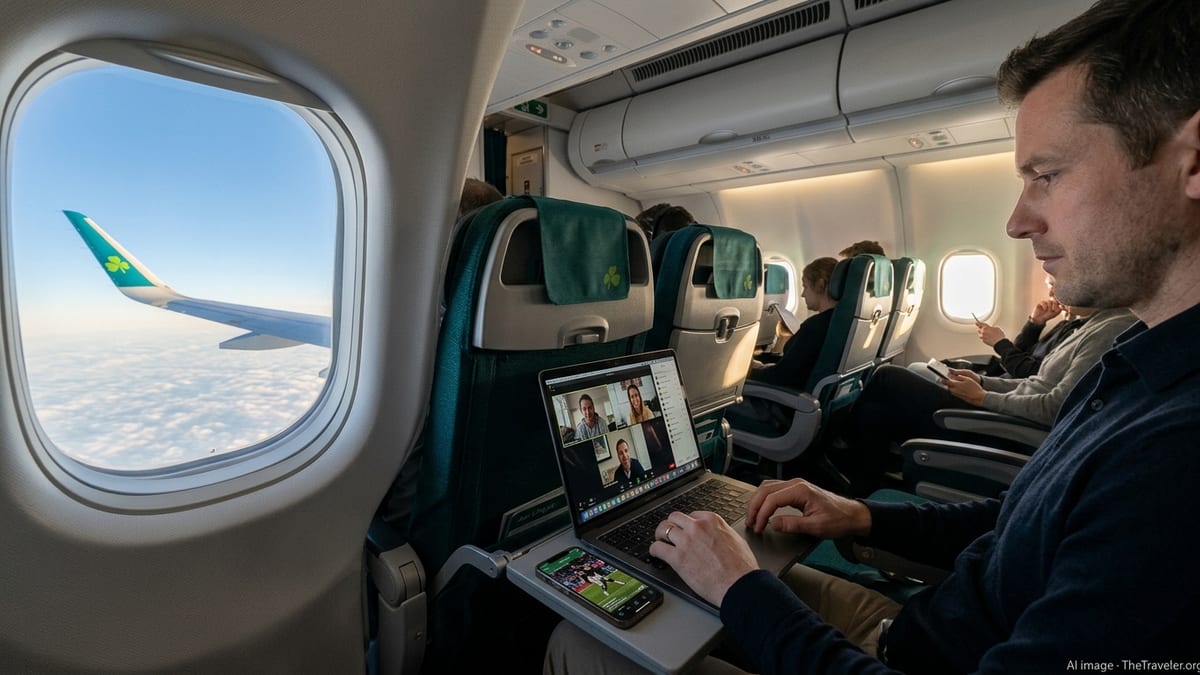
Families and groups increasingly use the connection to coordinate arrival logistics, share live location details once on the ground and adjust meet up times if flights encounter delays. Meanwhile, digital nomads and remote workers can extend productivity into long haul segments, scheduling video meetings around expected coverage zones and using cloud platforms to collaborate from seatback tray tables.
Travelers should be aware that coverage and performance can still vary by route, aircraft type and region. Industry reporting notes that certain polar paths, remote oceanic corridors and older aircraft not yet upgraded may offer reduced or traditional paid connectivity. Checking for a free Wi Fi indicator during booking and in the airline’s mobile app remains advisable for those who rely heavily on staying online.
The Competitive Landscape and What Comes Next
Delta’s inflight technology program is unfolding against a backdrop of rising competition in aviation connectivity, as carriers position digital experiences as a core differentiator. Other global airlines are similarly investing in satellite partnerships and next generation entertainment systems, yet Delta’s decision to anchor its offering in a largely free model for loyalty members marks a notable strategic stance in the U.S. market.
Industry analysts suggest that as more airlines follow suit, expectations around inflight Wi Fi could shift from premium add on to basic utility, similar to power outlets or seatback screens. In that scenario, carriers able to layer distinctive content ecosystems and tourism partnerships on top of the connection are likely to stand out, particularly on long haul leisure routes.
Looking ahead, public briefings from Delta emphasize further personalization, tighter integration with ground transport and hospitality partners, and the use of cloud based tools to synchronize the experience from booking through baggage claim. For destination marketers, that opens the prospect of engaging travelers at multiple digital touchpoints across the journey rather than only after arrival.
For now, the combination of fast, free Wi Fi, a growing Delta Sync platform and expanding coverage on long haul aircraft is already changing the feel of international travel. As more routes come online in the months ahead, the cabin is poised to become not just a means of reaching global destinations, but a connected space where the trip itself is researched, refined and, increasingly, inspired.