


More news on this day
Delta Air Lines is accelerating an inflight technology overhaul that is turning its cabins into hyper-connected digital hubs, a shift that travel analysts say is already influencing how tourists choose routes, plan activities and share experiences across global destinations.
Get the latest news straight to your inbox!
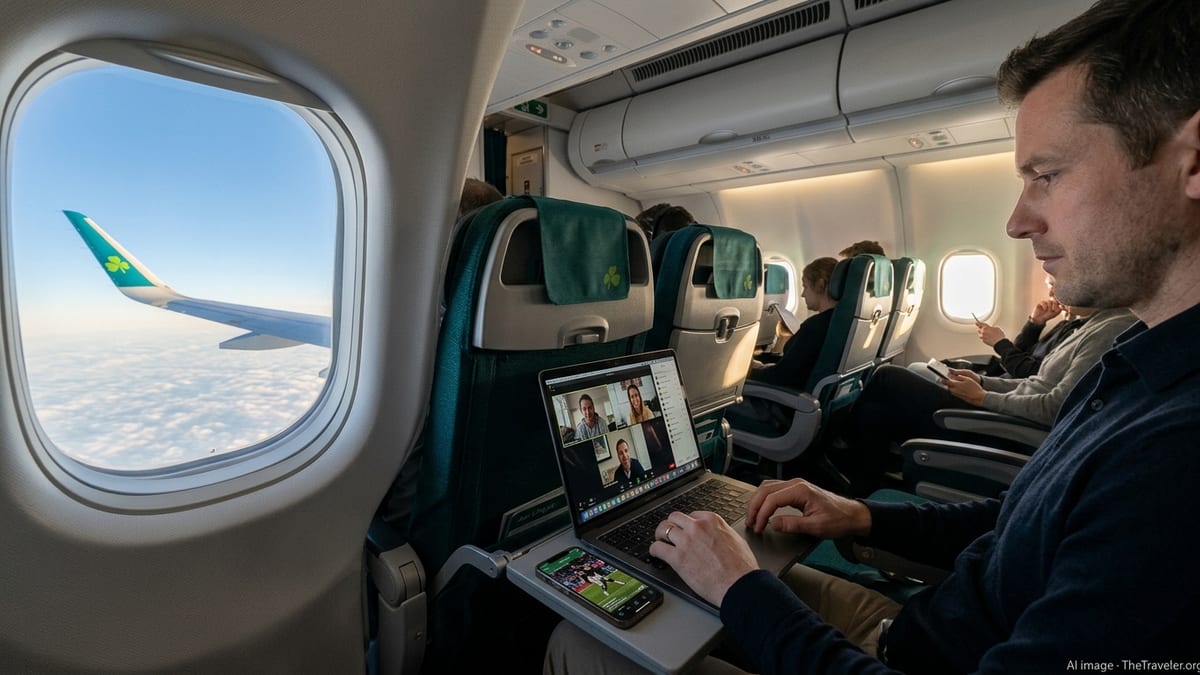
Fast, Free Wi-Fi Becomes a Global Travel Tool
Publicly available information from Delta and connectivity partners indicates that the airline’s fast, free Wi-Fi, branded as Delta Sync Wi-Fi and presented with T-Mobile, is now available on more than 1,200 aircraft worldwide, with usage counted in the hundreds of millions of sessions since its 2023 launch. The service is unlocked for SkyMiles members and is being extended from domestic U.S. routes to a growing list of long-haul international flights as more jets are equipped with Viasat satellite technology.
On Delta’s booking channels, flights offering the upgraded service are marked with a dedicated badge for free Wi-Fi for SkyMiles members, effectively turning connectivity into a visible differentiator as travelers compare options. Industry commentary suggests that this kind of transparency is nudging customers, particularly leisure travelers and digital nomads, toward flights that guarantee reliable streaming and real-time messaging throughout their journey.
Research on passenger expectations from satellite operator Viasat and other industry reports shows that strong inflight connectivity now ranks among the top deciding factors when choosing an airline, with many travelers willing to switch carriers for dependable, low-friction access. Delta’s rollout positions the carrier prominently in that competition, especially on North American and transatlantic routes that feed major tourism markets.
As connectivity becomes standard across more of Delta’s global network, travel planners anticipate further changes in booking patterns. Long layovers that once discouraged certain routings may become more attractive when travelers can work, stream and coordinate trip details in real time, potentially boosting stopover tourism in key Delta hubs from Atlanta and New York to Amsterdam and Seoul.
Delta Sync Seatback: Personalization in Every Cabin
Beyond Wi-Fi, Delta is investing heavily in a new generation of seatback screens and personalized interfaces under its Delta Sync banner. Company materials describe Delta Sync Seatback as an entertainment and commerce platform that recognizes SkyMiles members, remembers viewing preferences and offers tailored recommendations, from films and playlists to destination content and partner offers.
Reports on Delta’s technology roadmap highlight a collaboration with major inflight entertainment suppliers to introduce 4K-resolution screens, enhanced touch responsiveness and Bluetooth connectivity, allowing passengers to pair their own headphones instead of relying on wired sets. These features are planned to appear first on newly delivered and retrofitted aircraft, with gradual expansion across widebody fleets that serve long-haul tourism routes.
For travelers heading to far-flung destinations, from Mediterranean beaches to Asian megacities, the upgraded interfaces could change how downtime is used. Instead of simply watching a preselected film, passengers may browse city guides, restaurant suggestions or local experiences curated through partners, all from the same screen they use for entertainment. This kind of contextual content, tailored to the route and arrival time, has the potential to steer spending toward particular neighborhoods, attractions and events.
Industry observers note that airlines increasingly see these personalized touchpoints as a new kind of digital real estate. For tourism boards, hotel groups and local operators, appearing on a traveler’s seatback screen in the final hours before landing could become as valuable as traditional print or online advertising, with Delta’s global network providing a particularly wide stage.
Partnership Ecosystem Links Cabin Tech to Destination Spend
Delta’s inflight technology push is closely tied to a growing ecosystem of partners whose services bridge the gap between cabin and destination. Public information on Delta Sync highlights collaborations with brands ranging from mobile operators and card issuers to rideshare platforms and cultural media services, many of which provide exclusive offers to SkyMiles members when accessed onboard.
For tourists, this translates into practical benefits that extend well beyond the aircraft door. A traveler landing in a European capital or a Caribbean island might use inflight Wi-Fi to confirm airport transfers, adjust hotel check-in times or book last-minute tours, often using offers surfaced through the Delta Sync portal. Travel economists suggest that this type of seamless, pre-arrival planning encourages additional discretionary spending because travelers feel more confident about logistics and pricing before they land.
Destination marketing organizations are taking note. Trade coverage indicates growing interest from tourism boards and city promotion agencies in partnering with airlines that can deliver targeted messages to specific origin markets while travelers are still in the air. With its mix of free connectivity, personalized screens and a large loyalty base, Delta is emerging as a prominent testbed for these campaigns, especially on routes that link U.S. cities with high-growth tourism destinations in Europe, Africa and Asia-Pacific.
For smaller operators, from boutique hotels to local tour companies, the shift could open new channels. As airline platforms mature, there is potential for curated marketplaces where vetted local experiences appear alongside more established brands, giving travelers a broader set of options to explore and book while en route.
How Always-On Flyers Are Changing Trip Planning
The combination of free Wi-Fi and smarter inflight interfaces is also reshaping traveler behavior in subtler ways. Analysts observing airline and tourism trends report that many passengers now treat flight time as an extension of their digital planning window rather than an offline break, fine-tuning itineraries while they have hours to research, compare and book.
In practice, this may mean that a couple heading to a resort town finalizes restaurant reservations only after seeing updated reviews and social content during the flight, or that a solo traveler books a day trip after checking same-week availability and weather from their seat. Social media sharing from cruising altitude, enabled by persistent connectivity, can further amplify destinations as photos and short videos posted midflight reach followers in real time.
For airlines like Delta, this behavioral shift feeds back into network and product strategy. Data generated by inflight browsing and booking patterns, aggregated and anonymized, can provide hints about emerging hotspots, popular experiences and seasonal shifts in demand. While airlines traditionally rely on booking data and historical trends, these real-time digital signals offer another layer of insight that could influence which routes are expanded, how schedules are timed and where marketing resources are focused.
Tourism stakeholders, from national tourism boards to small municipalities, are watching these developments closely. As inflight technology turns aircraft into decision-making spaces, there is a growing incentive to ensure that destination information is accurate, engaging and easily discoverable inside the airline ecosystems that travelers increasingly rely on between takeoff and landing.
What Travelers Should Know Before Booking
For travelers planning upcoming trips on Delta, the new technologies bring clear benefits but also a few practical considerations. Not every aircraft and route is yet equipped with the full Delta Sync Wi-Fi and seatback experience, and coverage can vary on certain long overwater segments while satellite constellations continue to expand. Checking for free Wi-Fi indicators during booking and reviewing aircraft types on individual flights can help set realistic expectations.
Passengers who are not yet SkyMiles members may need to enroll to unlock the full benefits of free connectivity and personalization, a process that can typically be completed in advance of travel. Travel advisors recommend that customers log in to their Delta accounts and confirm their details before arriving at the airport so they can connect quickly once onboard and avoid congestion during initial sign-on periods.
Security and privacy also remain part of the conversation. Aviation and cybersecurity guidance generally treats inflight Wi-Fi like any other public network, encouraging travelers to use secure apps, avoid sensitive transactions and consider virtual private networks for work-related activities. While broadband speeds are improving, bandwidth is still shared across the cabin, meaning heavy streaming or large file transfers may be managed to ensure a consistent experience for all users.
Even with these caveats, industry analysts widely view Delta’s inflight tech investments as a catalyst for broader change. As more airlines respond with their own upgrades, the expectation of being fully connected from gate to gate is likely to become standard, further blurring the line between the journey and the destination and giving global tourism a powerful new digital engine.