


More news on this day
Flight disruption on the busy Dhaka–Riyadh corridor intensified on October 12, 2026, as another 18 departures from Hazrat Shahjalal International Airport were cancelled, leaving 4,851 passengers stranded.
Get the latest news straight to your inbox!
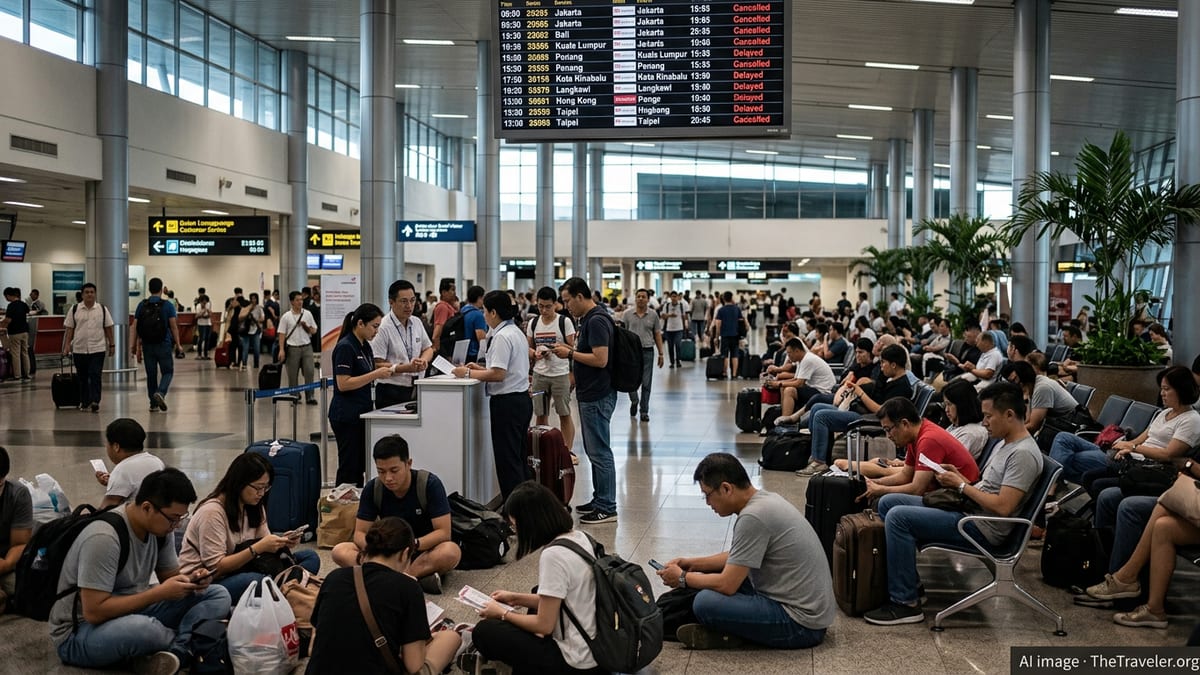
Riyadh airport shutdown ripples into Dhaka
According to published coverage from Dhaka-based outlets, the cancellations are directly linked to the continued closure of King Khalid International Airport in Riyadh following recent drone and missile attacks attributed to Yemen’s Houthi group. Operations at the Saudi capital’s main gateway remain largely suspended for international airlines, disrupting a key route for Bangladeshi migrant workers and religious travelers.
Publicly available information from the Civil Aviation Authority of Bangladesh indicates that the 18 latest cancellations are in addition to 10 flights scrubbed over the previous three days, bringing the total to 28 affected departures on the Dhaka–Riyadh route. Earlier tallies from airport and aviation reports suggested that between 2,951 and more than 3,400 passengers had already been hit by suspensions as the security situation in Saudi Arabia unfolded.
Recent reporting from regional and international media points to widespread disruption at Riyadh’s King Khalid International Airport, with flight-tracking data showing that many services in and out of the Saudi capital remained grounded over the weekend for safety inspections and enhanced security procedures. The closure has affected not only direct Dhaka–Riyadh flights but also connections routed through Riyadh to other Gulf and international destinations.
Bangladeshi coverage notes that the disruption follows a deadly strike on the Riyadh airport complex that killed at least a dozen people and injured hundreds more. While Saudi authorities work to stabilize operations, outbound flights from Dhaka that rely on access to Riyadh have been repeatedly removed from schedules, creating cascading delays and crowding at Hazrat Shahjalal International Airport.
Multiple airlines hit as cancellations mount
Details compiled from aviation-focused reports and local news coverage show that the cancellations are spread across several carriers serving the Dhaka–Riyadh market. Of the 28 flights scrapped since the start of the disruption, four were operated by Biman Bangladesh Airlines, two by US-Bangla Airlines, three by Saudia, three by Riyadh Air and 16 by IndiGo.
Earlier updates released over the weekend indicated that an initial wave of eight to ten flights had been called off, affecting close to 3,000 passengers. As the Riyadh shutdown extended into October 12 without a firm reopening timetable, airlines adjusted schedules again, eliminating more departures and sharply raising the number of people stuck in Dhaka.
Flight-information pages published by Hazrat Shahjalal International Airport show multiple Riyadh-bound services listed as cancelled, including Biman’s Dhaka–Riyadh routes and flights by Saudi and low-cost regional carriers that use Riyadh as a primary gateway. Additional services on related Saudi routes, such as flights to Jeddah or Medina, have been placed under review as airlines juggle aircraft and available slots.
Industry observers note that Dhaka–Riyadh is one of the busiest long-haul corridors for Bangladesh, heavily used by expatriate workers heading to and from Saudi Arabia. With 16 of the affected flights operated or fed by IndiGo, many passengers booked on connecting itineraries via Riyadh have also seen travel plans upended, even if their final destination lies beyond Saudi Arabia.
Travelers crowd terminals as uncertainty grows
The latest round of cancellations has left thousands of passengers inside Hazrat Shahjalal International Airport waiting for updates, often with limited clarity on when alternative arrangements might materialize. Previous episodes of disruption on Middle East routes this year led to scenes of overcrowded terminals, passengers sleeping on floors and long queues at airline counters as travelers sought rebooking or refunds.
Reports from Bangladeshi travel and aviation publications describe passengers arriving from distant districts to catch flights that had already been scrubbed from the departure board, citing gaps between real-time airport data and what travelers were told in advance. In earlier waves of cancellations related to regional tensions, many passengers reported a lack of timely communication about changed schedules and hotline numbers that were difficult to reach.
Current coverage suggests similar frustration among Riyadh-bound travelers this week, particularly among migrant workers whose employment contracts and visa windows leave little room for delay. For many, the Riyadh route is a crucial lifeline to jobs that support families back home, magnifying the impact of each cancelled flight.
Inside the airport, ground-handling teams and airline staff face a mounting logistical challenge as more outbound passengers remain in limbo. With departure gates freed by cancellations, terminal seating and common areas are bearing the brunt of the congestion, while food, rest facilities and access to up-to-date information are emerging as key pain points for affected travelers.
Authorities and airlines explore alternative routings
Public statements summarized in local coverage indicate that Bangladeshi aviation officials and carriers are attempting to reroute at least some stranded passengers via other Saudi cities. The civil aviation and tourism minister has publicly outlined plans to move Riyadh-bound travelers through Dammam and Medina, subject to seat availability, with indications that passengers will not be charged extra for these changes.
Biman Bangladesh Airlines has also described efforts to shift eligible passengers onto flights it already operates to alternative Saudi gateways, again without additional fare collection. However, capacity on these routes is limited, and the ability to absorb nearly 5,000 displaced travelers will depend on how long Riyadh remains offline and whether other airports in the region can handle extra traffic.
According to airport and airline data, some carriers are leaving planes and crew in Dhaka until a clearer picture emerges on Riyadh’s reopening, while others are redirecting aircraft to routes unaffected by the security situation. For passengers, this means that rebooking options may vary significantly by airline, ticket type and final destination.
Travel analysts note that because many travelers on Dhaka–Riyadh services hold time-sensitive work visas or seasonal pilgrimage bookings, missed flights can trigger a domino effect of missed reporting dates, shortened contracts or lost travel opportunities. Even with alternative routings through Dammam, Jeddah or Medina, not all travelers will be able to reach their intended workplaces or pilgrimage groups on schedule.
Advice for affected passengers and outlook
Based on recent public advisories, passengers booked on Dhaka–Riyadh flights are being urged through media reports to avoid going to the airport without first checking the status of their flight directly with their airline. Previous press releases from the Civil Aviation Authority of Bangladesh have highlighted that schedules may be revised at short notice and that many flights remain suspended until further notice.
Travel reports emphasize the importance of monitoring airline announcements, SMS updates and local news bulletins for any indication that King Khalid International Airport is resuming limited operations. Given the security-driven nature of the shutdown, aviation experts quoted in earlier coverage of similar disruptions have suggested that reopening could be gradual, with partial schedules restored before normal frequencies return.
For now, there is no confirmed timeline for full resumption of Dhaka–Riyadh services. Until a clearer signal emerges from Saudi aviation authorities about the status of King Khalid International Airport, further adjustments to flights from Dhaka remain likely. Travelers planning to fly on this corridor in the coming days are being encouraged, through publicly available information, to build flexibility into their plans and prepare for last-minute changes or extended waits at Hazrat Shahjalal International Airport.