


More news on this day
A surge of missile and drone attacks on Saudi airports attributed to Yemen’s Houthi movement has left more than 20 people dead and hundreds injured, prompting governments and airlines to issue new travel warnings and tighten flight operations across the kingdom.
Get the latest news straight to your inbox!
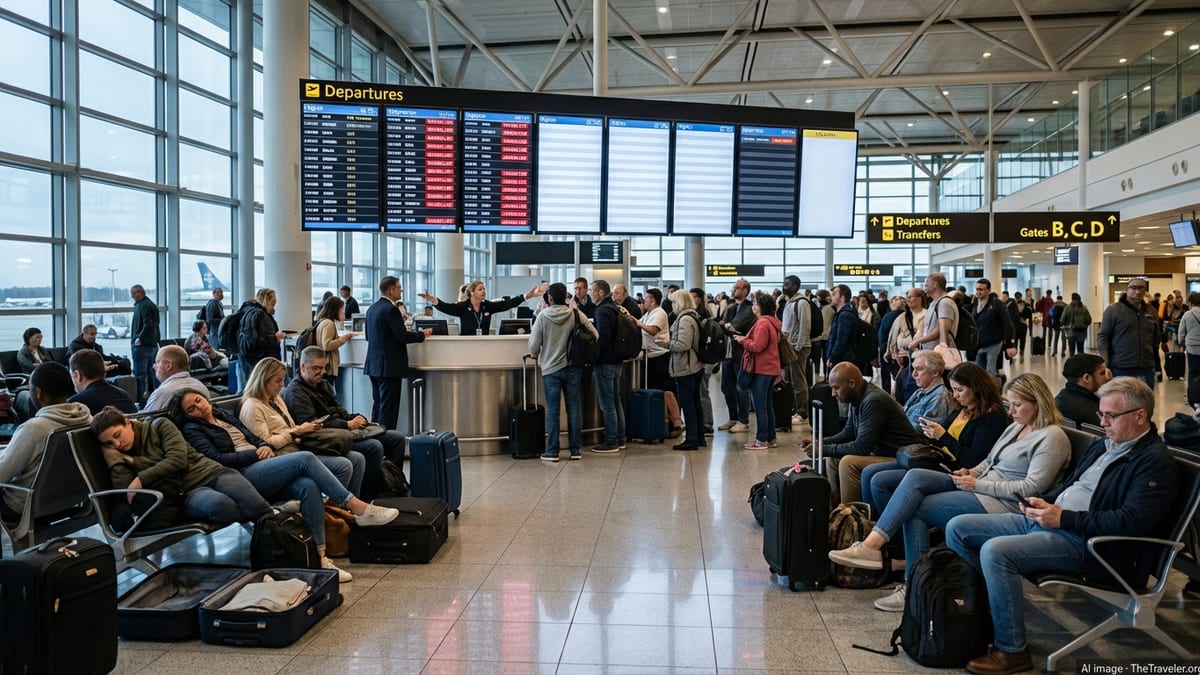
Deadliest airport attacks in years hit Riyadh and Abha
Publicly available reporting indicates that the latest escalation began in mid-2026, when Houthi forces based in Yemen resumed long-range strikes against targets in Saudi Arabia. A series of airport attacks has followed, with King Khalid International Airport in Riyadh and Abha Airport in the southwest emerging as key targets.
On Saturday 10 October 2026, a missile strike on a passenger terminal at King Khalid International Airport in Riyadh killed at least 12 people and injured more than 300, according to figures cited by international news outlets and civil aviation authorities. Coverage describes the attack as the deadliest incident in Saudi Arabia in more than a decade, affecting both Saudi nationals and foreign travelers.
Reports from the following day describe another projectile hitting a passenger terminal at the same airport, killing at least one person and injuring more than 10 others. Earlier in the same week, separate coverage notes that three people were killed in coordinated attacks on King Khalid Airport in Riyadh and Abha Airport in the southern Asir region. Taken together, these incidents have resulted in more than 20 fatalities and several hundred injuries at Saudi airports in less than a week.
Published reporting attributes the strikes to Yemen’s Houthi movement, which has claimed responsibility for several of the attacks. The pattern fits a broader strategy cited by analysts, in which the group has targeted Saudi aviation infrastructure after previous strikes on Yemen’s capital Sanaa disrupted flights there.
Travel advisories tighten for Saudi Arabia-bound visitors
In response to the surge in airport attacks, governments have moved quickly to tighten travel advice for Saudi Arabia. Updated guidance from the United States notes an elevated risk of missile and drone attacks across the country and highlights that U.S. government employees require special authorization to use King Khalid International Airport in Riyadh. The advisory also restricts official travel within roughly 20 miles of the Yemeni border due to the heightened threat environment.
The United Kingdom’s travel advice now warns against all but essential travel to several Saudi provinces, including Riyadh, Aseer, Najran and Jizan, as well as to Taif city and Taif International Airport. Recent revisions extend that caution to the major Red Sea and Gulf hubs of Jeddah and Dammam and advise against using most Saudi airports except Medina, reflecting concerns that aviation infrastructure across the country could be at risk.
Other governments have issued similarly stark alerts. Australia’s official travel guidance has highlighted renewed Houthi attacks on Saudi airports since mid-July 2026, specifically mentioning King Khalid International Airport as a location where continuing security incidents are disrupting operations. New Zealand’s advisory currently urges its citizens not to travel to King Khalid International Airport and warns that airspace closures and flight disruptions may affect travel across Saudi Arabia at short notice.
These advisories emphasize that attacks may occur with little or no warning, particularly around holidays or during periods of regional tension. Travelers are urged to monitor official channels closely, maintain flexible itineraries and register with consular services where available.
Airlines cancel or reroute flights amid security concerns
The security situation has also begun to reshape airline operations into Saudi Arabia. In the days following the explosions at Riyadh’s international airport, publicly accessible aviation reports indicate that airlines such as Lufthansa and Air India temporarily suspended flights to the Saudi capital. Other carriers have reportedly diverted services to alternative airports or reduced frequencies while they assess the evolving risk.
International news coverage and airline statements point to a combination of factors driving these decisions, including concerns about the vulnerability of parked aircraft to missile or drone strikes and the potential for sudden airspace closures that could divert or delay flights. Some carriers are also responding to government-level travel warnings that advise against using specific airports.
Travel industry data and local media indicate that hundreds of flights through Riyadh have been cancelled or rerouted since the latest round of attacks began, stranding transit passengers and complicating travel for residents returning to the kingdom. Operational disruptions have not been limited to the capital: airports in Abha, Jizan and other southwestern cities close to the Yemeni border have periodically suspended services in response to both actual strikes and incoming threat warnings.
For travelers, the practical effect is a far less predictable flying environment. Itineraries involving Saudi hubs may be subject to last-minute changes, with aircraft swapped, flights consolidated or routing altered to avoid specific air corridors during periods of elevated threat.
Impact on on-the-ground travel and airport experience
Within Saudi Arabia, the intensified threat to aviation has prompted visible changes to airport security and passenger handling. Reports drawing on official notices and traveler accounts describe more frequent movement of passengers away from exposed areas on the airfield and into reinforced terminal sections when warning systems detect incoming threats. At King Khalid International Airport, this has included temporary evacuations from gate areas and pauses in boarding and disembarkation.
Travel advisories from several governments urge visitors already in Saudi Arabia to reconfirm flights before heading to the airport, particularly for departures from Riyadh. In some cases, foreign ministries recommend that travelers avoid spending extended periods at airports, arrive closer to departure times where practical, and follow all instructions from airport staff during security alerts.
Road travel patterns have also been affected. The combination of advisories against non-essential travel in certain provinces and the threat of missile or drone strikes on infrastructure has encouraged some travelers to reconsider overland journeys near the Yemeni border. International guidance repeatedly stresses that foreign nationals should avoid border regions and areas close to military sites or critical energy facilities, where the risk of incidental exposure to attacks is higher.
Hotel and tourism operators in Riyadh and in southwestern cities such as Abha are beginning to report cancellations linked to safety concerns and flight unreliability. While comprehensive tourism data for the current quarter is not yet available, industry observers expect a short-term decline in inbound leisure travel as long as missile and drone activity continues to target civilian transport hubs.
What international travelers should do now
For travelers with imminent plans to visit or transit Saudi Arabia, especially through Riyadh or airports in the southwest, publicly available government guidance points to several key steps. The first is to review the latest travel advisories from their home country and confirm whether any “do not travel” or “avoid non-essential travel” warnings apply to their intended destinations or transit points.
Passengers holding tickets to or from King Khalid International Airport are strongly advised by multiple foreign ministries and aviation authorities to contact their airline or travel provider before heading to the airport. Many carriers are offering rebooking options or route changes in light of the ongoing disruptions, though specific terms depend on the airline and the fare purchased.
Once in Saudi Arabia, travelers are encouraged by official advisories to maintain high situational awareness, monitor local news and government announcements, and enroll in consular alert systems where available. Guidance from several governments recommends identifying shelter areas within accommodations, understanding basic steps to take in the event of a missile or drone attack and keeping travel documents and essential items accessible in case rapid movement becomes necessary.
As the security situation remains fluid, the overall message from governments and aviation bodies is one of caution. The recent wave of attacks has underscored the vulnerability of major transport hubs in Saudi Arabia and highlighted the need for travelers to remain flexible, well informed and prepared to adjust plans on short notice.