


More news on this day
Australian travellers are facing a shifting global risk map as the government’s Smartraveller service continues to list a cluster of destinations under its strongest warning level, advising citizens: “Do not travel.”
Get the latest news straight to your inbox!
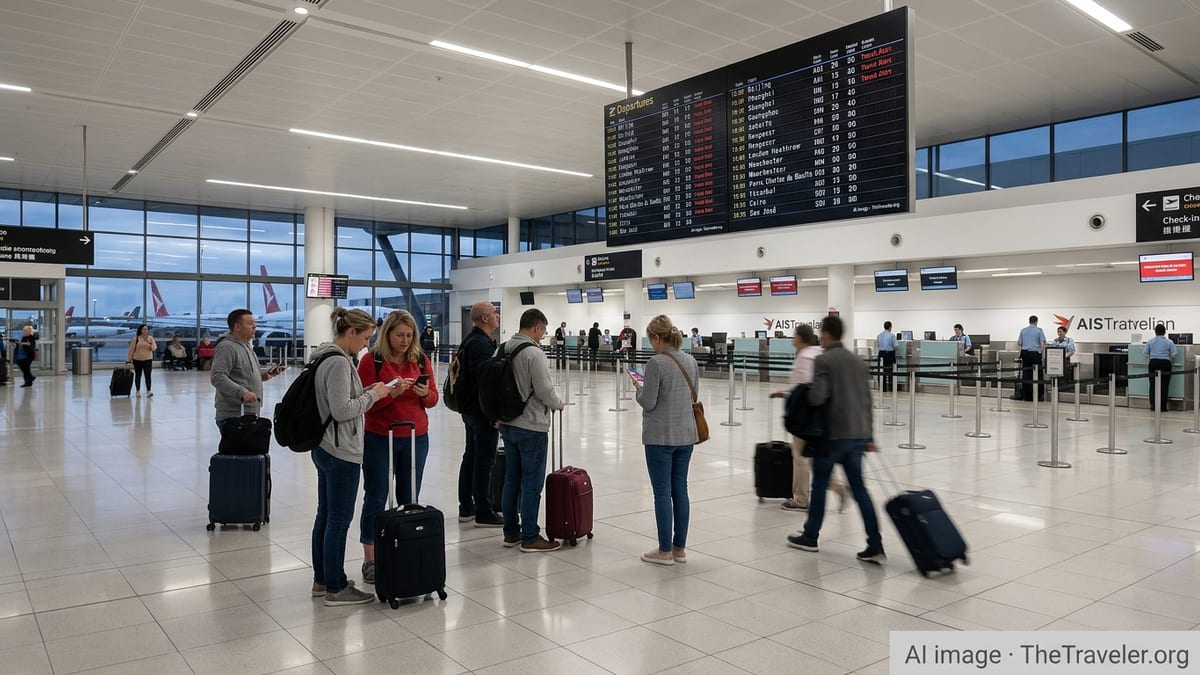
How Australia Decides Where Not to Go
The Australian Government’s Smartraveller service assigns every country one of four advice levels, with “Do not travel” representing the most serious assessment. This rating reflects an extreme risk to personal safety arising from armed conflict, terrorism, widespread crime, civil unrest, or a collapse in basic services. It is reviewed and updated as conditions on the ground change, sometimes with little notice.
As at early October 2026, “Do not travel” advisories remain in place for a number of high‑risk destinations including Afghanistan, parts of Ukraine, Libya, Syria and several other conflict‑affected states. Publicly available summaries for these countries highlight overlapping concerns such as ongoing fighting, high terrorism threat, kidnapping risk, arbitrary detention, and severely constrained consular access for foreign nationals.
The travel warnings are advisory rather than legally binding for most Australians, but they carry significant practical consequences. Airlines may suspend routes into some “Do not travel” countries, foreign embassies may be closed or evacuated, and basic infrastructure like hospitals, banks or telecommunications can be unreliable or targeted in unrest.
For Australian residents planning an overseas trip, the first implication of a “Do not travel” rating is that routine tourism is considered unacceptably dangerous. Many travel industry operators, universities and large employers now treat Smartraveller’s highest warning level as an automatic block on official or sponsored travel.
Key Countries on the Current “Do Not Travel” Radar
Afghanistan continues to feature prominently on Smartraveller’s highest alert tier. The current advisory notes an extremely dangerous security situation, with an ongoing risk of terrorist attacks, armed clashes and targeted or opportunistic kidnappings. The absence of an Australian embassy in Kabul and the limited presence of like‑minded foreign missions mean that consular assistance is highly constrained if travellers encounter difficulties.
Libya is also subject to a “Do not travel” warning tied to armed conflict, terrorism and kidnapping risks, especially in areas bordering Algeria, Chad, Sudan and Niger. Rival security forces, militia groups and criminal networks operate across much of the country, and control of key routes and facilities can shift quickly. Reports on Libya’s situation highlight sporadic fighting in and around major cities, as well as a fragile political environment that leaves visitors exposed if unrest flares.
Parts of Ukraine remain under “Do not travel” advice due to the ongoing consequences of Russia’s full‑scale invasion. Guidance available to travellers points to missile and drone strikes, landmines, unexploded ordnance and military activity affecting both frontline regions and major urban areas. While some neighbouring countries have reopened to tourism, Smartraveller’s country‑by‑country advice underlines that movement into or near combat zones carries significant risk.
Elsewhere, countries such as Syria and Yemen are also widely cited in public travel‑risk resources as locations where intense conflict and humanitarian crises make non‑essential travel inadvisable. In these environments, security forces and armed groups may impose checkpoints, curfews or sudden restrictions on movement. Power outages, fuel shortages and damaged health systems further undermine the safety net that travellers typically rely on when something goes wrong.
Legal “No‑Go” Zones for Australians
Separate from general travel advice, Australia maintains a mechanism for formally declaring specific foreign conflict areas as places citizens cannot visit without a legitimate purpose. Public information on these “places you can’t go” explains that entering a declared area without a valid reason may constitute a criminal offence under national security legislation.
Declared areas have previously included locations controlled or heavily influenced by terrorist organisations. In these cases, simply being present can raise concerns about potential support for extremist groups. The policy is aimed at deterring Australians from travelling to foreign conflict zones to participate in or assist with terrorist activity, while still allowing tightly defined exemptions for accredited journalism, humanitarian work or official duties.
Importantly, declared areas and “Do not travel” countries are not always identical categories. A destination can be subject to a maximum‑level Smartraveller warning without being listed as a declared area in legislation. Conversely, if an area is formally declared, Australians can face legal consequences for travelling there regardless of their personal risk tolerance or insurance arrangements.
Travellers considering complex itineraries that pass through unstable regions, even in transit, are encouraged in publicly available guidance to scrutinise both the Smartraveller travel‑advice levels and any current declared‑area designations before booking flights.
What “Do Not Travel” Means for Insurance and Bookings
One of the most immediate impacts of a “Do not travel” warning is on travel insurance. Policy wording from Australian insurers commonly states that there is no cover for trips to any country or region where Smartraveller has issued a “Do not travel” advisory before the trip start date. This can affect not only medical and evacuation cover but also cancellation claims if a traveller chooses to ignore the warning and proceed.
Where cover is excluded, travellers may find themselves personally liable for medical bills, emergency transport and repatriation costs, which can run into tens or hundreds of thousands of dollars in complex evacuations. Some policies also treat “Reconsider your need to travel” destinations with additional restrictions, requiring travellers to demonstrate that their trip was essential or pre‑booked before an advice upgrade.
Airlines and tour operators may also use Smartraveller levels as a reference point for their own risk assessments. If a key transit hub or final destination shifts into “Do not travel” status, carriers can cancel routes or significantly reduce frequencies. Refund and rebooking rules then depend on each company’s policies, the type of fare purchased and any broader regulatory measures in place at the time.
For Australians mapping out multi‑stop journeys through higher‑risk regions, the combination of restricted insurance, potential airline schedule changes and limited consular capacity is an important factor. Even if entry remains technically possible, the practical support network that underpins modern travel can be severely weakened in “Do not travel” countries.
How Aussie Travellers Can Stay Ahead of Rapid Changes
Recent years have highlighted how quickly global risk conditions can deteriorate, whether due to escalating conflicts, political instability, sudden terrorist incidents or natural disasters. Publicly available information from universities, corporate travel managers and safety consultancies all reiterates a similar baseline: check Smartraveller before booking, monitor for updates in the weeks leading up to departure, and remain alert while overseas.
The Smartraveller site allows users to search destinations by name, review detailed advice pages that may differentiate between regions within a country, and view update timestamps that show when guidance last changed. Travellers can sign up for email updates for specific destinations, providing an early warning if a “Do not travel” rating is imposed or expanded after flights and accommodation have been booked.
In addition, travel‑risk briefings produced by universities and large employers frequently cross‑reference Smartraveller with other national advisory services to build a broader picture of emerging hotspots. This multi‑source approach can be useful where one government tightens its warning levels ahead of others, or where on‑the‑ground disruptions, such as airport closures or border restrictions, are developing faster than official web updates.
For many Australians, the practical takeaway remains straightforward. Popular tourist destinations continue to welcome visitors, but a small group of countries sits firmly in the “do not go” basket. Before locking in long‑haul itineraries or complex overland routes, checking the latest advice and understanding the implications of a “Do not travel” warning is now as central to trip planning as comparing airfares or hotel reviews.