


More news on this day
With the 2026 World Cup drawing hundreds of thousands of visitors across North America, travelers may be quick to blame the tournament for crowded airports and late departures. Yet recent data and climate research suggest another, less visible culprit is increasingly behind delays and schedule disruptions: dangerous heat and the thinner, less dense air it brings.
Get the latest news straight to your inbox!
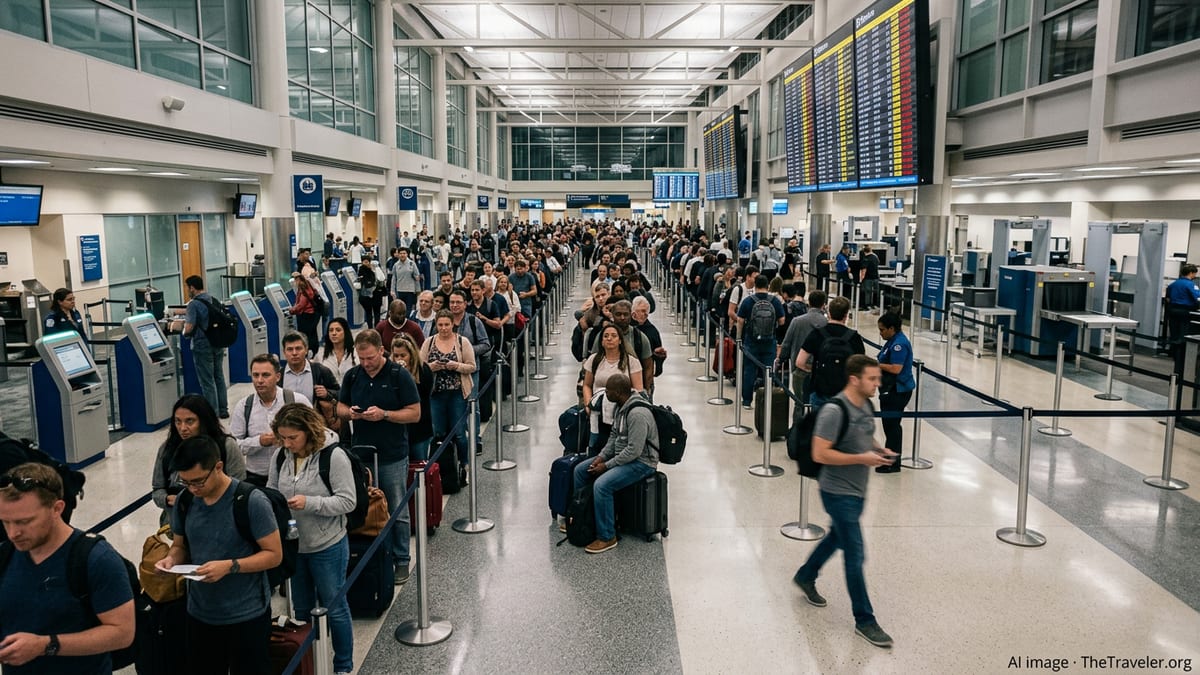
Heat Waves Move to Center Stage in Summer Travel
Forecasts and climate analyses show that many of the 16 World Cup host cities in the United States, Canada and Mexico are likely to see unusually hot conditions during June and July 2026, precisely when international arrivals surge for key matches. Studies cited by climate research groups indicate that extremely hot days have become more frequent at nearly every World Cup stadium site in recent decades, raising concerns not only for players and fans but also for the aviation networks feeding those cities.
Recent summers have already provided a preview. World Weather Attribution and other research initiatives have linked record-breaking heat waves in North America to human-driven climate change, describing some 2026 warm spells as events that would have been virtually impossible without global warming. As temperatures climb, the impacts extend beyond the pitch to tarmacs, aircraft performance and the tightly choreographed wave patterns of daily airline schedules.
While large events such as the World Cup certainly add demand, analysts note that air travel systems are already built to handle seasonal surges, school holidays and peak tourism periods. The growing wild card is the atmosphere itself. When extreme heat coincides with afternoon thunderstorms or wildfire smoke, bottlenecks multiply and ripple through the network long after the final whistle of a match.
Why Hot Air Makes It Harder for Planes to Depart on Time
In high heat, physics starts to work against aviation. As air temperature rises, air density decreases, meaning wings and engines generate less lift and thrust for the same speed and power. Aviation training materials and industry briefings describe a clear relationship: for a given aircraft type, runway length and airport elevation, there is a temperature threshold above which the aircraft can no longer take off at its maximum weight and must be restricted.
In practice, this can mean longer takeoff rolls, payload limits, or both. Airlines may need to offload fuel, cargo or even passengers to keep within performance margins on very hot afternoons. Case studies from airports in Phoenix and Las Vegas over the past decade show that extreme temperatures have already led to payload restrictions and, in some instances, cancellations when forecast highs approached or exceeded design assumptions for certain aircraft models.
Publicly available guidance from pilots and safety organizations explains that these decisions are conservative by design, emphasizing safety and regulatory compliance. But for travelers, the outcome often looks the same: a delayed or rescheduled flight that may be blamed on “operational reasons” rather than a clearly communicated link to a 110-degree heat index and a sunbaked runway.
Climate Change Is Reshaping Aviation Risk More Than Major Events
Long-term planning documents from aviation bodies and multilateral institutions increasingly highlight heat waves as a structural challenge for the sector. Recent reports describe how higher temperatures can affect aircraft performance, increase the need for runway maintenance and contribute to flight delays, cancellations and cargo limits, especially at “hot and high” airports with shorter runways or significant elevation.
At the same time, statistical studies of flight punctuality point to a mix of factors behind delays, from historical route performance and congestion to thunderstorms and low-visibility conditions. Weather emerges repeatedly as a major variable, and rising temperatures are now part of that equation. Analysts note that while a mega-event like the World Cup can temporarily concentrate demand in certain corridors, it does not fundamentally alter the physics of flight or the sensitivity of schedules to severe weather.
During the 2025 FIFA Club World Cup in the United States, for example, published coverage documented how oppressive heat and storms contributed to match disruptions and logistical headaches, including traffic snarls and travel delays for teams and supporters. Those issues were closely tied to meteorological extremes rather than fan numbers alone, underscoring that climate and weather patterns are likely to be at least as important as ticket sales in determining on-time performance during the 2026 tournament.
World Cup Host Cities Face Compounded Summer Pressures
Many of the North American cities hosting World Cup games in 2026 already rank among the busiest aviation hubs on the continent. Major airports serving New York, Dallas, Miami, Los Angeles, Mexico City and others operate near capacity during ordinary summer travel seasons. Slot constraints, staffing challenges and air traffic flow restrictions can all trigger delays even on comparatively mild days.
Add extreme heat to that mix, and operational margins tighten further. In hotter conditions, ground crews must limit time working on exposed aprons, aircraft need more cooling on the ground to keep cabins comfortable, and turnaround times can lengthen. Thunderstorms fueled by hot, humid air masses can prompt temporary ground stops at large hubs, forcing arriving flights into holding patterns and leaving departing passengers waiting at the gate.
Network reports from European and North American aviation authorities in recent years show that weather, staffing and airspace constraints often outweigh special events as drivers of delay minutes across a region. The World Cup may change where and when demand peaks, but the main stress test for aviation infrastructure is likely to come from how often heat waves, storms and wildfire smoke coincide with those peaks.
What Travelers Should Expect as Temperatures Climb
For passengers planning to follow their teams or simply travel during the World Cup window, experts suggest focusing less on whether a host city is staging a match that day and more on seasonal weather risks. Historical patterns show that midafternoon departures from hot, landlocked airports are often among the most vulnerable to heat-related performance limits and convective storms. Morning or late-evening flights may offer slightly better odds of avoiding the sharpest impacts.
Aviation analysts also note that airlines have become more proactive in adjusting schedules ahead of forecast heat waves, swapping in aircraft with stronger takeoff performance or lightening loads on constrained routes. That can mitigate risk but may still result in rebookings or tighter baggage policies. Travelers connecting through multiple hubs on the same day should be prepared for knock-on effects if extreme heat or storms disrupt operations in a key region.
Ultimately, as the 2026 World Cup approaches, the distinction matters for anyone looking to understand why their flight did or did not depart on time. Tournament crowds will certainly test airport capacity, but the more profound and persistent pressure is the planet’s rising temperature. In the contest between soccer and heat as the main driver of summer delays, the atmosphere is increasingly the odds-on favorite.