


More news on this day
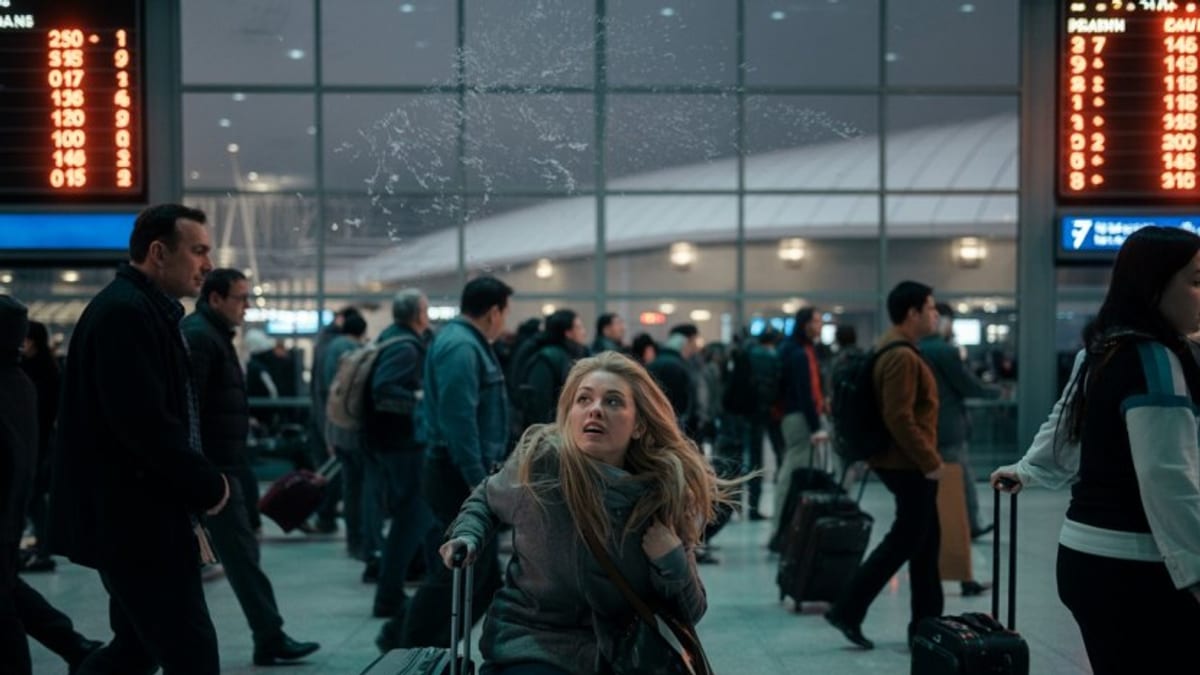
Travelers at Dallas Love Field Airport faced hours of disruption on June 12 as a cluster of delays and at least one cancellation involving Southwest Airlines, Delta Air Lines and JSX triggered knock-on problems for flights across the United States.
Get the latest news straight to your inbox!
Love Field Snags Create a Difficult Morning for Travelers
Publicly available flight-tracking boards for Dallas Love Field on Friday showed a busy schedule struggling to stay on time, with dozens of departures and arrivals posting late. Operational data pointed to more than 70 delayed flights and at least one outright cancellation affecting key domestic routes, leaving early morning and midday passengers crowding gate areas and customer service counters.
The bulk of Love Field traffic is handled by Southwest Airlines, which uses the in-town airport as one of its major bases. Delta Air Lines operates a small schedule at the airport while JSX offers public charter services using a private-terminal model. With all three carriers on the day’s board, delays affecting one airline’s aircraft and crew rotations fed into a wider slowdown across the field.
Weather conditions around Dallas were reported as warm with broken clouds and light winds, suggesting that the primary causes of the disruption were likely operational. When irregular operations begin early in the day, it becomes difficult for airlines to reset their networks, especially at airports such as Love Field that run tight turn times on popular short-haul routes.
Passengers reported long waits as aircraft arrived late from other cities, forcing rolling departure-time changes and leaving some travelers uncertain whether they would make onward connections at larger hubs.
Southwest Network Feels the Strain Beyond North Texas
Because Southwest schedules a dense web of point-to-point flights through Love Field, delays in Dallas can quickly extend to other parts of its network. Aviation schedule data for June 12 showed impacted services linking Dallas with high-demand destinations such as Houston, Los Angeles, Nashville and San Diego, along with other mid-continent and West Coast cities.
When an aircraft arrives late into Dallas from one city, its next departure is often reduced to a minimum turnaround. Any further delay, including time required for boarding, baggage loading or minor maintenance checks, can cascade into subsequent flights. That pattern appeared to be playing out across several Southwest rotations, stretching what might have begun as modest schedule slippage into hours-long setbacks for some passengers.
Southwest is accustomed to managing irregular operations at Love Field, where it maintains a dominant share of gates, but aviation analysts note that the low-fare carrier’s tight scheduling model can leave little slack when even a small number of flights run late. Travelers booked on later departures out of Dallas, including to coastal cities such as Los Angeles and San Diego, faced the prospect of arriving well behind schedule as the day wore on.
Public guidance available from consumer advocates stresses that compensation and assistance policies vary depending on whether a disruption is attributed to weather, air traffic control, or airline-controlled issues such as crew and maintenance. On busy days, disentangling those causes on a flight-by-flight basis can be challenging for passengers trying to understand their options.
Delta and JSX Customers Snagged by Limited Schedules
Delta Air Lines operates a comparatively small schedule at Love Field, relying heavily on connections through its major hubs rather than a large point-to-point network from Dallas. That limited presence can be a disadvantage when disruption hits. If one of just a few daily departures is delayed or canceled, rebooking options from the same airport are often scarce.
Industry data and prior schedule analyses show that Delta’s Love Field service has historically depended on tight agreements over gate access and precise slot timings. Any operational hiccup can therefore have an outsized effect on the small number of travelers booked on those flights, as they are often funneled through other Dallas-area airports or re-routed through alternate hubs to reach their final destinations.
JSX, which markets itself as a semi-private alternative to traditional airlines, also faces challenges when irregular operations occur. The carrier operates a limited fleet on fixed routes and typically sells fewer seats per flight than a mainline airline. When one JSX departure is disrupted, publicly available information indicates that customers may have fewer same-day alternatives unless they are willing to switch to a conventional carrier at either Love Field or larger nearby airports.
The combination of a dominant low-cost carrier, a network airline with a small footprint and a boutique operator using public charter rules creates a complex operational picture at Love Field. A single canceled flight in that environment can set off a chain of rebookings, missed connections and overnight stays extending well beyond North Texas.
Ripple Effects Reach Houston, Los Angeles, Nashville and San Diego
While the most visible frustration was at Dallas Love Field itself, the impact of Friday’s disruptions reached well into other regions. Flight boards at major airports including Houston, Los Angeles, Nashville and San Diego showed Dallas-bound services running late, with departure times pushed back to accommodate inbound aircraft or crew arriving behind schedule from North Texas.
For passengers starting their journeys in those cities, delays tied to Dallas could be just one leg of a longer disruption, particularly for those routing through Love Field to secondary destinations. A late departure from Los Angeles into Dallas, for example, can force travelers bound for smaller markets to overnight, as shorter routes often lack late-evening backup options.
In Houston and Nashville, where Southwest and other carriers balance flights to both Love Field and Dallas Fort Worth International, travelers faced the possibility of last-minute airport or routing changes to salvage connections. Publicly available guidance from travel advisors frequently warns that same-day irregular operations can force passengers onto multi-stop itineraries that are longer and less convenient than their original bookings.
San Diego and other West Coast gateways often rely on a limited number of daily departures to North Texas. Delays on those flights ripple outward into car rentals, hotel check-ins and cruise departures, magnifying the real-world impact of what, on paper, amounts to a few dozen delayed movements and a single cancellation at a mid-sized airport.
What Stranded Travelers Can Do in Similar Disruptions
Travel consumer advocates recommend that passengers facing the kind of rolling delays seen at Love Field on Friday pay close attention to notifications from their airline’s app, gate screens and airport announcement systems. Same-day schedule changes can open brief windows to switch flights or reroute before seats disappear.
Published guidance from aviation regulators and consumer-protection agencies emphasizes knowing the difference between weather-related and airline-controlled disruptions when seeking help. In some cases, airlines may provide meal vouchers, hotel accommodations or future travel credits when delays are within their control, while options can be more limited when air traffic control or severe weather is the underlying cause.
Passengers traveling through busy connecting points such as Dallas, Houston or Los Angeles are often advised to build longer connections into their itineraries during peak travel periods. While that approach can add waiting time on routine days, it may reduce the risk of misconnecting when an airport experiences the sort of multi-hour rolling delays seen at Love Field.
For now, Friday’s disruption serves as another reminder that a relatively small number of delayed and canceled flights at one key airport can quickly reverberate through an entire national network, affecting travelers who never set foot in Dallas but whose journeys depend on aircraft and crew passing through North Texas on time.