


More news on this day
Cathay Pacific’s decision to halt flights to Dubai and Riyadh through at least the end of May has turned two of the Middle East’s busiest gateways into symbols of a widening aviation shock sparked by regional conflict and surging fuel prices.
Get the latest news straight to your inbox!
Cathay’s Middle East Retreat Widens Disruptions
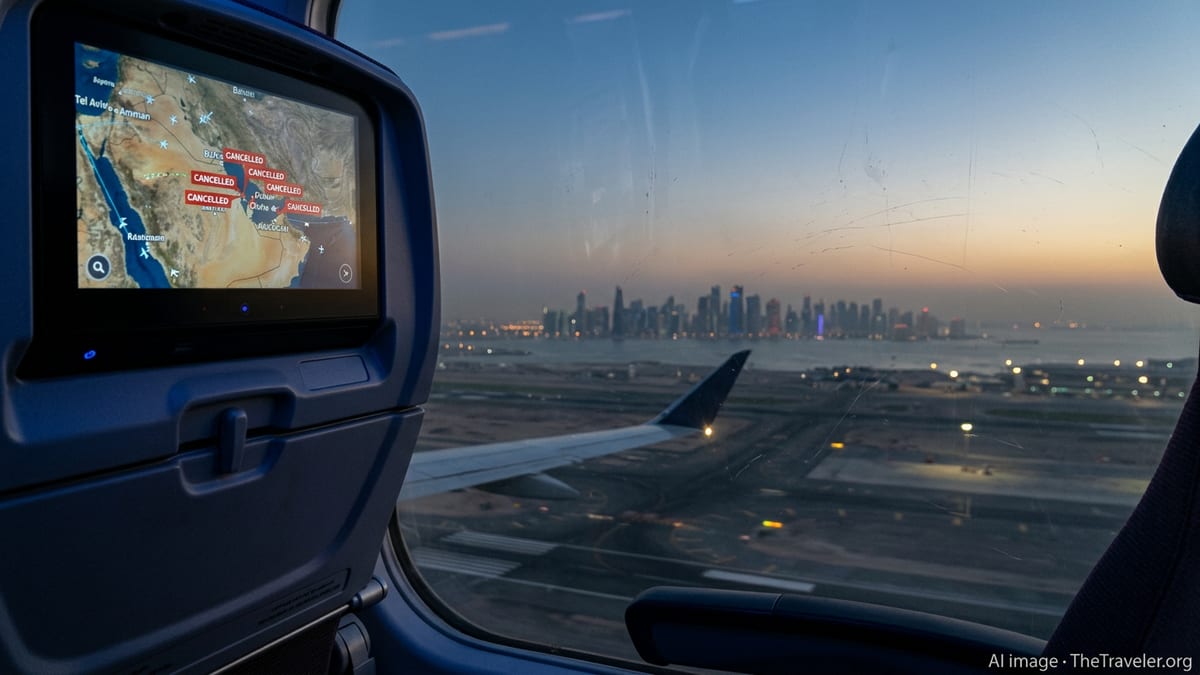
Publicly available statements and airline advisories show that Cathay Pacific has cancelled all flights to and from Dubai and Riyadh until May 31, 2026, citing the security situation in the Middle East and evolving airspace restrictions. The move extends earlier suspensions that had initially covered only several weeks in March and then April, underlining how rapidly a temporary disruption has hardened into a medium term network pullback.
For Dubai, one of the world’s largest international hubs, Cathay’s exit follows a series of rolling cancellations that began with short term suspensions in late February before being repeatedly extended. Travel industry reports indicate that Cathay’s Dubai services are now offline for the entire spring shoulder season, affecting both point to point traffic and a lucrative flow of connecting passengers between Asia, the Gulf and Europe.
Riyadh, which only recently secured new long haul links as Saudi Arabia pursues an ambitious tourism and business travel agenda, has also seen its Cathay flights disappear for at least three months. Network planning data published last year highlighted Hong Kong to Riyadh as a growth market for the carrier, but the current environment has forced a reversal just as the route was ramping up.
Schedules released by the airline show that some capacity has been redirected toward alternative Asian and European routes perceived as less exposed to geopolitical risk. However, aviation analysts note that the loss of nonstop links from Hong Kong to Dubai and Riyadh narrows options for corporate travelers and freight shippers who relied on Cathay as an alternative to Gulf carriers.
Middle East Conflict Tightens Airspace and Raises Risk
The suspensions are unfolding against the backdrop of the 2026 Iran war and a broader regional crisis that has disrupted traffic across key Middle Eastern air corridors. Open source monitoring of flight paths shows that numerous airlines are now avoiding portions of airspace near the Strait of Hormuz and other conflict zones, adding time and distance to many long haul services.
The conflict has also affected operations on the ground. Regional news outlets and airline notices have documented temporary closures and capacity constraints at several Middle Eastern airports, along with heightened security protocols and rapidly changing risk assessments. Although Dubai International remains open and Gulf carriers continue to operate large schedules, the environment for foreign airlines with smaller regional footprints has grown more complex.
For Cathay Pacific, these conditions intersect with an already delicate strategic position. The Hong Kong based carrier has spent the past few years rebuilding its long haul network after the pandemic and prolonged local travel restrictions. The sudden need to stand down entire Middle Eastern stations underscores the vulnerability of expansion plans to external shocks far beyond the company’s control.
Industry observers note that the Middle East accounts for a disproportionately large share of global connecting traffic, particularly between Asia, Europe and Africa. When conflict and airspace closures ripple across this region, airlines that rely on overflight rights or niche routes into Gulf hubs can see route economics deteriorate in a matter of days.
Jet Fuel Prices Soar as War Hits Energy Supply
At the same time, the war has triggered a spike in global energy prices that is hitting airlines through a sharp rise in jet fuel costs. Data from the International Air Transport Association and market trackers suggest that average jet fuel prices have roughly doubled since late February, with some assessments indicating gains of around 90 to 115 percent in key markets compared with the start of the year.
The supply shock is closely linked to disruptions around the Strait of Hormuz and attacks on refinery and export infrastructure in Saudi Arabia and elsewhere. Analysts estimate that a significant share of global jet fuel and related products either originates in the Middle East or transits chokepoints now affected by the conflict. As a result, refiners face both higher crude prices and logistical constraints, which are quickly passed on to airlines.
Unlike some European carriers that hedge a large portion of their fuel needs, many Asia Pacific airlines are more exposed to spot prices. Commentaries from regional economic institutes describe jet fuel as one of the industry’s largest single expenses, often accounting for around a quarter to a third of operating costs. A sudden jump in fuel prices can therefore erase thin profit margins and turn marginally profitable routes into loss makers.
In this context, Cathay Pacific’s decision to suspend Dubai and Riyadh flights rather than maintain reduced frequencies appears aligned with a wider industry trend of pruning routes that cannot support much higher operating costs. Maintaining long stage length services that require detours around conflict zones is particularly challenging when each additional hour in the air compounds fuel burn.
Global Airlines Cut Capacity, Raise Fees and Reroute
The pressure created by Middle East tensions and fuel costs is not limited to Cathay Pacific. Recent coverage from international news agencies details how major North American and European airlines are trimming schedules, especially on lower yielding routes and off peak travel days, as they seek to preserve cash and protect profitability.
Several United States carriers have announced higher checked baggage fees and new fare structures in recent weeks, directly linking the increases to rising jet fuel costs. Reports indicate that United Airlines, Southwest and JetBlue are among those that have implemented new surcharges or revised fee tables since the start of the conflict, part of a broader effort to shift more of the fuel burden onto passengers.
Rerouting has also become a defining feature of the current crisis. Flight tracking data shows that airlines operating between Europe and Asia are in many cases flying longer paths that avoid certain Middle Eastern airspaces, adding both time and fuel to journeys. Some carriers have boosted frequencies on alternative corridors through Central Asia or via the Indian Ocean as they reconfigure networks around the conflict zone.
Industry research cited by travel and financial publications suggests that the combined impact of higher fuel prices, rerouting and disrupted passenger and cargo flows could amount to billions of dollars in additional costs if current conditions persist. For passengers, that is already translating into higher fares on some long haul markets and fewer nonstop options, especially to and through the Gulf.
Travelers Face Reduced Choice and Higher Fares
For travelers who traditionally routed through Dubai or Riyadh on Cathay Pacific, the immediate effect is a reduction in choice. With the Hong Kong based carrier out of both markets for at least three months, passengers are being funneled toward Gulf mega carriers and a shrinking pool of alternative connections through cities such as Doha, Istanbul or European hubs.
Travel advisory sites report that many passengers affected by Cathay’s suspensions are being offered rebookings via other Asian or European gateways, travel credits, or refunds under flexible ticket policies introduced for flights touching the Middle East. However, the sudden surge in demand on remaining routes means that comparable itineraries are not always available, and when they are, prices can be substantially higher.
Broader market analysis from aviation and economic think tanks points to a likely period of structurally higher airfares if the Middle East conflict and fuel market volatility continue. With jet fuel now trading near multi year highs and airlines facing added insurance, security and crew costs on certain routes, many carriers are introducing fuel surcharges or quietly adjusting base fares to reflect the new cost environment.
For now, Cathay Pacific’s deep cuts to Dubai and Riyadh stand out as some of the clearest examples of how geopolitical risk and energy prices can collide to reshape air networks almost overnight. If the conflict endures and fuel costs remain elevated, more carriers may decide that step back is safer than flying into an increasingly costly and unpredictable region.