


More news on this day
Egypt is set to launch a new digital visa on arrival system at Cairo International Airport in August 2026, a move that signals how the country is using technology to streamline entry formalities and support ambitious tourism growth targets.
Get the latest news straight to your inbox!
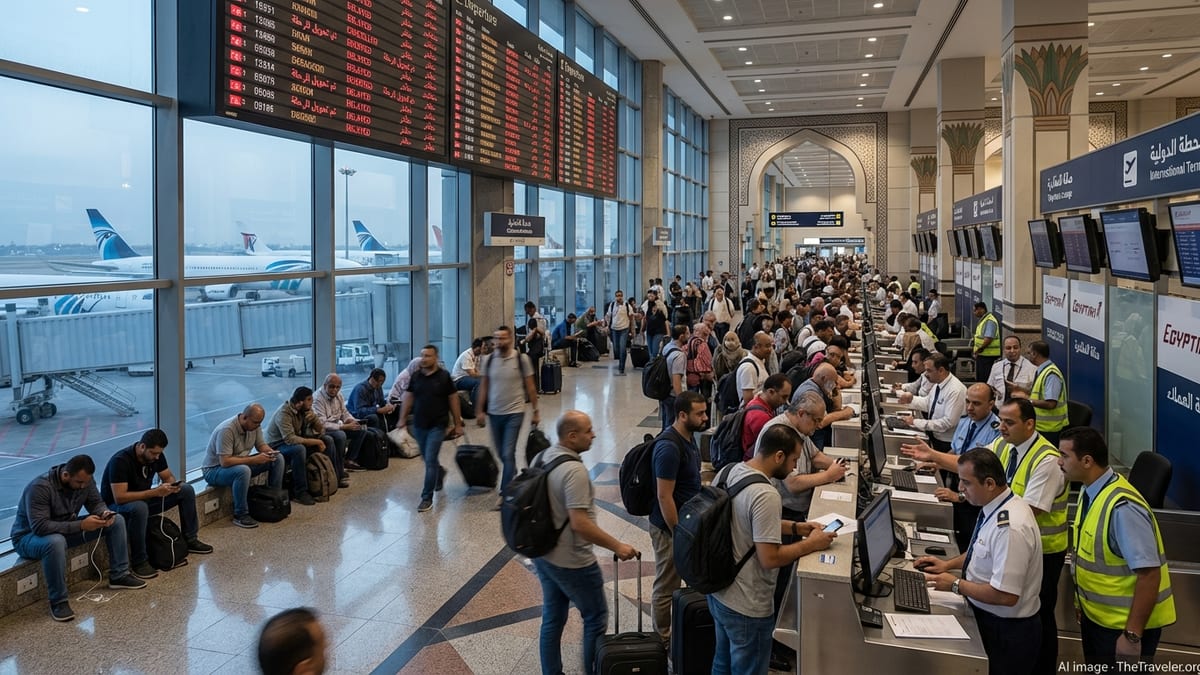
A Digital Milestone for Cairo International Airport
Recent government announcements and local media coverage indicate that Egypt has signed implementation agreements for a fully digital visa on arrival platform at Cairo International Airport, with operations scheduled to begin in August 2026. The system will allow eligible foreign visitors to obtain and pay for their visas through secure digital channels at the airport, replacing the long-standing reliance on paper visa stickers and manual processing.
According to published coverage, the platform is being developed and operated in partnership with CyShield Technology, working alongside major state-owned banks that will provide the electronic payment backbone. The arrangement reflects a wider strategy to bring private sector expertise and financial institutions directly into airport service delivery, particularly in areas that combine border formalities with real-time digital payments.
Reports from Egyptian outlets describe the digital visa on arrival as a core part of a modern travel “ecosystem” at Cairo, integrating with upgraded passport control systems, automated data checks and enhanced cybersecurity tools. Authorities have presented the initiative as a flagship example of how Egypt aims to make its busiest airport a regional testbed for smart-travel technologies.
From Paper Stamps to Secure Digital Workflows
For years, many visitors to Egypt have become familiar with the paper visa sticker purchased from bank counters in the arrivals hall. Publicly available information shows that this system will now be phased out at Cairo International Airport in favor of an electronic visa on arrival record, generated and stored digitally once a traveler’s passport and details are verified.
The new platform is designed to reduce congestion at visa counters and immigration queues by cutting out manual form-filling and cash-only processes. Reports indicate that travelers will be able to pay using cards and other digital payment methods, with the visa issuance linked directly to passport scanning. This is expected to shorten the time spent between arrival at the terminal and clearance from passport control.
Government communications on aviation and border management reforms suggest that the digital visa workflow will also connect with Egypt’s advanced passenger information systems. That integration is intended to improve the accuracy of entry checks, while still delivering a faster experience at the point of arrival. The shift away from paper is being framed as both a customer-service upgrade and a security enhancement.
The move also builds on a separate nationwide e-visa system, which already allows many travelers to apply online before departure. The new digital visa on arrival option at Cairo is expected to complement, rather than replace, advance electronic applications, offering an additional choice for visitors who decide on their trip at shorter notice.
Part of a Broader Airport Digital Transformation
The introduction of the digital visa at Cairo International Airport is the latest step in a broader programme to digitize Egypt’s air gateways. In recent months, authorities have rolled out electronic landing and passport cards, dismantled some remaining paper-based documentation requirements and expanded automated border control e-gates across major international terminals.
Official statements and cabinet-level briefings over the past year have outlined a national objective for all airports to be fully able to process tourists through electronic visa channels and urgent-issuance visas by 2026. The digital visa on arrival at Cairo, starting in August, is being positioned as a pilot that will inform the rollout of similar systems at other airports such as Sharm El Sheikh, Hurghada and Borg El Arab.
Industry-focused publications highlight that Cairo International Airport has also been investing in smart baggage handling, command-and-control systems and upgraded passenger information platforms. The combination of these tools with digital border and visa services is intended to create a more seamless airport experience, aligning Egypt with global travel hubs that have moved aggressively into contactless and automated processing.
Observers note that Egypt’s aviation authorities have been working with international technology providers to meet global standards for data security and passenger processing. The digital visa platform is therefore seen as a key visible element of a deeper, mostly behind-the-scenes modernization effort in airport IT infrastructure.
Tourism Growth Targets Driving Innovation
Egypt’s determination to introduce the digital visa on arrival at Cairo in August 2026 is closely tied to its tourism strategy. Government plans widely reported in tourism and business media point to a target of attracting 30 million visitors annually within the next few years, an objective that requires both increased air capacity and more efficient processing of passengers on arrival.
By easing one of the most time-consuming steps at the border, the new system is expected to help airports handle growing volumes without proportional increases in physical counters or staffing. Travel analysts note that shorter queues and clearer, more predictable procedures at passport control can significantly shape visitor perceptions, particularly for first-time travelers to the country.
Publicly available economic assessments suggest that tourism is a critical source of foreign currency for Egypt, making reliability and convenience in travel processes a national economic priority. The digital visa on arrival is being cast as an important competitiveness measure at a time when many destinations in the region are investing in large new airports and marketing campaigns to attract the same pool of international tourists.
Market commentary also indicates that simplifying entry formalities can support growth in key segments such as city breaks in Cairo, conference and exhibition travel, and combined cultural and coastal itineraries. Faster processing at Cairo International Airport, the main gateway, is likely to have a ripple effect across the wider tourism value chain.
What Travelers Can Expect From August 2026
From August 2026, passengers eligible for visa on arrival at Cairo International Airport can expect the process to look different from the familiar paper-based routine. Instead of queuing to purchase a physical sticker, travelers will be directed to digital service points or counters where their passport is scanned, their information is captured electronically and payment is taken via digital channels.
Reports indicate that once the transaction is completed, the visa is recorded in the system and linked to the passenger’s travel document, removing the need to handle paper stamps or adhesive labels. Immigration officers are then able to view the digital visa record when the traveler reaches the passport control booth, allowing for a smoother final check.
Travel advisories and practical guidance are expected to emphasize that eligibility rules, fees and permitted lengths of stay will continue to be defined by Egyptian entry regulations, even as the method of issuance becomes digital. Visitors will still need to verify, before travel, whether they qualify for visa on arrival or must obtain an e-visa or other authorization in advance.
For Egypt, the launch at Cairo in August 2026 will serve as a high-profile test of how digital tools can reshape one of the most visible moments in any international journey: crossing the border. For travelers, it promises a more streamlined start to a trip that increasingly begins not with paperwork, but with a few quick taps on a digital screen.