


More news on this day
Passengers on an Emirates flight from Delhi to Dubai faced an overnight ordeal after a bird strike damaged the aircraft’s nose cone on arrival in the Indian capital, forcing a delay of around 17 hours while engineers carried out inspections and repairs.
Get the latest news straight to your inbox!
Bird strike forces Boeing 777 out of service
Publicly available flight data and multiple media reports indicate that Emirates flight EK517 was scheduled to depart Delhi’s Indira Gandhi International Airport for Dubai at 4:25 p.m. local time on Saturday, 17 October 2026. The service was planned to operate with a Boeing 777-300ER arriving from Dubai as EK516, with just over an hour between landing and the return departure.
Coverage in Indian and international outlets describes how, during arrival into Delhi, the aircraft encountered a bird strike that left a pronounced dent in the nose cone, the radome section that protects the weather radar. Video circulated by local media shows ground staff examining visible damage at the front of the jet near Terminal 3, prompting concern about the safety of operating the aircraft without a detailed inspection.
Following the incident, the 777 remained on the ground in Delhi for engineering checks and structural assessment of the radome. Publicly available reports state that the airframe involved was kept out of service overnight so that technicians could complete repairs and clear the aircraft to fly back to Emirates’ hub at Dubai International Airport.
According to operational tracking cited in recent aviation coverage, the return sector EK517 ultimately departed Delhi at around 10:00 a.m. on Sunday, 18 October, resulting in a delay of roughly 17 to 17.5 hours compared with the original schedule.
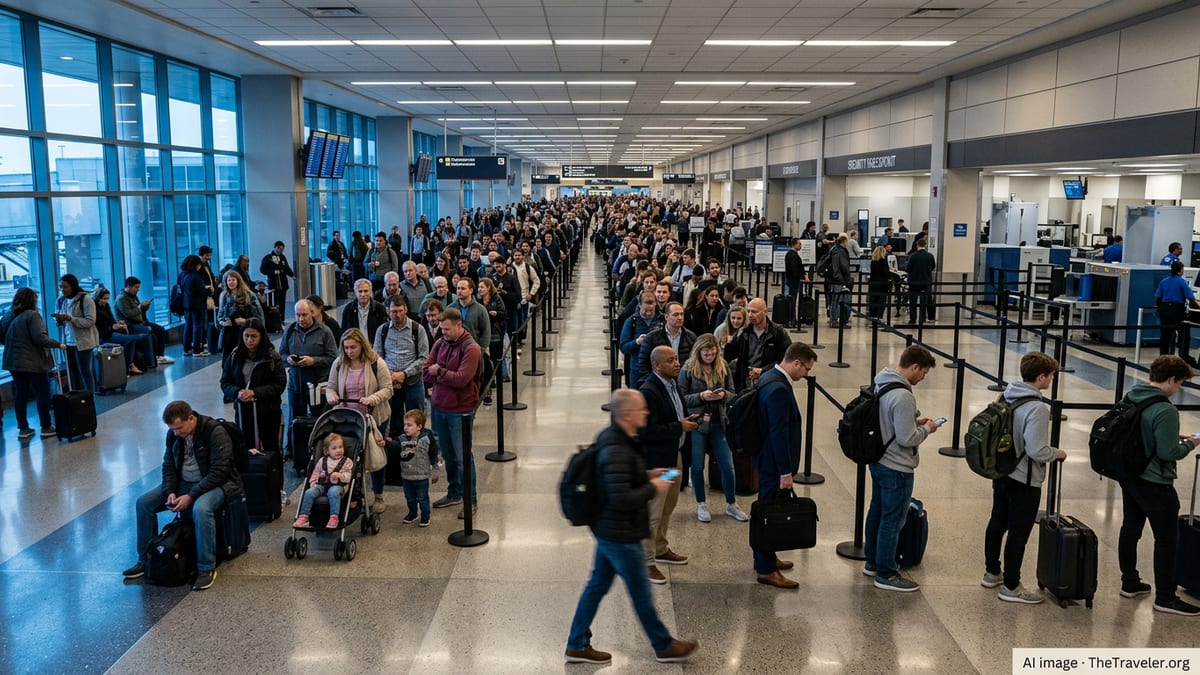
Hundreds of travelers face overnight disruption
Passengers booked on the Delhi–Dubai leg found themselves unexpectedly stranded as the Saturday afternoon departure time slipped first into late evening and then into the following morning. Reports from aviation news services and regional media note that the airline arranged hotel accommodation in Delhi for travelers who could not continue their journeys as planned.
Information published by Emirates on handling operational disruptions indicates that the carrier typically offers meal vouchers, accommodation and rebooking support when delays extend overnight. In this case, publicly available coverage states that affected travelers were transferred to nearby hotels, with ground staff coordinating transport and updated departure details.
The precise number of passengers on EK517 has not been disclosed in open reporting, but the Boeing 777-300ER type used on the route generally seats well over 350 travelers in a multi-class layout. With the Delhi–Dubai service feeding onward connections across Europe, Africa and the Americas, the knock-on impact likely extended beyond those waiting at Indira Gandhi International Airport to include missed or rebooked onward flights through Emirates’ Dubai hub.
Despite the length of the disruption, there have been no reports in public sources of injuries to passengers or crew as a result of the bird strike. The situation remained an operational inconvenience rather than a safety emergency, with the aircraft landing normally in Delhi before the damage was discovered and inspected on the ground.
Timeline of the 17-hour delay
Based on open flight-tracking data summarized in recent aviation reports, the Emirates Boeing 777 landed in Delhi at approximately 3:10 p.m. local time on 17 October after operating the inbound EK516 sector from Dubai. Ground inspection then revealed damage to the aircraft’s nose cone consistent with a bird impact on approach.
The departure of EK517, which was originally due out at 4:25 p.m., was first pushed back into the evening while engineers evaluated the extent of the damage. Media coverage referencing the airline’s public statements indicates that the aircraft was placed temporarily out of service so technicians could complete structural checks and any required repairs to the radome before the jet could safely return to Dubai.
As the work continued into the night, the estimated departure time shifted to early Sunday. Several outlets report that the revised schedule initially targeted around 7:00 a.m. on 18 October, ultimately slipping further to a departure closer to 10:00 a.m. The resulting delay, measured against the original Saturday afternoon slot, came to just over 17 hours.
Emirates has not publicly detailed the specific repair work carried out in Delhi, but aviation specialists note that damage to a radome, even when localized, generally requires careful inspection for cracks, deformation and potential impact to the weather radar equipment before an aircraft can be cleared to fly.
Bird strikes remain a recurring aviation hazard
The Delhi incident highlights how even relatively routine wildlife encounters can significantly disrupt flight schedules when they affect key parts of an aircraft. Published explanations from aviation safety organizations describe bird strikes as collisions between birds and aircraft, most commonly occurring during takeoff and landing phases when jets are flying at lower altitudes close to the ground.
Busy hubs such as Indira Gandhi International Airport see large numbers of movements every day, increasing the likelihood of encounters with birds in surrounding airspace. Environmental factors, including open waste sites, water bodies and changing migratory patterns, can also influence bird activity near runways and approach paths.
Industry guidance indicates that modern airliners are designed and certified to withstand a degree of bird impact, particularly around engines and windscreens. However, when damage is visible, operators normally remove the aircraft from service for inspections even if the flight lands safely. In the case of EK517, publicly available information shows that Emirates followed this conservative approach by grounding the 777 in Delhi overnight until engineers confirmed it was safe to fly.
Indian media have reported several bird-strike events at major airports in recent years, including previous cases in Delhi that led to precautionary inspections and delays. The latest Emirates disruption adds to a pattern that continues to challenge airlines and airport operators working to balance wildlife management with growing passenger traffic.
What stranded passengers can expect in similar cases
For travelers caught up in the Delhi delay, the overnight wait meant missed connections in Dubai and unplanned hotel stays, but it also offers a reference point for what passengers can typically expect when a bird strike sidelines an aircraft. Emirates’ publicly available customer policies state that when a flight is delayed for operational reasons, the airline will generally provide meals, accommodation where needed and assistance with rebooking on later services.
In this incident, regional and aviation media report that hotel stays and transport were provided, aligning with that framework. Passengers who were connecting onward from Dubai would have been rebooked on subsequent flights once the revised EK517 departure time was confirmed, subject to seat availability on alternative services.
Compensation rules for delays related to bird strikes depend heavily on the jurisdiction and the specific regulations that apply to a journey. In many markets, wildlife strikes are categorized as extraordinary or safety-related events, which can limit mandatory cash compensation even when airlines offer practical support such as hotels and meals. Travelers affected by the Delhi disruption are being advised in consumer coverage to review their ticket conditions and travel insurance for any additional entitlements.
For now, the Emirates event in Delhi underlines how a brief encounter between a large jet and a bird on approach can ripple through passenger plans for more than half a day, even when the outcome is a safe landing and a precautionary delay rather than a more serious incident.