


More news on this day
Passengers on an Endeavor Air service from New York’s LaGuardia Airport to Destin in Florida’s Panhandle experienced an unexpected detour when the regional jet diverted to Dothan, Alabama, turning a routine hop into an unplanned stopover in the Wiregrass.
Get the latest news straight to your inbox!
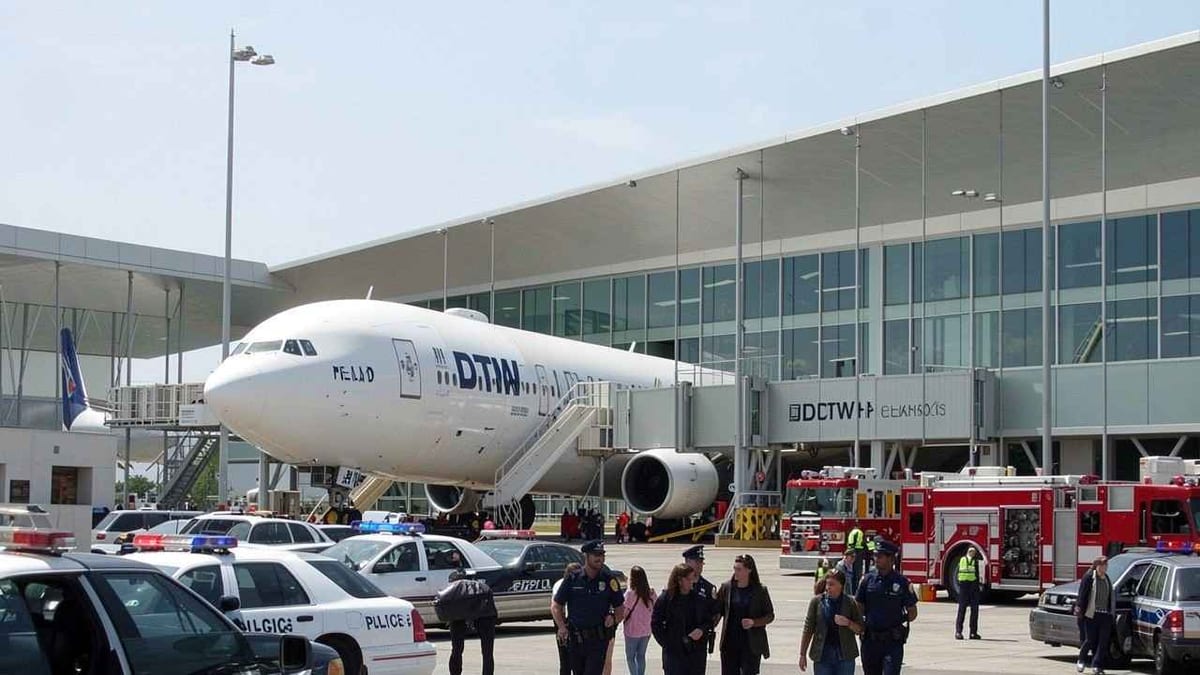
Unplanned Detour on a LaGuardia to Destin Route
Publicly available flight-tracking information indicates that the Endeavor-operated service, marketed under the Delta Connection banner, departed LaGuardia bound for Destin–Fort Walton Beach Airport before changing course en route and landing instead at Dothan Regional Airport in southeast Alabama. The diversion shifted the aircraft away from its intended coastal destination and into a smaller inland facility that also hosts Delta Connection operations.
Reports from flight data services show that the aircraft followed a typical southbound routing along the Eastern Seaboard before turning inland as conditions evolved along the Gulf Coast. While specific operational details were not immediately listed in consumer-facing feeds, the change in destination was registered midflight, a common pattern when crews respond to developing weather, congestion or air traffic control constraints near a destination airport.
According to information compiled from aviation schedule and route maps, Endeavor Air serves a web of regional destinations in the southeastern United States, including points in Alabama and the Florida Panhandle. That existing network likely made Dothan a practical diversion point, providing established ground handling, fueling and crew support for an aircraft that suddenly needed an alternate airport.
Weather, Traffic and Operational Constraints in the Gulf Region
Although no single public source immediately identified a definitive trigger for the diversion, aviation operations in the Gulf Coast and Florida Panhandle are frequently shaped by fast-changing conditions. Thunderstorm cells that form along the shoreline, convective weather inland, and surges in seasonal traffic to beach destinations all contribute to a more volatile operating environment during peak travel periods.
Gulf Coast airports such as Destin–Fort Walton Beach manage a mix of commercial, charter, and military activity, and traffic surges can quickly affect arrival flows. In such situations, airlines often rely on preplanned diversion strategies, sending aircraft to alternates where weather is more stable and runway availability is less constrained. Dothan’s inland location and comparatively lower traffic levels can make it a logical choice when the coastal airfield experiences saturation or unfavorable weather.
Federal aviation planning advisories for the national airspace system regularly reference reroutes, ground delays and diversions across large regions, reflecting how one cluster of storms or a constrained hub can ripple outward across many flights. While these advisories are framed at a system level rather than tied to a single Endeavor flight, they illustrate the type of operational backdrop in which a LaGuardia to Destin service could be redirected to an alternate like Dothan.
Why Dothan Works as a Diversion Airport
Dothan Regional Airport occupies a modest but strategic position in the southeastern United States, with scheduled regional jet service and facilities scaled to handle aircraft similar to those flown by Endeavor. Public route maps and airport listings show that connections from Dothan to larger hubs, including Atlanta, form part of Delta’s broader network, giving airlines flexibility to reposition passengers when nonhub airports along the Gulf experience disruptions.
For a diverted LaGuardia–Destin flight, Dothan offers concrete practical advantages. The airport’s runway length and instrument approach capabilities accommodate typical regional jets used on Delta Connection services, and its existing relationships with Delta’s regional partners mean ground crews, fuel suppliers and basic passenger services are already in place. Those factors can shorten the time an aircraft spends on the ground at an unscheduled stop and ease onward travel arrangements for those on board.
From a passenger perspective, the diversion would likely have transformed a direct New York to beach route into a more complex itinerary involving additional ground time and a subsequent leg to reach the Emerald Coast. However, for the airline’s operations team, turning to an established spoke airport within the same regional ecosystem can be the most efficient way to manage safety, crew duty limits and aircraft utilization when a primary destination is temporarily unavailable.
Regional Jets, Network Flexibility and Passenger Impact
Endeavor Air operates as a fully owned regional subsidiary within the Delta system, flying primarily Bombardier and Mitsubishi CRJ-series aircraft on short and medium-haul routes. Public fleet data and route maps show these aircraft shuttling between hubs like New York, Atlanta and Minneapolis and a constellation of smaller cities, including communities across Alabama and the Florida Panhandle. This structure gives the mainline carrier the ability to shift capacity quickly and to adapt to diversions by leaning on multiple alternates within a region.
When a diversion occurs, however, passengers bear the most immediate impact. Travelers on a LaGuardia to Destin service that pauses in Dothan face uncertainty about arrival times, potential missed ground transfers along the coast, and questions about rebooking if the aircraft or crew cannot continue as planned. Publicly available consumer reports on previous diversions and lengthy tarmac events highlight how quickly a routine schedule disruption can turn into a day-defining travel story for those on board.
At the same time, federal rules and airline contingency plans place clear parameters around extended ground delays and passenger care responsibilities. Endeavor, like other United States carriers, publishes a contingency plan for lengthy tarmac delays that outlines thresholds for providing opportunities to deplane, access to food, water and restrooms, and coordination with airport operators. While the Dothan diversion from LaGuardia to Destin appears to have been a relatively contained schedule change rather than a prolonged delay event, it unfolded within this broader regulatory framework.
A Snapshot of a Complex Summer Travel System
The diversion of an Endeavor-operated Delta Connection flight from LaGuardia to Destin with an intermediate stop in Dothan offers a small but illustrative view into the complexity of modern air travel in the United States. Regional jets like those flown by Endeavor knit smaller communities into the national network, yet they also operate in some of the most weather-sensitive and traffic-intensive corridors, from New York’s constrained airspace to Florida’s popular resort markets.
For travelers, the experience underscores the importance of situational flexibility when flying to congested or weather-prone destinations. An itinerary that begins at a major New York airport and is scheduled to end on the beaches of the Gulf Coast can, under the right mix of conditions, temporarily touch down in an inland Alabama city that many passengers had never heard of before booking their trip.
For the industry, the episode serves as another data point in the ongoing challenge of balancing network efficiency, passenger expectations and safety-first decision making. Diversions like the LaGuardia–Destin detour to Dothan remain relatively rare compared with the thousands of daily departures across the country, but they highlight how quickly route planning, alternates and contingency procedures can shift from theoretical diagrams into very real changes for passengers seated at 30,000 feet.