


More news on this day
Singapore is accelerating the use of artificial intelligence across its metro network, turning to data-driven tools to predict faults, optimise maintenance and keep trains moving more reliably in one of the world’s densest urban rail systems.
Get the latest news straight to your inbox!
From Manual Checks to Predictive Rail Maintenance
Publicly available information shows that Singapore’s rail operators are shifting from traditional, schedule-based maintenance to predictive models that rely on artificial intelligence. Instead of waiting for components to fail or adhering strictly to fixed inspection intervals, new systems analyse vibration patterns, temperature data and historical fault records to flag emerging issues before they disrupt service.
Reports on the city’s metro network indicate that this approach is being applied to critical assets such as track circuits, point machines and power systems, where even minor anomalies can cascade into line-wide delays. By correlating sensor data with past incidents, AI models can recommend targeted interventions, allowing engineers to replace or repair parts during planned engineering hours rather than during peak commuting periods.
Observers note that this transition is particularly significant for Singapore, where rail lines run at high frequencies and overnight maintenance windows are short. AI-enabled planning tools can help crews prioritise the most urgent tasks each night, sequencing work so that the network is ready for the morning rush while reducing the likelihood of last-minute cancellations.
This maintenance evolution aligns with broader efforts to bolster reliability after a series of high-profile disruptions in recent years. As datasets grow and models are refined, analysts expect the predictive capabilities of these systems to improve, potentially reducing both the frequency and duration of incidents that affect commuters.
Control Centres Embrace Real-Time Analytics
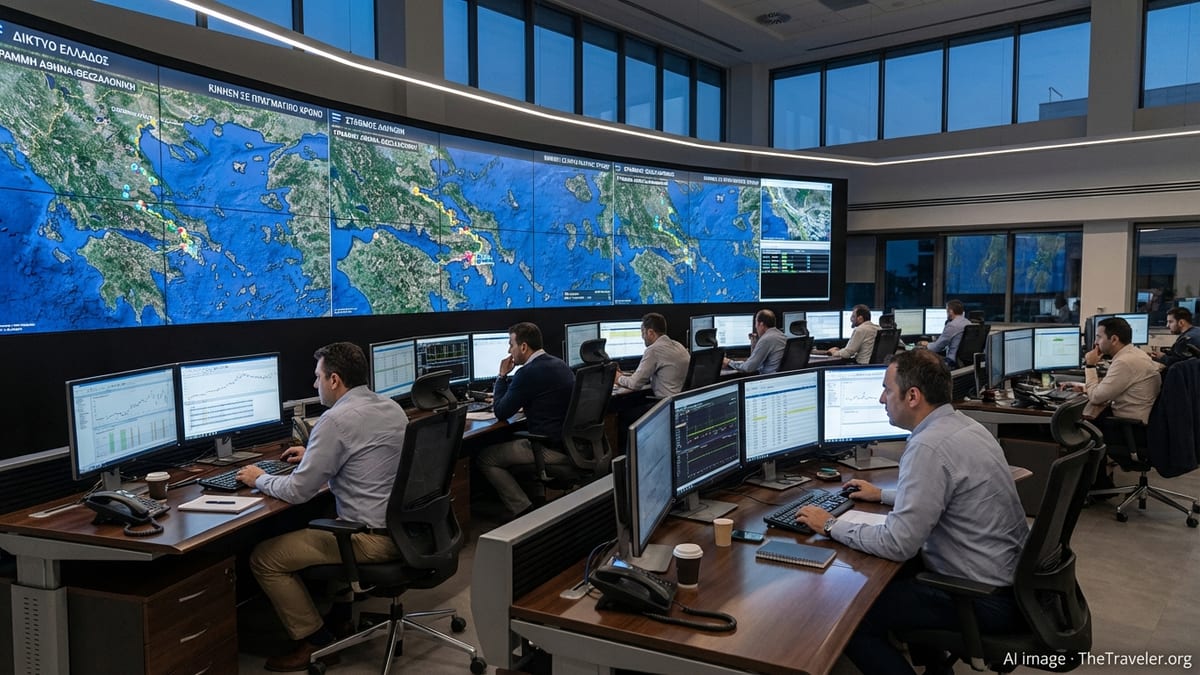
Artificial intelligence is also entering the operations control rooms that coordinate train movements across the island. According to recent coverage of Singapore’s transport sector, rail operators are increasingly using AI dashboards that combine live train positions, passenger loads and asset health indicators into a single view for controllers and planners.
These decision-support tools can, for example, recommend dynamic adjustments to train spacing when a minor delay occurs, helping to prevent congestion from rippling down the line. When disruptions are more serious, AI-driven simulators can propose revised timetables, short-turn services or alternative routing to restore regular headways as quickly as possible.
Some systems are described as providing early-warning alerts when patterns associated with previous incidents begin to appear, such as unusual dwell times at specific stations or repeated speed restrictions over a section of track. By highlighting these anomalies, the technology gives operations teams more time to intervene before a full breakdown or extended delay develops.
Public explanations from the operators frame these tools as augmenting, rather than replacing, human expertise in the control centre. The AI provides recommendations and forecasts, while experienced staff retain responsibility for operational decisions, particularly when safety or complex passenger flows are involved.
Commuters See AI in Service Planning and Customer Experience
Beyond the back-end systems, artificial intelligence is starting to influence how travel demand is forecast and how information is shared with passengers. Surveys reported in local media suggest that a majority of Singapore commuters are open to the use of AI and automation if it leads to more reliable journeys and clearer, timelier updates during disruptions.
Data from fare gates, mobile journey planners and station sensors is being used to train models that anticipate where and when passenger volumes will spike. These forecasts can in turn guide decisions on adding train trips, adjusting first and last train times during events, or coordinating shuttle buses during planned engineering works.
There are also experiments with AI-assisted customer communication, where natural language tools help generate more precise service announcements and notifications. This can make it easier to describe complex incident scenarios in simple, commuter-friendly terms, reducing confusion when lines are partially suspended or rerouted.
While much of this work remains behind the scenes, the cumulative effect may be felt in shorter waiting times, less crowded platforms at pinch points and a smoother flow of information through official apps and station displays during both routine operations and unplanned delays.
Integrated Depots and New Lines Built for Data
Singapore’s new rail infrastructure is being designed with digital operations in mind, creating fertile ground for AI tools. Multi-line facilities such as the East Coast Integrated Depot, developed to support several metro corridors from a single complex, centralise maintenance activities and concentrate data from trains, tracks and equipment.
By aggregating information from multiple lines in one location, engineers can apply common AI models across different fleets and operating environments, spotting systemic issues that might not be apparent when each line is considered in isolation. This also encourages standardised procedures, which can make it easier to scale up successful predictive-maintenance techniques.
Upcoming projects, including new line extensions and cross-border connections, are expected to benefit from this data-centric design philosophy. With modern trains and signalling systems generating large volumes of operational data from day one, there is scope to embed AI into the lifecycle of these assets, from testing and commissioning through to everyday service.
Urban mobility analysts point out that this integrated approach is part of Singapore’s strategy to manage growing ridership while containing operating costs and maintaining high safety standards. The ability to learn from past operations and feed those insights back into planning is seen as a key advantage for a land-scarce city that relies heavily on rail.
Balancing Innovation, Reliability and Public Trust
The expansion of AI in Singapore’s metro network arises against the backdrop of heightened public scrutiny of rail reliability. Periodic disruptions, particularly on newer lines, have sparked debate over the causes of faults and the pace of improvements, making any new technology closely watched by commuters.
Commentary in local outlets suggests that many passengers welcome tools that can reduce breakdowns, provided that safeguards are in place and clear information is available when problems do occur. The challenge for operators is to demonstrate that AI is being used responsibly, with careful validation, cybersecurity protections and contingency plans if automated systems fail.
Industry observers note that Singapore’s operators are also sharing knowledge with international partners as part of broader efforts to benchmark performance and adopt best practices in digital rail management. This exchange can help refine algorithms, stress-test new applications and ensure that deployments are grounded in real-world operating experience rather than laboratory conditions alone.
As AI becomes more embedded in everything from maintenance scheduling to crowd management, its success will likely be measured not by headline-grabbing innovations but by quieter gains in punctuality, comfort and confidence. For daily riders of Singapore’s metro, the most visible sign that the technology is working may simply be a journey that feels predictable, even as the systems behind the scenes grow increasingly complex.