


More news on this day
EUROFIMA has approved fresh financing for Bulgarian state rail operator BDZ, a move that will channel several million euros into upgrading passenger rolling stock and bolstering long-distance services across the country.
Get the latest news straight to your inbox!
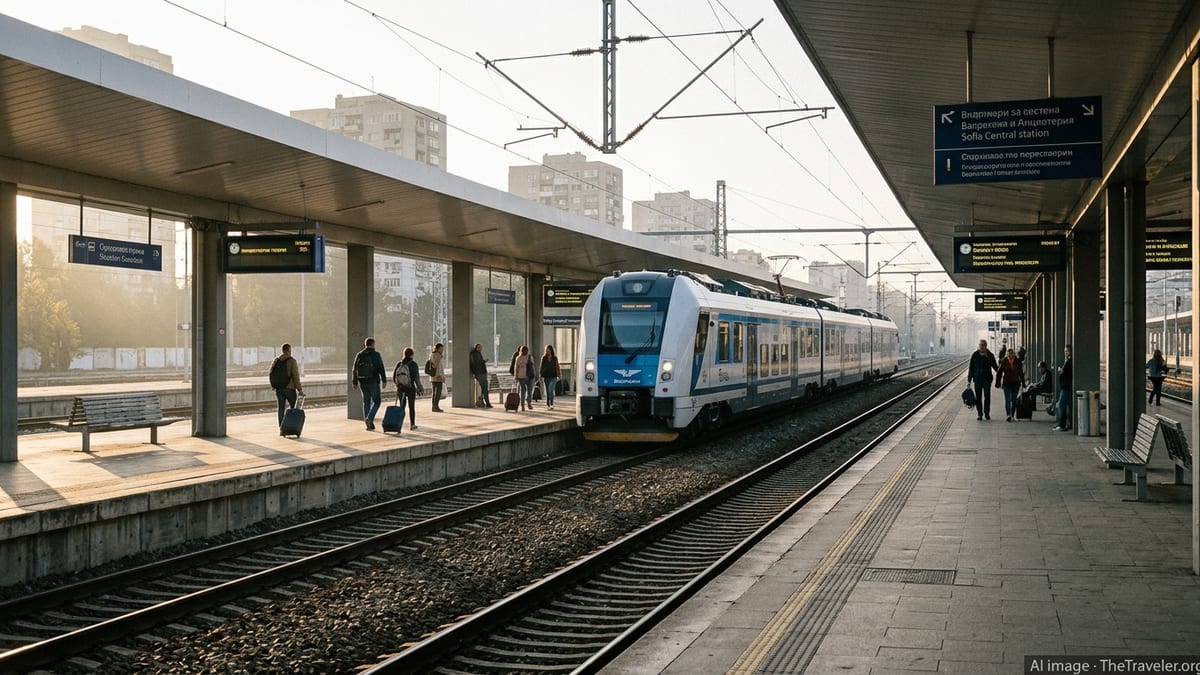
New disbursement builds on 2026 framework agreement
According to information published by EUROFIMA, the latest operation involves a new disbursement of 4.5 million euros to BDZ Passengers EOOD, the national passenger rail division. The financing forms part of a broader framework arrangement concluded in early April 2026 between the Basel based supranational lender and the Bulgarian operator, which envisages total support of up to 22 million euros.
Publicly available documents indicate that the framework agreement is structured in several tranches, providing BDZ with phased access to funds as specific investment milestones are reached. The first tranche, amounting to 8.1 million euros, was scheduled for disbursement on 1 April 2026 with a tenor of 10 years, giving the railway a relatively long horizon for repayment while it brings the refurbished vehicles into service.
The new 4.5 million euro allocation adds to that initial tranche and marks EUROFIMA’s second financing step for BDZ under the 2026 package. Reports describe the lender’s role as part of a long running relationship with its shareholder railways, whereby the institution raises funds on capital markets and channels them into passenger rolling stock investments across Europe.
Information on EUROFIMA’s corporate materials underlines that the organization operates on a non profit maximizing basis and focuses on long term rolling stock finance. The latest support for BDZ fits into this mandate by backing assets that are expected to remain in service for at least a decade and contribute to modal shift away from private car use on key corridors within Bulgaria.
Financing tied to acquisition of used German railcars
Coverage in Bulgarian business media and procurement databases shows that the EUROFIMA backed facility is closely linked to BDZ’s plan to acquire second hand passenger coaches from Germany. BDZ Passengers has concluded a supply contract with DB Fernverkehr covering used intercity railcars, which are intended to be refurbished and redeployed on domestic and cross border routes.
Reports indicate that the framework of up to 22 million euros is being used primarily to fund the purchase of a first batch of around three dozen used coaches, together with associated works needed to adapt the vehicles for Bulgarian and regional operating conditions. This approach allows BDZ to expand and modernize its passenger fleet faster than would be possible through a large scale order of new rolling stock, which typically involves longer delivery times and higher capital costs.
Publicly available information suggests that the total value of the contract has come in below earlier budget estimates, reflecting the secondary market pricing of the vehicles and the structure of the finance package. For EUROFIMA, the transaction aligns with its practice of funding both newly built and pre owned passenger coaches, provided that the assets contribute to more sustainable rail services.
The use of second hand, but modernized, coaches is seen by rail analysts as a pragmatic way for Central and Eastern European operators to respond to rising passenger demand while managing constrained public budgets. Leveraging multilateral finance in this segment allows operators such as BDZ to refresh their fleets in stages rather than waiting for a single flagship procurement.
Support for national and regional connectivity goals
The new financing to BDZ comes as Bulgaria seeks to improve the reliability and attractiveness of its rail network, particularly on intercity and cross border routes linking Sofia with other major urban centers and neighboring countries. Policy documents and sector commentary highlight persistent challenges related to aging rolling stock, service punctuality, and customer comfort.
By targeting passenger coaches instead of infrastructure, the EUROFIMA facility is expected to have a relatively rapid impact on the travel experience. Refurbished vehicles can be introduced onto existing routes once technical approvals are in place, offering upgraded interiors, better climate control and enhanced accessibility compared with some of the oldest coaches still in service.
Observers note that improvements to rolling stock are increasingly viewed as an essential complement to ongoing infrastructure modernisation projects financed through European Union and national funds. While track and signaling upgrades can raise line speeds and capacity, passengers are directly affected by the quality of the trains they board each day. The BDZ programme aims to bridge both aspects by pairing improved vehicles with the gradual renewal of key corridors.
The availability of long term, dedicated rolling stock finance also reduces pressure on annual state budgets. Instead of relying solely on direct subsidies or short term loans, BDZ can spread investment costs over the economic life of the assets, aligning repayments with the period in which the coaches are generating passenger revenue.
Part of EUROFIMA’s wider sustainable mobility strategy
The Bulgarian transaction sits within a broader sequence of financings announced by EUROFIMA across Europe in 2025 and 2026. Recent disclosures point to new loans and bond investments for railways in Italy, Spain, Montenegro, Croatia and other member states, many of which are framed within the institution’s green financing and sustainability strategy.
EUROFIMA’s published impact and allocation reports describe how its funding is increasingly tied to rolling stock that supports decarbonisation objectives, including electric multiple units, low emission locomotives, metro trains and passenger coaches compatible with cleaner traction. While the BDZ operation is focused on used intercity coaches, the vehicles are expected to operate on electrified or progressively modernised lines, contributing to lower per passenger emissions relative to road transport.
The organization’s funding strategy sets out a preference for euro denominated green bonds as a core financing tool, with proceeds earmarked for eligible rail investments. This structure is designed to appeal to investors seeking sustainable assets while ensuring that national railways benefit from competitive borrowing costs through EUROFIMA’s access to capital markets.
Analysts following multilateral lenders point out that smaller transactions such as the BDZ package illustrate how supranational institutions can complement large, headline infrastructure schemes. By concentrating on the passenger experience and the rolling stock that directly delivers public transport services, these financings help national operators accelerate practical improvements even when broader network upgrades are still underway.
Implications for passengers and future fleet renewals
For travelers in Bulgaria, the most visible outcome of the latest EUROFIMA support is likely to be a gradual introduction of refurbished coaches on key long distance routes. Passengers can expect more modern interiors than many of the legacy vehicles still in use, together with incremental enhancements in comfort during longer journeys.
Sector observers suggest that the success of this initial framework may influence how BDZ approaches future fleet renewals. Demonstrating that second hand, upgraded vehicles financed through an international partner can reliably serve busy routes could encourage further hybrid strategies that mix new builds with high quality used stock.
At the same time, the financing underscores the continued role of specialized rail lenders in helping smaller and medium sized operators access long tenor funding. With pressure mounting across Europe to shift more passengers from road and air to rail, the ability of companies such as BDZ to secure stable, affordable capital is likely to remain a central factor in meeting national and European transport policy goals.
As additional tranches under the 2026 framework are activated, market watchers will be looking at how quickly BDZ can complete refurbishments, deploy the coaches into regular service and translate the investment into measurable gains in ridership and service quality across Bulgaria’s rail network.