


More news on this day
Rail companies across Europe are rolling out tickets that double as discount passes for water parks, spa resorts and zoos, creating new incentives for travelers to leave the car at home this summer.
Get the latest news straight to your inbox!
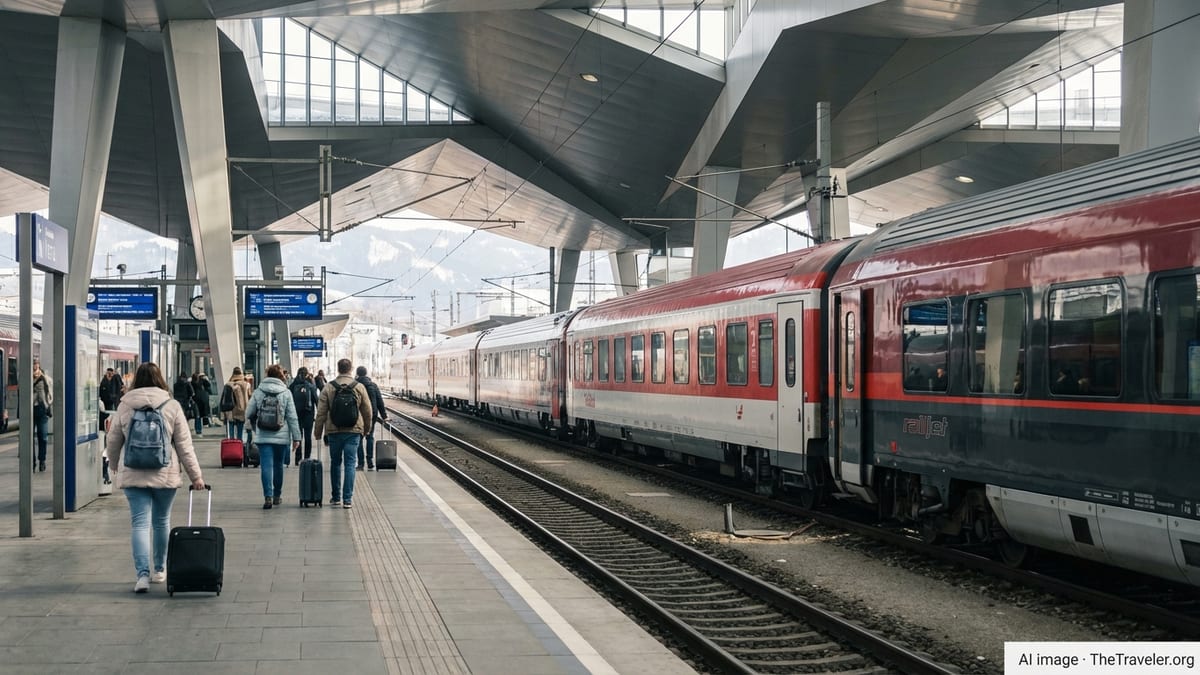
From commuter pass to leisure passport
Publicly available information shows that several regional transport networks in Germany and Austria have expanded so called “Freizeit” or leisure tickets, turning everyday rail passes into broader day out products. In Berlin and Brandenburg, the VBB network promotes an add on Freizeit Ticket that lets regular pass holders roam the entire region on afternoons, weekends and school holidays, positioning it as ideal for outings to lakes, amusement parks and zoos scattered across the network.
In western Germany, transport associations highlight similar leisure focused tickets that cap the cost of regional train travel on weekends and public holidays. While these offers primarily bundle unlimited rail and bus travel, marketing material increasingly points to reduced price partnerships with local attractions, from family friendly swimming complexes to wildlife parks located at the end of branch lines.
Rail marketing experts note that such products sit at the intersection of tourism promotion and climate policy, encouraging residents and visitors to reach leisure destinations without a car. Academic research on discounted public transport, including recent work on Austria’s nationwide KlimaTicket, indicates that cheaper and simpler rail offers can trigger a measurable shift from private vehicles to trains for non work trips.
For rail operators, leisure tickets are also a way to make better use of off peak capacity. Day trippers heading to spas or animal parks tend to travel outside the rush hour, filling seats that would otherwise remain empty and generating additional revenue without the need for more trains.
Bundled train and theme park deals gain traction
Beyond broad regional passes, some rail companies now market integrated tickets that include both train travel and entry to specific parks. In Germany’s southwest, a cross border subsidiary of Swiss Federal Railways advertises a RailCoaster package that combines return rail travel from cities such as Zurich and Basel with shuttle transfer and park admission to the Europa Park resort near Ringsheim. Promotional material describes a single ticket that covers the full journey and entry, with discounted prices for children.
These bundled offers resemble traditional package tours in a digital, rail based format. Travelers can purchase one product for what used to be a more complex chain of bookings: an intercity or regional train ticket, a local bus or shuttle, and a separate admission pass for the park. For families, the appeal lies not only in headline discounts but also in the predictability of costs before departure.
Reports from tourism boards in several European regions point to similar collaborations between local railways and water parks or spa resorts, particularly in areas where thermal baths have long been a draw. In such cases, the train ticket may not include full admission but can unlock reduced price entry or free extras, such as extended spa time or complimentary locker use, when presented at the front desk.
Industry observers suggest that, as dynamic pricing becomes more common for both rail and attractions, all inclusive day trip tickets are a way to preserve a sense of simplicity for consumers. Fixed price bundles can shield passengers from peak day surcharges, while operators secure advance bookings and more predictable visitor flows.
Zoos and wildlife parks join rail loyalty schemes
Partnerships between rail operators and zoos are also expanding. In Spain, the state owned operator Renfe recently announced a cooperation agreement designating it as the official train provider for Terra Natura, a zoological park in Benidorm. According to the published announcement, the deal runs through the end of 2026 and is intended to promote both rail travel and visits to the zoo, with marketing material flagging special promotions for visitors arriving by train.
In practice, these promotions often take the form of percentage discounts on entrance tickets or combined rail and zoo packages available through the railway’s ticketing channels. Travelers who hold specific long distance or regional tickets may be eligible for reduced price admission simply by presenting their proof of travel at the zoo’s ticket counters on the same day.
Elsewhere in Europe, regional transport associations compile leisure guides that list partner zoos and animal parks offering reduced entry to rail passengers. In some German states, owners of certain monthly or annual passes can bring children to participating zoos at lower cost on weekends. Similar arrangements have been reported around major cities where suburban rail lines terminate near large wildlife parks.
These partnerships align with broader efforts by zoos to market themselves as day trip destinations for families without cars. By highlighting the ease of reaching their gates by train and the added lure of ticket discounts, zoos aim to attract visitors who might otherwise opt for out of town shopping centers or more car oriented attractions.
Water parks and spa resorts test rail linked discounts
Water parks and spa resorts, many located in rural or peri urban areas, are also experimenting with rail linked promotions. In several German regions, leisure tickets and regional passes are promoted alongside images of outdoor pools and wellness complexes, signaling informal partnerships where visitors receive small discounts or added value services when they arrive with a valid rail ticket.
Local tourism offices in spa towns reachable by regional trains have started to emphasize combined offers in their English and German language materials. Examples include day packages where the rail component is sold at a reduced fare, while participating thermal baths provide discounted admission or bundled treatments for rail passengers. Travelers are typically required to show a same day ticket at the spa reception to qualify.
Although these discounts can be modest compared with overall spa prices, they can tip the balance for price sensitive weekend travelers deciding between driving and taking the train. For operators, welcoming guests who arrive by rail can also ease pressure on limited parking facilities and support municipal sustainability goals.
Seasonal campaigns often intensify these incentives during school holidays and hot weather spells, when water parks see peak demand. Some marketing materials frame the train journey itself as part of the relaxation experience, contrasting a stress free rail ride with congested motorways and full car parks.
What travelers should know before booking
For travelers considering these new ticket types, the key message from consumer advocates is to read the conditions carefully. Many leisure and combination tickets are valid only on specific regional services, on certain days of the week, or within tightly defined zones. Discounts at water parks, spas and zoos may apply only on the day of travel and sometimes require presentation of an original paper or digital ticket, not just a screenshot.
Another point highlighted in public guidance is that some bundled tickets are sold only through the railway’s own platforms or at staffed ticket counters, rather than through third party booking sites. This can make them easy to miss for visitors who rely solely on popular journey planner apps that prioritize standard point to point fares.
Travel experts also suggest comparing the all in price of a combined rail and attraction ticket with separate purchases, especially for families or groups. In some cases, off peak rail offers and independent online discounts from attractions can undercut the package price. In other situations, particularly when shuttle transfers are included, the integrated ticket still represents clear value and convenience.
Despite these complexities, the growing number of rail linked offers points to a broader shift in how European train operators position themselves. Rather than selling only transport from A to B, they are increasingly marketing full leisure experiences, with rail tickets doubling as keys to discounted fun at water parks, spa resorts and zoos across the continent.