


More news on this day
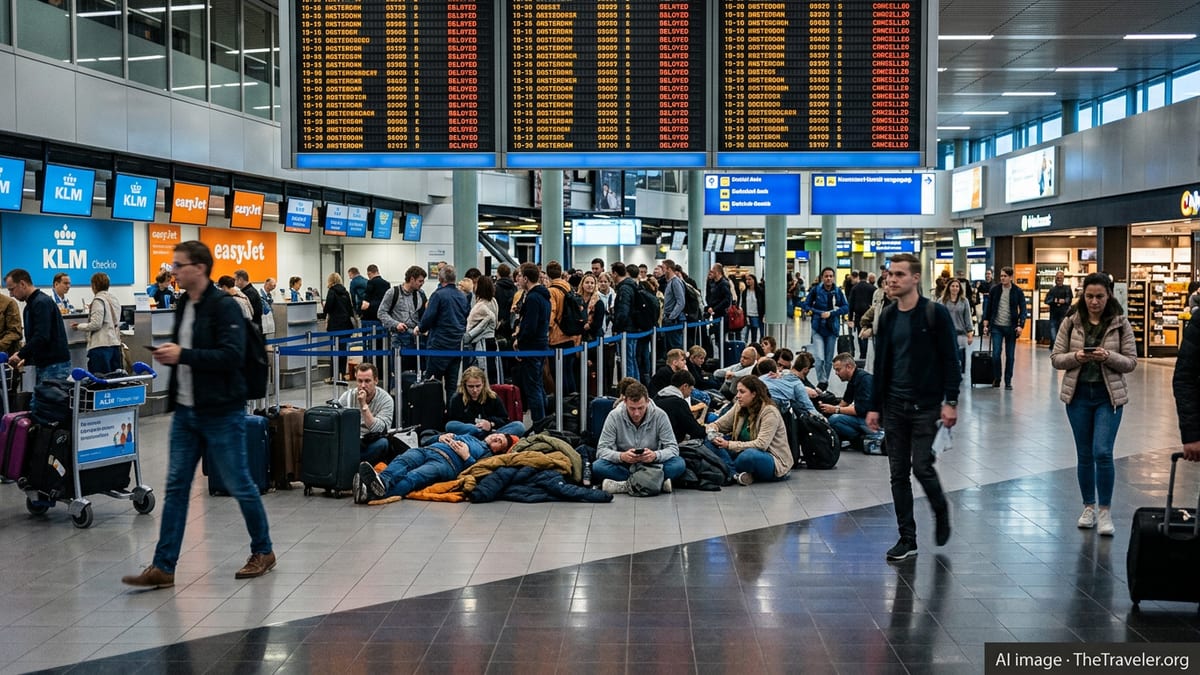
Passengers across Europe faced another bruising travel day in mid June as more than 80 cancellations and at least 576 delays rippled through schedules at major hubs, disrupting operations at Virgin Atlantic, British Airways, KLM, SAS and Air Canada.
Get the latest news straight to your inbox!
Weather, Capacity Strains and Knock-On Disruption
Publicly available flight tracking and airport departure boards for mid June indicate a fresh wave of disruption across Europe, with a cluster of weather systems and capacity constraints driving delays and cancellations for some of the region’s best known airlines. Thunderstorms and low visibility in parts of Western Europe have combined with already tight schedules to create bottlenecks on key routes, particularly around London, Amsterdam, Copenhagen and major Scandinavian hubs.
Operational data for the period show that more than 80 flights operated by or scheduled under the banners of Virgin Atlantic, British Airways, KLM, SAS and Air Canada were cancelled across European airports, while at least 576 services experienced delays ranging from minor hold ups to multiple hours. The disruptions impacted both short haul European sectors and long haul transatlantic links, leaving aircraft and crew out of position and complicating efforts to restore normal timetables.
Network performance reports for the European region already highlight how quickly the system can become unstable once weather and capacity issues coincide. When individual hubs implement ground delay measures or flow restrictions, aircraft are rerouted or held on the ground, which in turn leads to missed connections, rolling crew duty time limits and further cancellations as the day progresses.
Travelers connecting between Europe and North America were particularly vulnerable, with late arriving feeder flights into major hubs such as London Heathrow and Amsterdam Schiphol causing some passengers to miss onward long haul services. In several cases, passengers reported being rebooked onto flights one or even two days later after missing tightly timed connections.
Virgin Atlantic and British Airways Feel Heathrow Pressure
At London Heathrow, publicly accessible arrival and departure boards showed a marked build up of delays on a number of Virgin Atlantic and British Airways services, especially on heavily trafficked North Atlantic routes. Rolling weather disruptions and air traffic flow management measures have reduced runway throughput during peak waves, impacting early morning arrivals and late afternoon departures that are central to both carriers’ schedules.
Virgin Atlantic, which concentrates most of its operations at Heathrow, was forced to cancel a series of flights and adjust timings on others. When one departure wave is thinned out, it can create an imbalance between aircraft and crews that reverberates throughout the day. Industry experience indicates that even a few cancelled or severely delayed long haul departures can strand hundreds of passengers at a time and complicate repositioning plans for the following morning.
British Airways, the largest user of Heathrow slots, has also been contending with a challenging operating environment. Historical punctuality data already show that long haul services can be vulnerable to modest upstream delays and congestion at the airport. In recent days, reports from passengers describe extended waits at gates, late inbound aircraft and instances where missed connections between regional feeders and intercontinental departures have required extensive rebooking and overnight accommodation.
The pressure at Heathrow has been compounded by strong seasonal demand as Europe moves into the main summer travel period. Airlines have sought to operate near full schedules, leaving limited margin to absorb unexpected disruption. When combined with weather constraints and airspace restrictions, the result has been a higher than usual proportion of flights operating behind schedule.
KLM and SAS Grapple With Northern European Bottlenecks
Further north, KLM and SAS have faced their own set of challenges. Data from Amsterdam Schiphol’s departure boards over recent days point to clusters of disrupted KLM services, particularly on European short haul links and selected long haul departures. Cancellations and extended delays on busy routes have been attributed to a mix of factors, including earlier weather issues, congestion in nearby airspace and tight turnaround times.
Independent analyses of European flight performance this spring already flagged a rise in short haul cancellations across the continent. KLM’s hub model, which depends on tightly timed waves of arrivals and departures, is especially sensitive to disruption affecting even a small number of feeder flights. When one inbound sector arrives significantly late, passengers with onward connections can miss their flights, pushing airlines to rebook them on already crowded services later in the day.
SAS, which operates from hubs in Copenhagen, Stockholm and Oslo, has likewise been operating in a constrained environment. Weather disruptions in Northern Europe, including shifts in wind patterns and periods of reduced visibility, have at times led to restrictions on movements at key airports. As with other carriers, this has translated into a mixture of short notice cancellations and rolling delays across intra European services, impacting both business and leisure travelers.
These operational pressures come as Scandinavian and Benelux carriers continue to balance demand recovery with renewed cost discipline. Recent schedule adjustments and fleet changes mean there is less spare capacity on hand, reducing flexibility when irregular operations take hold.
Air Canada Links Caught in Transatlantic Turbulence
Air Canada, which operates multiple daily services linking Canadian cities with London, Paris, Amsterdam and other European hubs, has also been swept up in the latest spell of disruption. Ground delay programs and weather related restrictions on both sides of the Atlantic have forced adjustments to departure times and, in some instances, the cancellation of flights when crew duty limitations or aircraft rotations could no longer be maintained.
Passengers connecting from European feeder flights to Air Canada’s transatlantic departures have reported misconnected itineraries and last minute changes to routings, sometimes involving rerouting through alternative hubs or extended layovers. When individual long haul services are delayed by several hours, the timing of onward domestic connections in Canada is also affected, amplifying the impact of a single disruption.
The transatlantic corridor remains one of the most competitive and heavily trafficked markets in global aviation, and carriers typically aim to run at high load factors. When flight irregularities occur, it can be difficult to find spare seats on the same day, particularly in peak travel weeks. Travelers caught up in the June disruptions have in some cases been rebooked onto flights operating one or two days later than originally planned.
Operational data from North American air traffic management centers underline the role of thunderstorms and convective weather in triggering delays at major gateways. When those disruptions coincide with European capacity constraints, the knock on effects can be felt across the entire North Atlantic network.
What Travelers Can Expect in the Coming Weeks
The latest bout of cancellations and delays underscores how fragile summer peak schedules can be when weather and capacity constraints converge across multiple regions. While overall European aviation performance has improved compared with the most acute disruption seen in previous years, the system remains highly sensitive to localized shocks that quickly propagate through interconnected networks.
Travelers planning to fly with Virgin Atlantic, British Airways, KLM, SAS or Air Canada in the coming weeks are likely to face a continued risk of last minute schedule changes, particularly on days when thunderstorms or low visibility are forecast for major hubs. Publicly available guidance from airlines and airports consistently encourages passengers to monitor their flight status closely, allow generous connection times and remain prepared for potential overnight stays if connections are missed.
Consumer advocacy groups point out that, under European air passenger regulations, travelers affected by cancellations and long delays may have rights to care and, in certain circumstances, financial compensation, depending on the cause of the disruption and the notice provided. However, determining eligibility can be complex, especially when weather, airspace restrictions and operational issues overlap.
For now, the June flight chaos serves as a reminder that even as airlines rebuild capacity and refine schedules, Europe’s air travel system still operates near its limits during peak periods. When weather or capacity shortfalls occur, the resulting disruption can spread quickly across carriers and continents, leaving thousands of passengers relying on rebooking systems, hotel vouchers and improvised travel plans to reach their destinations.