


More news on this day
Passengers across Europe are facing another day of significant disruption as a fresh wave of air traffic constraints and operational bottlenecks delays more than 1,550 flights and cancels at least 28 services, snarling connections on British Airways, KLM, easyJet and other carriers through major hubs including Madrid and Rome.
Get the latest news straight to your inbox!
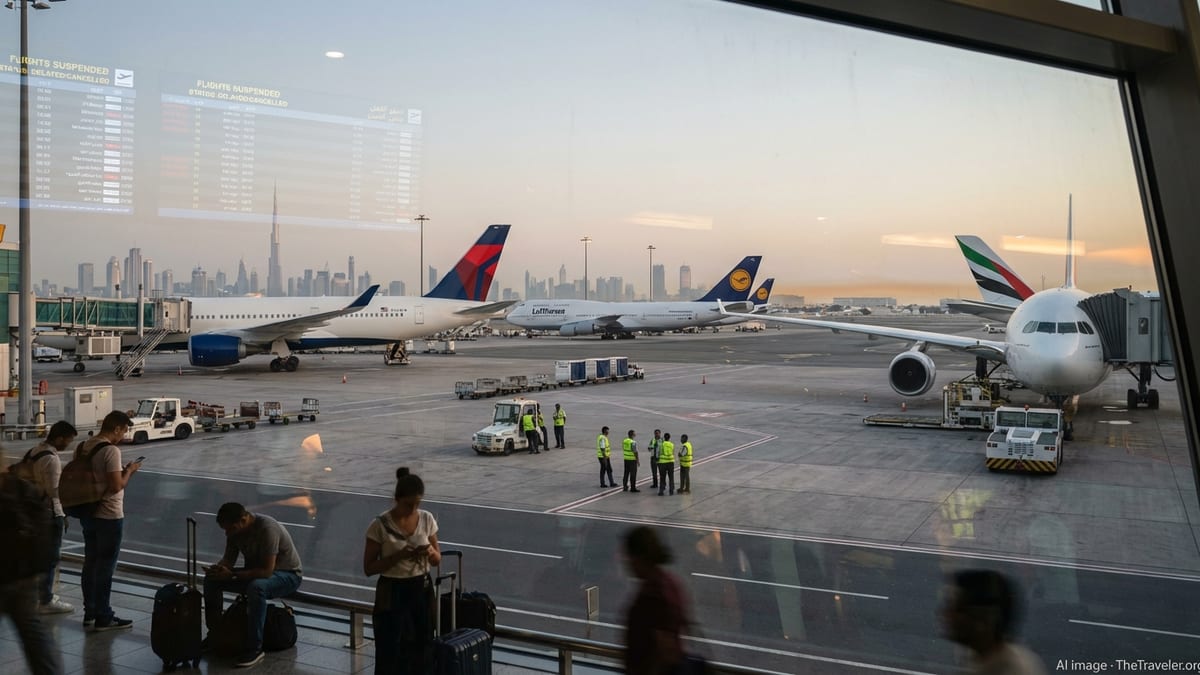
Ripple Effects From Strikes, Staffing And Capacity Limits
Recent industrial action in Belgium, combined with continuing air traffic control and staffing constraints in several European countries, has left airlines operating with little margin to absorb disruption. Reports indicate that a nationwide air traffic control walkout in Belgium early this month temporarily halted most flights in the country’s lower airspace, forcing widespread cancellations and diversions across the network as services were rerouted or delayed into adjoining regions.
At the same time, Eurocontrol data and industry analyses show that structural air traffic management delays remain elevated across key parts of the European network. Air navigation service providers in Portugal and other states continue to record above average en route delays, putting pressure on busy corridors that link the Iberian Peninsula with northern Europe. When traffic peaks or weather deteriorates, controllers often impose spacing measures that quickly cascade into rolling delays.
Operational performance reports tracking major European carriers also highlight how quickly these constraints translate into passenger disruption. British Airways, KLM and easyJet all feature prominently in monthly statistics for air traffic related delays, a pattern that reflects their reliance on congested hubs and dense intra-European schedules. Once flights start running late, knock-on effects can spill into subsequent rotations for the rest of the day.
Industry commentators note that this summer’s traffic volumes are running close to or above pre-pandemic levels on many routes, leaving airports and airlines more exposed to any shock. Even limited strikes, short staffing in ground operations or brief capacity restrictions in a single country can now generate ripple effects that move rapidly across the continent.
Madrid, Rome And Other Hubs Struggle To Recover
Large connecting hubs such as Madrid Barajas and Rome Fiumicino are bearing the brunt of the latest disruption. Network reports show both airports handling more than a thousand daily movements in peak periods, with dense banks of intra-European departures tied closely to transatlantic and long haul arrivals. When inbound services run late or are cancelled, downline flights often face rolling delays as aircraft and crew are repositioned.
Publicly available tracking data for recent days highlights clusters of late departures on routes linking Iberian and Italian gateways with northern Europe. Flights between Lisbon, Madrid and Rome, as well as services onward to Amsterdam, London and Scandinavian capitals, have seen repeated holding patterns and late pushbacks as controllers manage capacity through weather and traffic surges. Even when cancellations are limited, widespread delays can make it difficult for passengers to maintain tight connections.
Airports in Portugal have been particularly sensitive to schedule pressure. A recent analysis of performance at Porto, for example, placed the northern Portuguese hub among Europe’s worst performers for prolonged delays, pointing to frequent hold ups on services to Madrid and Amsterdam. With traffic now at summer peaks, similar strains are emerging across the national network, affecting both domestic and international links.
In Italy, Rome Fiumicino remains a critical node for flows between southern Europe and the rest of the continent. When rotations to and from Rome are rescheduled or held on the ground, the impact quickly reaches carriers using the airport as a connection point, from flag carriers to low cost operators moving leisure travellers to Mediterranean destinations.
British Airways, KLM, easyJet And Others Forced To Trim Schedules
In response to the operational squeeze, several major airlines have quietly trimmed flights or built extra slack into their schedules to cope with repeated air traffic control restrictions. Aviation analytics platforms tracking day by day performance in early June show a patchwork of cancellations and delays for leading European brands, including British Airways, KLM, easyJet, Air France and regional partners.
One recent snapshot of disruption across European and Mexican hubs counted more than 60 cancelled flights and over 500 delayed services in a single day for a group of large carriers, with KLM, easyJet and British Airways among those affected. While not all of those flights were within Europe, the figures illustrate the scale of the challenge as airlines juggle aircraft availability, crew hours and congested airspace.
Separate monitoring of activity at Amsterdam Schiphol, KLM’s main hub, recorded hundreds of delays and more than twenty cancellations within a 24 hour period in early June. The disruption quickly spilled over to partner airlines and connecting airports, including Madrid and Rome, as late arriving aircraft missed their allocated departure slots, forcing further waits or tactical cancellations to reset the schedule.
Low cost carriers, which typically operate with tight turnaround times and high aircraft utilisation, are especially vulnerable when air traffic control adds even modest spacing measures. Once a first wave of rotations runs late, subsequent departures can be pushed back by hours, leaving operators with few spare aircraft to plug gaps if a flight must be cancelled entirely.
Why 1,550 Delays And 28 Cancellations Matter For Travellers
On paper, a figure of 1,550 delayed flights and 28 cancellations across the European network in a day represents only a fraction of total movements. For individual travellers, however, these numbers translate into long queues at check in, missed connections and anxiety about onward plans. A single late departure from Lisbon or Brussels can mean a missed evening flight from Madrid or Rome, turning a same day journey into an unplanned overnight stay.
Passenger rights regulations in Europe, including the EC 261 and UK 261 frameworks, offer compensation or refunds in some cases, particularly when delays exceed set thresholds or flights are cancelled at short notice. Consumer advocates point out, however, that air traffic control restrictions and certain types of industrial action can fall into categories considered beyond the airline’s control, limiting eligibility for payouts and leaving travellers reliant on rebooking options instead.
Travel advisers recommend that passengers build additional buffer time into itineraries that rely on tight intra-European connections, especially on routes touching known congestion points such as Amsterdam, Brussels, Madrid and Rome. Booking earlier departures in the day, when schedules are less affected by accumulated delays, can also reduce the risk of misconnecting later in the evening.
Experts also highlight that disruption often clusters around peak holiday travel dates and weekends, when leisure demand is highest. Travellers able to shift trips to midweek or off peak hours may have a better chance of avoiding the worst of capacity related delays, even when air traffic control restrictions remain in place.
What Passengers Can Do As Summer Disruption Builds
With forecasts pointing to sustained high traffic levels through the European summer, analysts expect further days of heavy disruption as weather, strikes or technical issues collide with near full schedules. While airlines and airports are adjusting staffing and infrastructure where possible, structural constraints in airspace management and runway capacity are unlikely to ease quickly.
Passengers planning trips that involve Madrid, Rome or other busy hubs are being encouraged by travel industry guidance to monitor flight status closely in the 24 to 48 hours before departure. Airline apps and airport information feeds can give early warning of creeping delays, allowing travellers to adjust ground transport or seek alternative routings before queues build at customer service desks.
Those with critical time sensitive commitments, such as cruises, tours or events, may wish to consider arriving at their starting point at least a day early rather than relying on tight same day connections. Travel insurance policies that explicitly cover missed connections and extended delays can also provide a financial backstop when schedule disruptions lead to extra hotel nights or replacement tickets.
For now, the combination of 1,550 delayed flights and 28 cancellations is a snapshot of a wider pattern rather than an isolated incident. As peak season approaches, the experience of passengers transiting through Portugal, Belgium, Norway and other affected countries is likely to be a bellwether for how resilient Europe’s aviation system will prove in the face of another challenging summer.