


More news on this day
Shifting global travel patterns are directing fresh European attention toward India in 2026, as tour operators and tourism data point to growing demand for heritage experiences and warm‑weather beach escapes across the country.
Get the latest news straight to your inbox!
Europe’s Outbound Rebound Meets India’s Tourism Push
Recent international tourism figures show Europe maintaining its position as the world’s largest source and destination region for travel, with international arrivals to the continent surpassing 740 million in 2024 and continuing to edge upward in early 2026. As more Europeans look beyond their home region for long‑haul holidays, industry observers note that India is emerging as a beneficiary, helped by its combination of cultural depth, relatively favorable prices and improving air links.
India’s own tourism statistics point to a recovery that is increasingly supported by long‑haul markets. Publicly available data from the Ministry of Tourism and planning agencies highlights a broad rebound in foreign tourist arrivals through 2024 and 2025, alongside record domestic travel. Analysts tracking those numbers say that while traditional source markets such as the United States remain strong, European countries together account for a significant and growing share of inbound arrivals.
Policy initiatives are playing a supporting role. India’s e‑visa system, expanded over the past decade to cover a wide range of nationalities, remains central to attracting leisure travelers, including those from Europe. At the same time, Indian tourism authorities have invested in overseas marketing campaigns and in upgrading key heritage and coastal destinations, aiming to position India as a year‑round choice for Europeans seeking culture, nature and winter sun.
Tourism development schemes targeted at “iconic” destinations are particularly relevant to European travelers, who surveys suggest are increasingly interested in authentic, place‑specific experiences. Publicly available government information shows new funding streams for heritage cities, spiritual circuits and coastal regions, signaling that infrastructure and visitor facilities are likely to improve further through the 2026–27 seasons.
Visa Shifts and Mobility Agreements Reshape Flows
Cross‑border mobility rules between India and Europe have been evolving on both sides, subtly reshaping travel flows. On the European end, the introduction of a so‑called visa “cascade” has made it easier for frequent Indian travelers to obtain multi‑year, multiple‑entry Schengen visas, according to European Commission documentation and subsequent coverage. While this framework is aimed primarily at Indian nationals visiting Europe, it has contributed to a closer mobility relationship that tourism analysts say is now working in both directions.
European institutions have also highlighted the growth in Schengen visas issued in India, surpassing the one‑million mark in 2024, as part of wider efforts to deepen EU‑India ties. Policy papers describe mobility and people‑to‑people exchanges as a pillar of that cooperation, and tourism operators view leisure travel as an important component. Industry observers say that as more Indians become familiar with Europe, a reciprocal curiosity about India among European travelers is being cultivated through joint cultural years, film festivals and destination partnerships.
On India’s side, authorities have incrementally restored and liberalized electronic tourist visas after the pandemic, with most major European nationalities once again eligible to apply online for short‑term stays. Reference documents on India’s visa policy show that a broad list of European Union and Schengen‑area countries can obtain e‑tourist visas, offering a streamlined alternative to traditional consular processes. For European visitors planning multi‑country trips in Asia, this ease of entry is becoming a key differentiator as some competing destinations maintain stricter regimes or higher fees.
Looking ahead to late 2026, travel planners are also watching the phased rollout of new European border systems, such as the European Travel Information and Authorisation System for visa‑exempt travelers, which may alter patterns of where Europeans choose to holiday and when. Some analysts suggest that as border formalities for certain short‑haul trips grow more complex, long‑haul destinations like India, where visa requirements are already clearly established, could appear relatively more straightforward for well‑planned journeys.
Heritage Cities Draw Culturally Motivated Europeans
Across India’s historic cities, tourism boards and local businesses are reporting rising interest from European travelers in itineraries centered on architecture, food and living traditions. Data from India’s official tourism compendiums indicates that Western and Northern European markets, though smaller than some regional neighbors by volume, are punching above their weight in terms of spend and length of stay, particularly in heritage‑rich states such as Rajasthan, Uttar Pradesh and West Bengal.
Tour operators active in these regions describe a shift away from purely checklist sightseeing toward slower, more thematic trips. Multi‑night stays in old city quarters, walking tours of historic bazaars, and workshops with craftspeople are increasingly woven into itineraries that once focused mainly on landmark monuments. Publicly available reports on global travel trends for 2026 also point to growing demand for “immersive” and “responsible” experiences, a pattern that aligns with India’s efforts to promote homestays, community‑run heritage walks and rural extensions from major urban hubs.
India’s government has continued to channel investment into conservation and visitor amenities at well‑known sites, from Mughal‑era complexes in North India to colonial and temple architecture in the south and east. According to planning documents and tourism strategy papers, projects under national heritage and pilgrimage circuits are designed to improve access roads, signage, lighting and interpretation centers, aiming to distribute tourist traffic more evenly across seasons and regions.
For European travelers contending with overtourism in parts of southern Europe, this combination of upgraded infrastructure and still‑developing visitor numbers is proving attractive. Industry watchers note that Indian destinations can offer crowd‑free experiences outside peak domestic holidays, particularly for Europeans willing to travel in shoulder months when weather is mild and heritage sites are less congested.
Goa and Emerging Coasts Compete With Classic Beach Escapes
On the coastal front, India’s long shorelines are increasingly competing for the attention of Europeans who once defaulted to the Mediterranean or Southeast Asia for winter sun. Goa remains the most established name, with state tourism statistics and recent media reports showing total visitor numbers surpassing 10 million in 2025. While domestic tourists dominate, charter flight data indicates a continued flow of Europeans seeking a blend of beaches, nightlife and Portuguese‑inflected heritage.
At the same time, the charter segment is evolving. Figures cited in local coverage show that foreign charter arrivals to Goa, measured in flights and passengers, declined in 2025 compared with 2024, even as total visitors reached new highs. Analysts interpret this as a sign that European travelers are increasingly arriving on scheduled services via hubs in the Middle East and South Asia rather than on traditional package charters alone, reflecting a broader shift toward independent and semi‑independent travel.
Beyond Goa, coastal stretches in Kerala, Karnataka, Maharashtra and the Andaman and Nicobar Islands are featuring more prominently in European‑facing marketing campaigns. Tourism development plans list beach and backwater circuits among priority areas for investment, particularly where they can be paired with wellness, Ayurveda, yoga or wildlife experiences. For European visitors accustomed to short‑haul island breaks, these multi‑interest itineraries are being positioned as a way to justify longer‑haul flights by combining relaxation with cultural and nature‑based activities.
New and expanded air links are reinforcing this trend. Airport traffic statistics for Goa and other gateways show rising international passenger numbers through 2024 and 2025, supported by seasonal services from charter operators and regular carriers. Travel industry commentary suggests that as more point‑to‑point and one‑stop options come online from secondary European cities, India’s beaches are likely to feature more prominently in winter brochures for 2026–27.
Sustainability, Pricing and the New Competitive Landscape
The shift of European attention toward India is unfolding against a backdrop of changing traveler priorities and economic pressures. With airfares to some classic long‑haul destinations remaining elevated and accommodation prices in parts of Europe at multi‑year highs, India’s relative affordability is emerging as a competitive advantage. Publicly available analyses of tourism spending highlight that, for many European currencies, on‑the‑ground costs in India compare favorably with those in Mediterranean destinations, particularly outside India’s own peak festival periods.
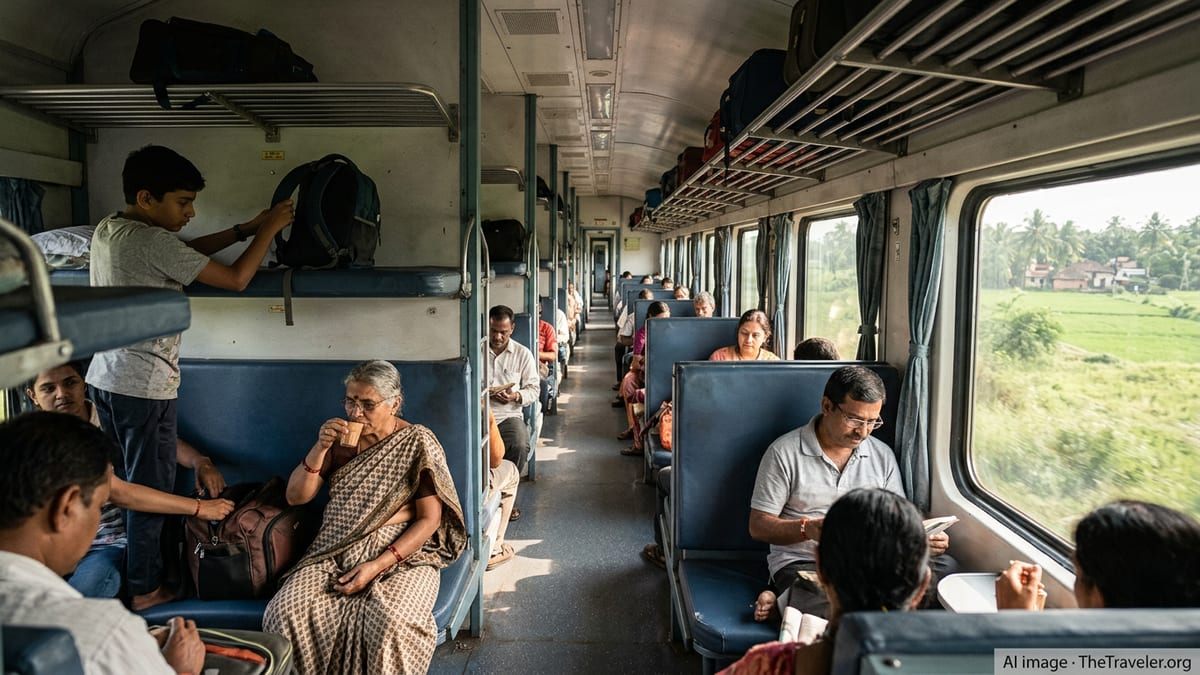
Environmental considerations are also influencing decision‑making. Reports on European traveler sentiment indicate that while long‑haul flights remain a concern for climate‑conscious tourists, many are choosing to travel less frequently but stay longer, seeking destinations that support low‑impact experiences once on the ground. India’s promotion of rail‑based circuits, eco‑lodges and community tourism aligns with this pattern, and several states now market themselves around regenerative or responsible tourism themes.
For India, the opportunity comes with challenges. Concentrated surges of visitors in fragile coastal belts or historic neighborhoods risk straining resources if growth is not carefully managed. Policy notes from Indian planning bodies emphasize the need to balance economic gains from international tourism with infrastructure capacity and environmental safeguards, particularly in small beach towns and heritage precincts.
Industry observers expect the 2026–27 seasons to serve as a test of how well India can capture rising European interest while maintaining quality of experience. If investments in connectivity, heritage conservation and coastal management translate effectively on the ground, analysts say India could consolidate its position as a leading long‑haul choice for Europeans seeking a mix of culture and coast in the years ahead.