


More news on this day
Shifting global travel patterns and a search for better value in 2026 are putting India higher on European holiday wish lists, as data and industry commentary point to rising demand for the country’s heritage cities, spiritual landscapes and tropical beaches.
Get the latest news straight to your inbox!
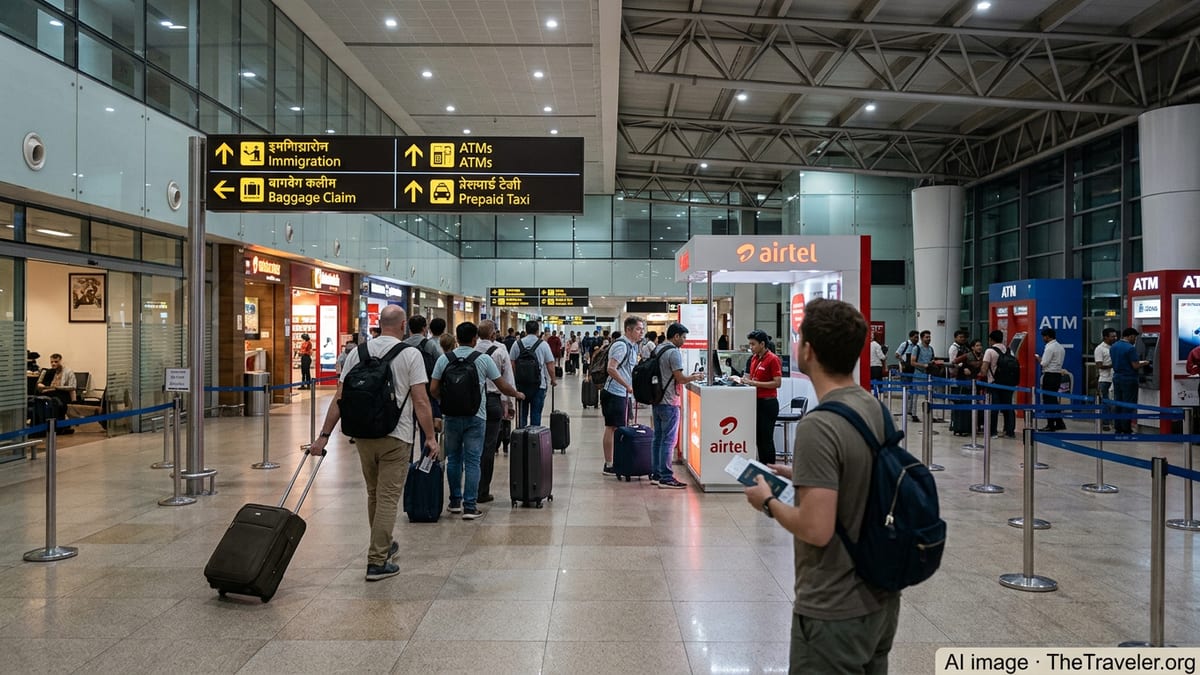
European Arrivals Recover and Realign Toward India
Recent tourism statistics show that India’s international visitor numbers are steadily rebounding, with Europe emerging as a resilient long-haul source region. Official tourism dashboards indicate that Western and Southern Europe together now account for a significant share of foreign tourist arrivals, reflecting a broader pivot away from some overcrowded Mediterranean destinations toward more varied long-haul options in Asia.
Government tourism data for 2024 highlights the United Kingdom, Germany, France and Italy among India’s top overseas markets, underlining the importance of Europe in the country’s visitor mix. The United Kingdom alone contributed more than one million arrivals in 2024, while Germany, France and Italy each recorded six-figure visitor volumes, reinforcing a multi-country European footprint rather than dependence on a single market.
Analysts following international travel trends note that by mid-2025 and into early 2026, European long-haul demand has continued to normalize after the pandemic disruption. High airfares to certain transatlantic destinations, combined with capacity growth on Middle East and South Asia routes, are helping redirect some leisure flows toward India, particularly in the cooler months of the European year.
Publicly available booking and search data from global travel platforms suggest that India is benefiting from this recalibration. Cities such as Delhi, Mumbai and Bengaluru are seeing growing interest from European travelers using them as gateways to cultural regions, wildlife reserves and coastal holidays, rather than as stand-alone business hubs.
Heritage Cities and Cultural Circuits Gain New Momentum
For European tourists, India’s historic cities and cultural routes remain a central draw. According to tourism compendiums and destination reports, the classic Golden Triangle of Delhi, Agra and Jaipur continues to anchor many first-time itineraries, supported by improving connectivity, new hotel openings and curated heritage experiences.
There is also increasing attention on second-tier heritage cities that blend monuments with living culture. Rajasthan’s smaller forts and palace towns, the blue lanes of Jodhpur and the lakefront setting of Udaipur are being marketed more aggressively in European source markets, often packaged with boutique hotels, culinary tours and craft workshops.
In north and central India, spiritual and riverfront destinations such as Varanasi and Rishikesh are attracting a new wave of visitors interested in wellness, yoga and traditional music, alongside classic sightseeing. Published coverage of the segment indicates that multi-day retreats combining river ceremonies, meditation and local cuisine are finding particular favor among European travelers seeking slower, more immersive stays.
Tourism authorities and state promotion boards are simultaneously pushing heritage circuits that link urban centers with nearby archaeological sites and rural villages. This approach is designed to disperse visitors beyond familiar city cores, respond to traveler interest in authenticity and ease pressure on a handful of marquee landmarks.
Beach States Compete for Europe’s Winter Sun Market
On the coast, India is positioning itself more firmly within Europe’s winter sun map. Goa remains the country’s best-known beach destination in European markets, supported by charter operations, scheduled flights via Middle Eastern hubs and a long-established tourism infrastructure catering to mid-range and premium travelers.
Reports from state tourism departments and trade associations describe a gradual diversification of Goa’s source markets, with stronger visibility in Germany, the United Kingdom and parts of Eastern Europe. Beachfront resorts and smaller guesthouses are tailoring offerings to longer-stay European visitors, including digital nomads and retirees escaping the European winter.
Kerala’s palm-lined coast and backwaters are also securing renewed interest. Data from regional tourism portals show a solid recovery in international arrivals through 2024, with European guests forming a notable share of high-spend leisure visitors. Many combine time on the beaches of Kovalam or Varkala with houseboat stays and Ayurvedic wellness programs, a mix that differentiates Kerala from more party-oriented coastal destinations elsewhere in Asia.
Further north, emerging coastal stretches in Karnataka and the Konkan region are beginning to appear in European travel media and tour catalogues as lower-density alternatives. While infrastructure remains more limited than in Goa, planners are promoting these areas as quieter, more nature-focused extensions to standard itineraries.
Value, Connectivity and Visa Policies Shape 2026 Outlook
Underlying the shift toward India is a search for value at a time of persistent inflation in many European economies. Industry analysis widely notes that daily travel costs for accommodation, food and internal transport in India can be lower than in parts of southern Europe during peak season, even after factoring in long-haul airfares.
Improving air connectivity is reinforcing this advantage. Gulf and Indian carriers have expanded services linking European cities with major Indian hubs, increasing seat capacity and offering more one-stop options to coastal and heritage regions. Additional frequencies on routes from London, Frankfurt, Paris and Rome to Indian metros are making multi-destination trips that combine cities, countryside and beaches more feasible within typical European holiday windows.
Digital visa systems are another factor shaping demand. India’s e-visa framework, which covers many European nationalities, has simplified entry procedures compared with traditional paper visas. Travel agents and online intermediaries describe this as a competitive advantage in attracting first-time visitors who might otherwise prioritize destinations with straightforward entry formalities.
At the same time, observers note that currency movements, geopolitical tensions and airline capacity constraints could still influence the pace of growth through the 2026 peak seasons. Travel planners in Europe are therefore closely watching fare levels and promotional campaigns from both airlines and Indian destinations as they finalize product offerings for the coming winter.
Opportunities and Pressures for Indian Destinations
The upswing in European attention creates fresh opportunities for Indian destinations but also highlights ongoing challenges. Popular heritage quarters and beach belts already face concerns about congestion, waste management and pressure on local infrastructure during high season.
Policy documents and tourism strategy papers emphasize the need to balance growth with sustainability. Several states are experimenting with visitor-capping measures at ecologically sensitive sites, seasonal restrictions on certain activities and stricter guidelines on coastal construction. These steps are intended to protect the very landscapes and cultural settings that appeal to European travelers.
At the community level, stakeholders in handicrafts, performing arts and small-scale hospitality are seeking to ensure that rising European demand translates into local livelihoods. Training programs in guiding, language skills and digital marketing are being rolled out in some regions to help small enterprises connect with international markets more effectively.
As 2026 unfolds, the overall picture is one of cautious optimism. Publicly available information suggests that India is consolidating its position as a compelling long-haul option for Europeans seeking a blend of culture, spirituality and sun. How destinations manage growth in the next few seasons will help determine whether this shift becomes a durable realignment in global travel flows.