


More news on this day
Across Europe, newly promoted protected landscapes and UNESCO-recognized geoparks are drawing travelers into settings that can feel more like science fiction than standard sightseeing, as climate pressures and visitor demand push authorities to reimagine how wild places are protected and presented.
Get the latest news straight to your inbox!
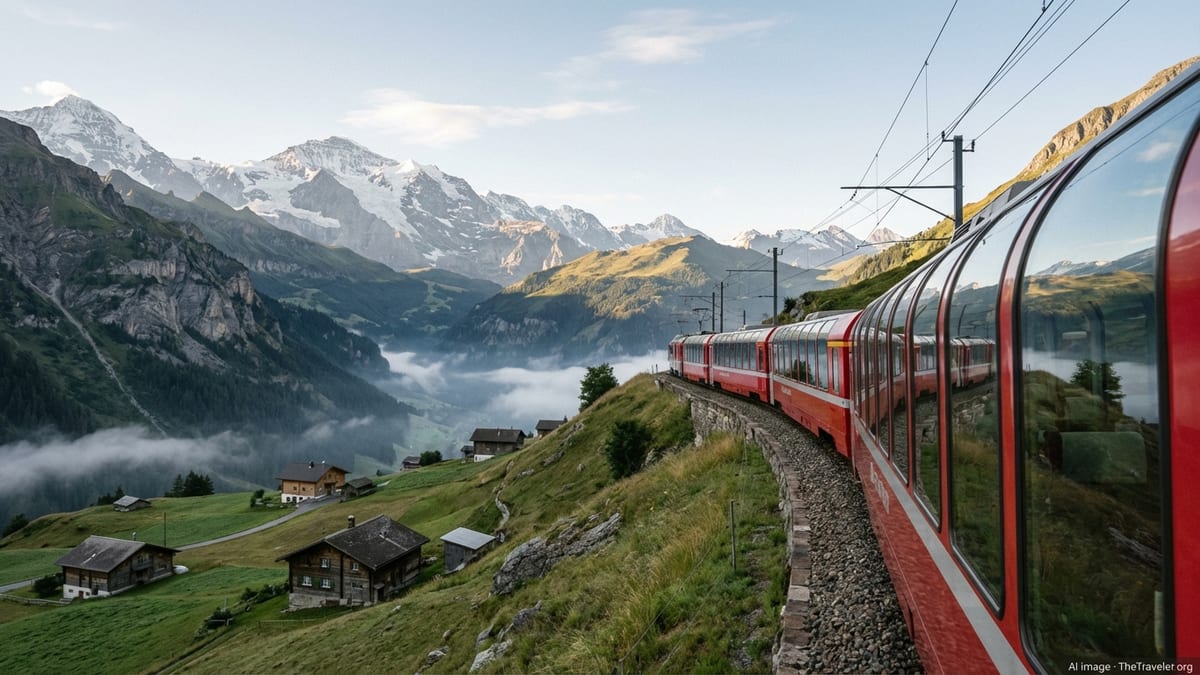
Protected Landscapes Move Center Stage in European Travel
Protected landscapes, national parks and UNESCO Global Geoparks are taking a growing share of the continent’s tourism narrative, with recent data from UNESCO indicating a steady expansion of geopark designations and applications across Europe. Publicly available information shows that more than 90 UNESCO Global Geoparks are now spread across European and adjacent countries, turning once-obscure geological areas into structured destinations for nature-focused travel.
These designations come with strict conservation rules, but they are increasingly framed as drivers of rural development and climate-conscious tourism. Guidance from European geopark networks describes how sites are encouraged to build visitor experiences around geological heritage, traditional land use and low-impact outdoor activities rather than mass-market resort models. The approach is intended to deliver a sense of remoteness and wonder while keeping development tightly controlled.
At the same time, national reporting across the continent suggests that protected areas are absorbing record visitor numbers as travelers seek cooler temperatures, quieter hiking terrain and more authentic encounters with local communities. This shift is particularly visible in southeastern Europe, where destinations such as Albania report double-digit growth in arrivals linked to natural landscapes and protected areas, including national parks and nature reserves away from the coast.
Saimaa and Salpausselkä: Finland’s Reality-Bending Lake Labyrinth
In Finland, the Saimaa region illustrates how protected landscapes can feel almost unreal to first-time visitors. Saimaa UNESCO Global Geopark in southeastern Finland connects dozens of geosites across a sprawling lake system shaped by ancient ice sheets. The geopark organization describes the area as a gateway into the origin story of the Finnish lake landscape, with rocky ridges, kettle lakes and island-dotted waterways revealing traces of continental glaciers that once stood several kilometres thick.
Public information from the Saimaa Geopark network highlights how the nearby Salpausselkä ridges, formed from glacial debris at the edge of the ice sheet, create long, wave-like landforms that seem to defy conventional expectations of flat Nordic scenery. Trails and viewpoints trace these ridges, giving travelers the impression of walking along frozen waves of earth, with sheer drops to clearwater lakes and boreal forest stretching to the horizon.
The region’s protected status, combined with strict Finnish rules on shoreline development, helps maintain the illusion of wilderness despite relatively easy access by road and rail. Tourism planners in the area promote small-scale guesthouses, lake cruises and paddling routes as ways to experience the geological story without overwhelming fragile shores. The Saimaa and Salpausselkä landscapes are also being featured prominently around the 18th International European Geoparks Conference, scheduled to be hosted in the region in September 2026, signaling a further push to raise its profile among international visitors.
UNESCO Geoparks Turn Deep Time into Travel Theatre
Across Europe, UNESCO Global Geoparks are positioning themselves as stages where visitors can walk through deep geological time. European Geoparks Network publications describe sites ranging from meteorite craters to fossil-rich sea cliffs, each curated as an open-air narrative of the planet’s evolution. Many of these geoparks lie far from conventional tourist circuits, which is helping disperse visitor flows into lesser-known regions.
Geopark frameworks encourage what is described in online guidance as “geotourism,” where local businesses, guides and museums interpret rock formations, landforms and traditional livelihoods for visitors. Examples highlighted by recent network reports include volcanic landscapes in France’s interior, karst cave systems on the borders of Central Europe and mountain plateaus in the Balkans that once lay on ancient sea floors. The emphasis is on encounters that feel otherworldly yet are firmly grounded in science and conservation.
In several northern and central European geoparks, initiatives are underway to blend on-site experiences with virtual tools. According to recent project descriptions, some sites now offer augmented reality trails, 3D reconstructions of vanished glaciers and digital storylines that overlay present-day valleys with their prehistoric forms. These tools allow travelers to visualize vanished ice sheets, lava flows or inland seas without expanding physical infrastructure in sensitive areas.
Balkan and Alpine Frontiers: Where Culture and Wilderness Collide
In southern and eastern Europe, protected landscapes along mountain frontiers are emerging as some of the continent’s most dramatic yet relatively under-reported destinations. Travel and policy coverage points to cross-border protected areas, including combined national parks and landscape reserves, where high peaks, deep gorges and traditional villages are managed under joint conservation arrangements.
These regions frequently sit at the intersection of long-distance hiking routes and historic trade or pastoral corridors, creating layered experiences in which stone shepherds’ paths share space with new waymarked trails and visitor centres. Efforts by local and international partners aim to maintain traditional agriculture and forestry practices, which help retain terraced slopes, orchards and hay meadows that many visitors perceive as almost too idyllic to be real.
Reports from regional tourism boards also highlight the role of these protected landscapes in shifting countries away from highly seasonal beach-focused models. In the western Balkans, for example, the rapid growth in arrivals recorded in recent years has been accompanied by marketing campaigns that emphasize mountain lakes, river canyons and highland villages, many of them within national parks or candidate UNESCO sites. The strategy is designed to spread tourism benefits across the year and across rural communities while promoting low-impact outdoor activities such as trekking and cycling.
Managing Surreal Landscapes Under Climate and Crowding Pressure
The growth in interest around Europe’s more ethereal protected landscapes coincides with rising concern about overuse and climate impacts. Research published in recent years on World Heritage buffer zones and protected-area management has warned that increased visitor numbers can quickly outpace infrastructure and conservation plans if tourism development is not carefully controlled.
In response, many European protected areas are experimenting with reservation systems, seasonal trail closures and stricter rules around visitor behaviour. Management plans commonly emphasize public transport access, limits on new road construction and the promotion of guided experiences that can both interpret geological stories and keep people away from the most fragile habitats. The intention is to retain the sense of untouched, almost impossible landscapes even as visibility increases through social media and destination marketing.
There is also a growing focus on connecting protected landscapes with nearby communities through locally owned lodging, food and craft businesses. Destination strategies highlighted in geopark and national park documents across Europe describe efforts to ensure that visitor spending supports long-term conservation, whether through park entrance fees, certified local products or partnerships with rural cooperatives. For travelers, this means that chasing “reality-defying” scenery increasingly comes with opportunities to support the people who live closest to Europe’s most remarkable protected places.