


More news on this day
Newly compiled safety rankings, tourism data and traveler surveys are highlighting a powerful trend in Europe, with destinations such as Iceland, Portugal and Finland emerging as some of the continent’s most empowering escapes for solo female travelers.
Get the latest news straight to your inbox!
Why Solo Female Travel in Europe Is Surging
Recent studies focused on women who travel alone indicate sustained growth in solo female trips, particularly to Europe. Surveys of international travelers in 2024 show more women booking independent itineraries and reporting higher confidence in managing their own safety, logistics and budgets. Analysts point to a combination of better digital tools, more transparent safety information and a growing community of women sharing first hand experiences as key drivers.
At the same time, publicly available tourism statistics show that European destinations that score well on broader stability, infrastructure and equality metrics are increasingly positioning themselves as welcoming to solo women. Countries that invest in reliable public transport, clear visitor information, and inclusive social norms tend to appear repeatedly in rankings of safe and empowering places for women to explore on their own.
Research on perceived safety among solo female travelers in Europe further suggests that personal comfort often matters as much as raw crime data. Destinations now being spotlighted, such as Iceland, Portugal and Finland, tend to pair strong institutional safety records with a culture of trust, low street harassment reports and established tourism ecosystems.
Iceland: Wild Landscapes, Strong Social Protections
Iceland frequently appears at the top of global safety and gender equality indices, and those macro level scores are now feeding directly into its reputation among solo female travelers. Public data on crime and governance consistently ranks the country among the world’s most peaceful, and it performs strongly in measurements of women’s participation in public life and the workforce. For women traveling alone, these background conditions can translate into a greater sense of freedom to move around at all hours and explore beyond the capital.
Practical factors support this perception. Iceland’s compact population centers, widely used English and robust emergency services create a relatively low friction environment for first time solo travelers. Well marked routes along popular circuits, including the Ring Road and the Golden Circle, mean that visitors are rarely far from accommodation, fuel or food, even when surrounded by volcanic landscapes and glaciers.
Reports from travel organizations and published traveler feedback also highlight the predictability of local logistics. Airport transfers into Reykjavik, organized day tours and small group excursions to waterfalls, geothermal areas and coastal vistas give solo women structured ways to venture far into nature without needing to rent a car or travel with companions. Combined with a strong culture of outdoor recreation among residents, this makes Iceland stand out as both adventurous and reassuring.
Portugal: Accessible Cities and Inclusive Coastal Culture
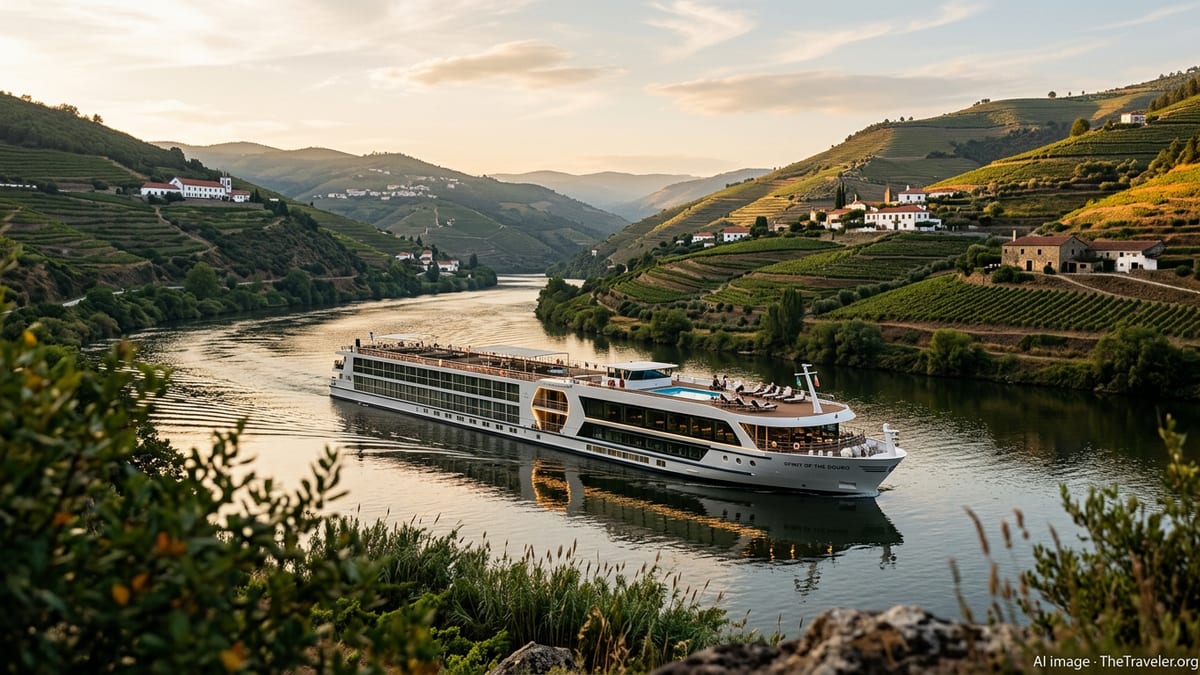
Portugal has been gaining visibility as a solo travel favorite, backed by positive scores in European tourism development rankings and safety assessments. Its major cities, including Lisbon and Porto, are compact, walkable and supported by relatively affordable public transport networks that include metro lines, trams and intercity trains. These features make it easier for solo women to navigate unfamiliar neighborhoods, move between districts and plan flexible itineraries.
The country’s coastal regions from the Algarve to the Atlantic surf towns are also benefiting from an influx of independent travelers seeking relaxed environments with strong hospitality infrastructures. Extensive accommodation options, from guesthouses to boutique hotels, allow women to select stays that match their comfort levels, while local operators offer small group walking tours, wine excursions and cultural experiences that provide structure without limiting independence.
In parallel with these physical advantages, Portugal has built a reputation for a welcoming social atmosphere and comparatively low violent crime rates by regional standards. Public information from tourism agencies and international indices routinely cite the country’s stability and community oriented culture as reasons travelers feel at ease. For many solo women, this combination of affordability, accessibility and warmth makes Portugal a natural entry point into longer term independent travel around Europe.
Finland: High Trust, Low Crime and Seamless Mobility
Finland consistently ranks among the safest and most stable countries globally, and tourism authorities highlight that women traveling alone often experience these conditions directly. Publicly available documents on visitor safety note that Finland is widely viewed as secure for women, supported by low crime statistics, strong rule of law and a high degree of social trust. These elements underpin its emerging image as a calm, orderly base for solo exploration in northern Europe.
The country’s transport and digital infrastructure further contribute to its appeal. Well integrated rail and bus networks connect major cities such as Helsinki, Tampere and Turku with smaller towns and nature areas, while extensive timetables and journey planners allow travelers to plan movements with precision. For solo women, the ability to rely on punctual public transport, clear signage and cashless payments can significantly reduce travel stress.
Finland’s urban environments also support a sense of autonomy. City centers are generally pedestrian friendly, with well lit streets, widely available mobile data coverage and numerous cafes and libraries that serve as safe places to pause or regroup. For those seeking nature escapes, marked hiking routes and lakeside cabins give solo travelers a controlled way to experience the outdoors without sacrificing safety considerations.
What Makes an Escape Truly Empowering
Across Iceland, Portugal, Finland and other high ranking European destinations, a shared pattern emerges around what makes a trip genuinely empowering for solo female travelers. Safety is central, but not limited to crime statistics; it extends to predictable systems, clear information, and social norms that respect women’s independence in public spaces. Destinations that combine these qualities enable women to focus on discovery rather than constant risk assessment.
Equally important is the presence of robust tourism ecosystems that offer choice. When solo women can select between guided excursions and fully independent exploration, between budget options and higher end stays, and between bustling cities and quiet countryside, they gain control over the tone and pace of their journeys. European countries now spotlighted as top escapes tend to offer this breadth of options in relatively compact territories.
Digital communities and data driven research are reinforcing these developments by making nuanced safety insights more accessible. Women planning trips increasingly consult specialized safety indices, academic studies on traveler perceptions and detailed firsthand accounts. As this body of information grows, destinations that invest in inclusive infrastructure and transparent communication are likely to remain at the forefront of Europe’s most empowering solo female escapes.