


More news on this day
Holiday travel between Germany and Spain’s Balearic Islands was severely disrupted this week after an explosive-laden drone was discovered near a runway at Leipzig/Halle Airport, prompting authorities to halt traffic and forcing cancellations and diversions on popular routes to Mallorca.
Get the latest news straight to your inbox!
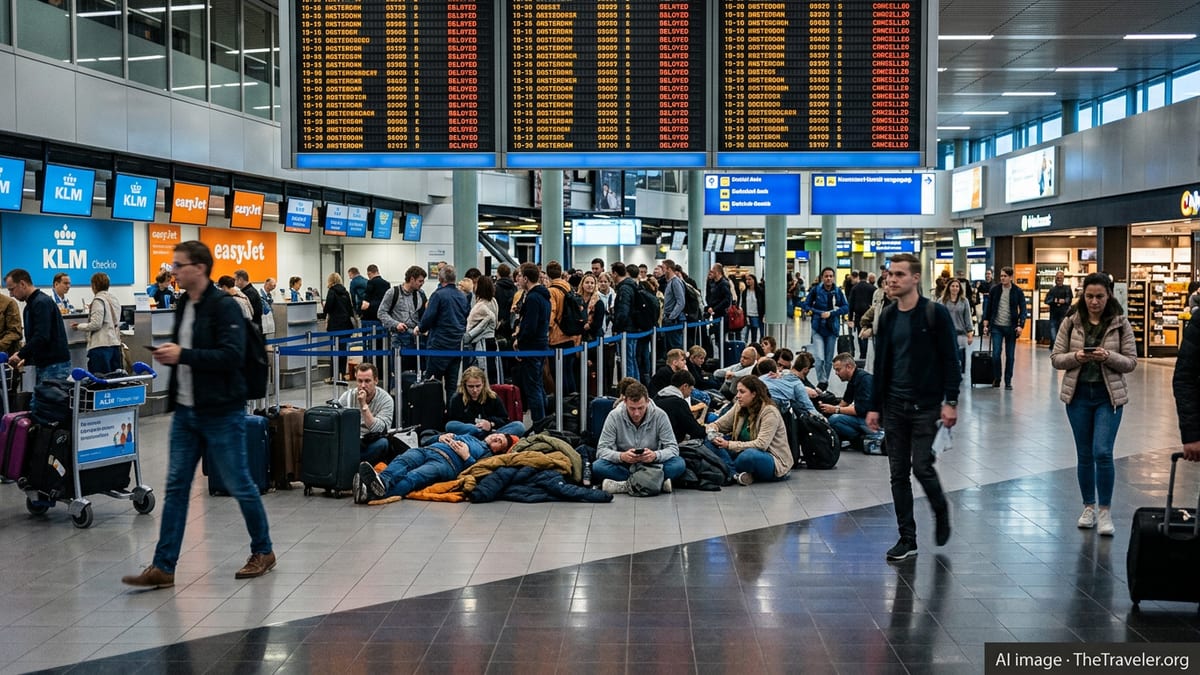
Explosive drone found near runway at key cargo hub
Publicly available information indicates that the incident unfolded late on the night of 4 August at Leipzig/Halle Airport in eastern Germany, a major European cargo and logistics hub that also handles regular passenger traffic. An airport worker reportedly spotted a drone on the ground close to the south runway and near Ukrainian Antonov cargo aircraft operating from the field.
According to published coverage in German and international media, the device was identified as a modified drone carrying an explosive charge and an ignition system. Bomb-disposal specialists rendered the device safe on site after its detonator was removed, treating it as a suspected improvised explosive device placed inside the secure area of the airport.
Investigators are examining whether the drone was deliberately positioned close to Ukrainian-operated cargo aircraft based at Leipzig/Halle and used heavily for military logistics. The airport has become a strategic node for freight movements linked to Ukraine and for military transport flights within the NATO area, increasing concern about the intent behind the incident.
Authorities have opened a security investigation into potential sabotage and are analyzing debris and surveillance data in an effort to determine how the drone entered the restricted zone and who may have operated or placed it there. No group has been publicly identified as responsible, and no injuries were reported.
Runway closure triggers broad disruption to passenger traffic
The discovery of the drone led to an immediate suspension of operations on the affected runway and, for several hours, a wider halt to flight movements at Leipzig/Halle. Flight-tracking data and airport information show that both cargo and passenger services were diverted to other German airports, while some departures were canceled outright.
For leisure travelers, the most visible impact was on seasonal services linking Leipzig with Palma de Mallorca, one of Germany’s busiest summer routes. Several Palma-bound flights were delayed or rerouted during the shutdown window, while returning holidaymakers saw arrivals diverted and onward connections disrupted as aircraft and crews were displaced.
Travel industry reports note that airlines operating the Leipzig–Mallorca corridor were forced to adjust schedules at short notice, in some cases positioning aircraft from other bases once the airport partially reopened. Passengers reported missed hotel check-ins, lost nights of accommodation and extended waits at alternative airports as carriers worked through the backlog.
As operations resumed, residual delays continued into the following day because aircraft and crews were out of position. Tour operators serving the Balearic Islands from eastern Germany warned of possible knock-on effects across the peak holiday weekend as they attempted to re-accommodate affected customers.
Wider security concerns around drones and European air travel
The Leipzig incident has intensified long-running concerns over the vulnerability of airports to drones capable of carrying explosive payloads. Previous high-profile cases in Europe, such as mass disruptions caused by suspected drone activity near major hubs, mostly involved unauthorized overflights and airspace incursions rather than confirmed explosive devices.
In this case, publicly available information indicates that investigators recovered a drone with a physical explosive package located within the airport perimeter, close to aircraft on the apron. Aviation security specialists cited in European media describe this as a significant escalation in risk compared with earlier episodes that centered on nuisance or surveillance flights.
Airports across the region have been progressively deploying counter-drone technologies, including radar, radio-frequency detection and jamming systems, but coverage remains uneven. The Leipzig event is likely to renew pressure on operators and regulators to accelerate investment, particularly at airports that combine intensive cargo operations with high volumes of seasonal leisure traffic.
For travelers, the incident underscores how a single security breach can ripple rapidly through flight schedules. Industry analysts point out that hub airports used as staging points for military and humanitarian cargo can simultaneously serve as gateways for mass-market destinations like Mallorca, meaning disruptions there can quickly spill over into the holiday market.
Impact on Germany–Mallorca holiday flows
Germany is among the largest source markets for tourism to Mallorca, with dozens of daily flights linking regional German airports to Palma during the summer peak. Routes from eastern Germany, including Leipzig, feed package-holiday resorts across the Balearic island and are particularly busy in late July and August.
Travel agencies in Germany reported short-notice schedule changes on Leipzig–Palma services in the wake of the drone discovery, including rebooking of passengers via other airports and, in some cases, complete cancellations where aircraft could not be repositioned in time. Some travelers faced overnight stays at departure points or unexpected arrivals into secondary airports before being transferred onward.
Published coverage from the tourism sector suggests that, while the overall flow of visitors to Mallorca has not been significantly reduced, the timing of journeys has been disrupted, compressing stays or shifting arrivals into already busy weekend periods. Hotels and resort operators have had to adapt to late check-ins and altered transfer arrangements for guests arriving from eastern Germany.
Consumer groups in Germany are reminding affected passengers of their rights to care, assistance and potential compensation under European air passenger regulations when flights are canceled or heavily delayed, depending on the precise cause and circumstances of each disruption.
Ongoing investigation and implications for future travel
Security and judicial authorities are continuing to investigate both the provenance of the drone and any possible links to wider patterns of suspicious activity involving unmanned aircraft over critical infrastructure in Germany and neighboring countries. Analysts are examining whether the Leipzig case fits into a broader trend of hybrid actions aimed at testing or straining European logistics networks.
For airlines and airports, the episode is likely to prompt renewed reviews of perimeter security, on-airfield surveillance and emergency protocols for dealing with suspected explosive devices. Industry bodies are expected to examine lessons from Leipzig when updating guidance on how to balance rapid threat mitigation with minimizing knock-on disruption to passengers.
Travelers planning routes between Germany and Mallorca in the coming weeks are being advised by tour operators and carriers to monitor flight status closely, allow extra time for security screening and remain flexible about potential last-minute schedule changes. While operations at Leipzig/Halle have largely returned to normal, the incident has highlighted how quickly evolving drone threats can impact even routine holiday flights.
Given the ongoing investigation, further operational or security measures around Leipzig/Halle and other German airports remain possible, particularly if additional information emerges about the origin or intended use of the explosive drone. Any renewed restrictions could again affect popular leisure routes, including those linking Germany with Spain’s Mediterranean islands.