


More news on this day
A fatal collision involving a Brightline passenger train and a pedestrian in Boynton Beach is under investigation, with early reports indicating the incident occurred along the Florida East Coast Railway corridor that runs through the city’s busy coastal corridor.
Get the latest news straight to your inbox!
Crash Under Investigation in Coastal Rail Corridor
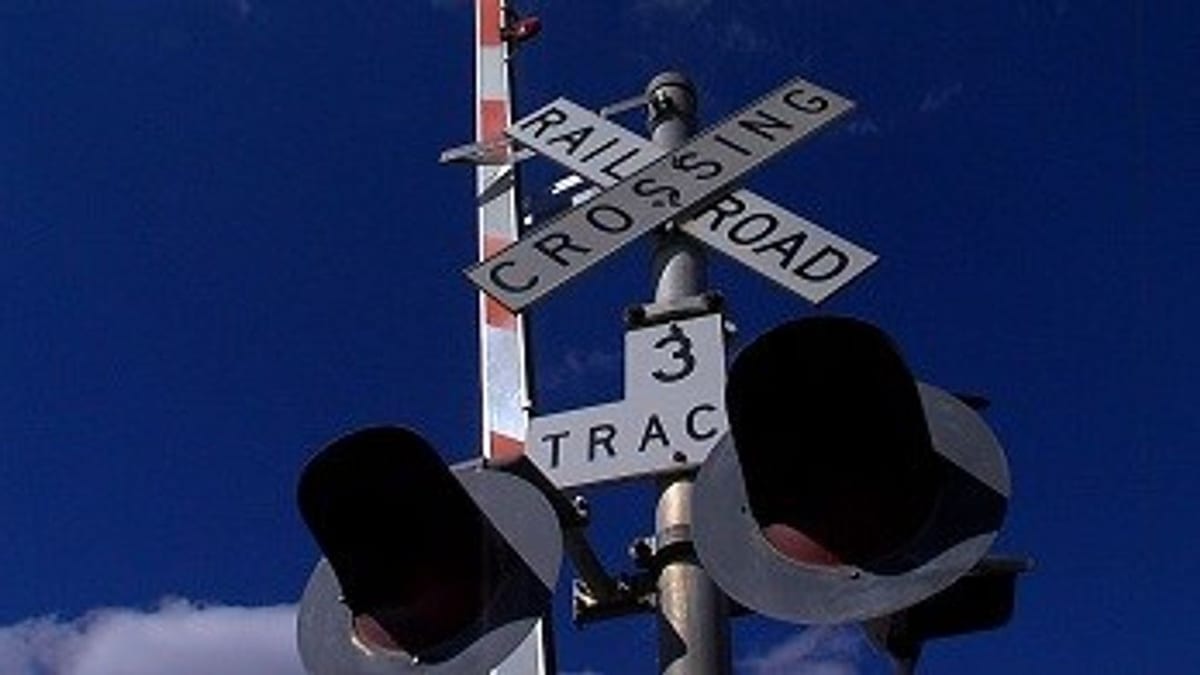
Initial reports indicate that the pedestrian was struck by a Brightline train near a roadway crossing in Boynton Beach, a city where trains pass close to residential neighborhoods, shops, and commuter routes. The impact was reported along the Florida East Coast Railway tracks, which carry both high speed passenger trains and freight traffic through Palm Beach County.
Publicly available information shows that emergency crews were dispatched after witnesses reported a person on or near the tracks shortly before the train passed through the area. The pedestrian was pronounced dead at the scene, and rail traffic was temporarily disrupted while the scene was documented and debris cleared.
Investigators are reviewing the sequence of events leading up to the collision, including the status of crossing arms, warning lights, train speed, and whether the pedestrian was on the tracks at a designated crossing or in an unauthorized area. According to published coverage of similar cases in Boynton Beach and neighboring cities, investigators typically examine on board camera footage, train data recorders, and nearby surveillance video to reconstruct what happened.
History of Train Incidents in Boynton Beach and South Florida
Boynton Beach sits along one of the busiest rail corridors in South Florida, and the city has previously experienced fatal collisions involving both freight and Brightline passenger trains. Past incidents in the Boynton Beach area, as detailed in prior news reports and transportation records, have involved pedestrians on the tracks as well as vehicles attempting to cross during or shortly before a train’s arrival.
Across the wider South Florida region, Brightline has been involved in a series of fatal crashes since passenger service began, including pedestrian strikes in cities such as Delray Beach, Lake Worth Beach, Hallandale Beach, and Deerfield Beach. Public data from federal rail safety databases and regional news coverage indicate that many of these deaths occur at or near grade crossings, where trains intersect with roads and sidewalks.
Transportation safety specialists who have reviewed previous Brightline cases frequently note recurring patterns, including pedestrians attempting to cross after gates have descended, individuals walking along tracks outside designated crossings, and drivers trying to go around lowered crossing arms. While each case in Boynton Beach and elsewhere is investigated separately, the broader pattern shapes how agencies approach enforcement and public education along the corridor.
Safety Measures and Ongoing Rail Improvements
The latest Boynton Beach fatality comes as state, local, and company partners continue work on rail safety upgrades along the South Florida corridor. In recent years, crossing improvements in Palm Beach County have included additional signage, upgraded warning lights, extended gate arms, and roadway markings intended to discourage drivers and pedestrians from entering the tracks when a train is approaching.
According to publicly available transportation planning documents, agencies have also pursued quiet zone designations in several communities, including stretches through Boynton Beach. Quiet zones limit routine train horn use but require enhanced safety infrastructure at crossings. Critics of quiet zones periodically raise concerns that fewer horn blasts could affect pedestrian awareness, while safety advocates counter that upgraded barriers, improved lighting, and better street design can offset reduced noise warnings.
Beyond physical improvements, outreach campaigns in South Florida have urged people to avoid walking along tracks, to respect lowered gates, and to treat all rail corridors as active at all times. Rail safety organizations emphasize that modern passenger trains like Brightline operate at higher speeds and require substantial distance to stop, leaving little opportunity for trains to avoid a person or vehicle that moves onto the tracks at the last moment.
Impact on Local Mobility and Community Concerns
Boynton Beach residents and commuters frequently rely on roadways that intersect the Brightline and freight rail tracks, making each serious collision a disruption to both travel and daily routines. When fatal crashes occur, traffic is often diverted from major east west corridors while responders work at the scene, creating congestion around nearby neighborhoods and commercial areas.
The latest incident has renewed community discussion about how to balance the benefits of expanded passenger rail with the risks posed at street level crossings. Public comments following previous collisions in Boynton Beach and surrounding cities have highlighted concerns about pedestrian behavior near the tracks, driver impatience at long gate closures, and the challenges of enforcing trespassing and traffic laws along an extended rail corridor.
Transportation planners point to a combination of engineering, education, and enforcement as central elements in reducing future collisions. For Boynton Beach, where development continues to increase around the coastal core, any additional safety steps taken in response to this case are likely to factor into broader conversations about how the city manages growth along its busy rail and roadway network.
Broader Questions About High Speed Rail Safety in Florida
This Boynton Beach fatality adds to an ongoing statewide conversation about high speed rail and the responsibilities of rail operators, government agencies, and the public. Brightline operates in a dense urban and suburban environment, where tracks run parallel to major roads, cut through downtowns, and intersect with local streets at frequent intervals.
According to published analyses that review years of collision data, the majority of serious incidents involving Brightline trains in Florida have occurred at grade crossings or on open tracks where pedestrians and drivers entered the rail right of way. These reviews often underscore that the physical design of crossings, clarity of signage, and visibility of approaching trains all influence how people behave around the tracks.
As investigators continue to examine the circumstances surrounding the Boynton Beach crash, transportation observers note that each case adds new details about how people interact with rail infrastructure in real world conditions. The findings from this investigation may inform future safety campaigns and infrastructure upgrades, both in Boynton Beach and along the broader Brightline route between South Florida and Central Florida.