


More news on this day
A once-secluded coastal cove in Majorca is facing unprecedented traffic congestion and crowding, as viral social media images transform the site from a locals’ secret into one of the island’s most sought-after selfie backdrops.
Get the latest news straight to your inbox!
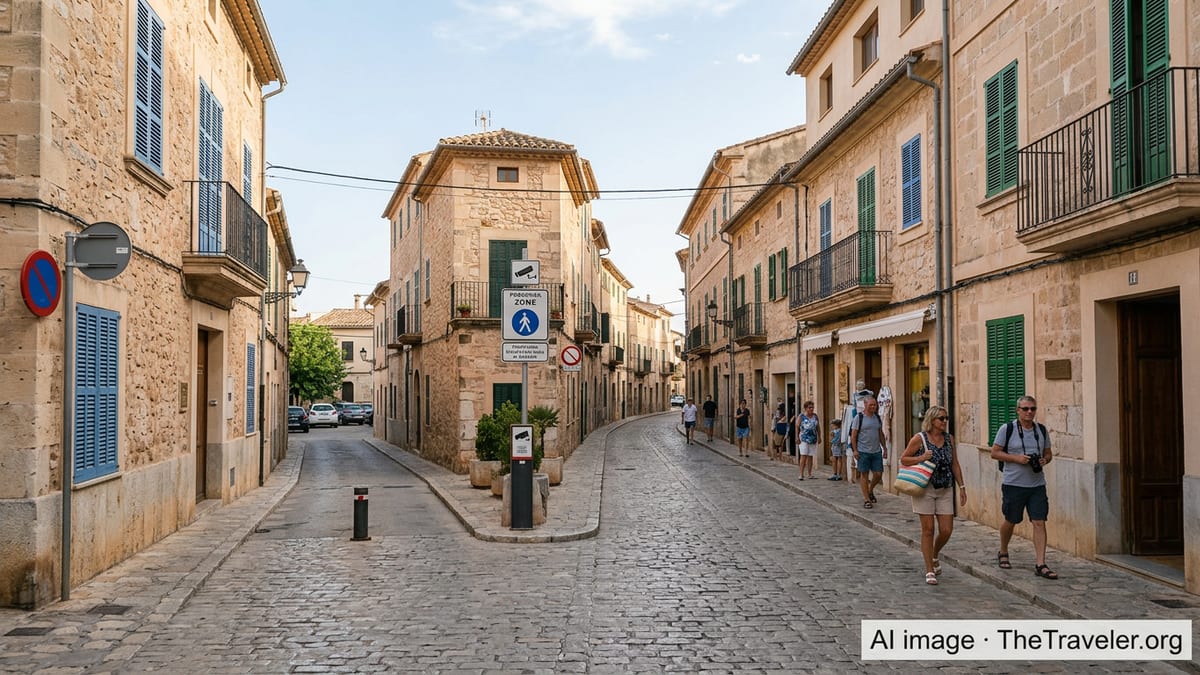
From Secret Cove to Social Media Phenomenon
In recent seasons, one of Majorca’s smallest coves has shifted from a little-known swimming spot to a destination that appears repeatedly in Instagram and TikTok feeds promoting “hidden gems” of the Balearic island. Reports describe queues forming along narrow cliff paths and improvised parking lines stretching back along rural access roads as visitors attempt to reach the turquoise inlet for a photo opportunity.
The cove’s transformation reflects a broader trend identified by tourism analysts as selfie or Instagram tourism, in which destinations gain rapid popularity after going viral on social media. Publicly available information shows that such locations are often compact, visually striking and ill-equipped for sudden surges in visitor numbers, leaving local infrastructure and natural ecosystems struggling to cope.
On Majorca, this pattern has become particularly visible at small coastal inlets and viewpoints that were once frequented mainly by residents or hikers. As posts featuring the coves circulate widely, visitors arrive with screenshots and geo-tags, often focusing on replicating specific images rather than spending extended time in the surrounding area.
The result, according to recent coverage from local and regional outlets, is an intense concentration of traffic and footfall on a handful of tiny beaches, while less-publicised stretches of coastline remain comparatively quiet even in high season.
Unprecedented Traffic Pressure Around a Fragile Coastline
The spike in popularity at the cove is most visible on the approach roads, where drivers face long waits and limited options for turning around. Narrow lanes originally designed for local agricultural traffic now carry steady streams of rental cars, scooters and tourist buses during peak hours, producing bottlenecks that spill into nearby villages.
Local media reporting on Majorca’s road network has repeatedly highlighted congestion in coastal zones where small car parks and single-track access routes meet record visitor arrivals. The impact is not confined to daylight hours, as some visitors continue to arrive early in the morning or close to sunset in search of less crowded moments for photography, extending pressure on parking and access throughout the day.
Residents commenting in regional press and community forums describe difficulties reaching their own homes during peak months because parked vehicles block driveways and passing places. Emergency access has also been raised as a concern in public debate, with commentators questioning how easily ambulances or fire services could reach the cove during gridlocked periods.
Tourism observers in the Balearics note that traffic around a single small site can become a flashpoint for wider dissatisfaction, symbolising concerns about how much visitor volume narrow valleys, cliff roads and coastal hamlets can absorb without compromising safety and daily life.
Environmental Strain and the Limits of a “Perfect Shot”
Beyond traffic, conservation advocates warn that the cumulative effect of thousands of short visits focused on photography can accelerate wear on fragile coastal landscapes. Published analyses of overtourism indicate that repeated foot traffic on steep paths contributes to erosion, while informal shortcuts appear as visitors search for new angles overlooking the cove.
On and around the beach itself, seasonal reports have documented a rise in litter, from plastic bottles to discarded packaging, despite signage and volunteer clean-up efforts. The small size of the inlet means even minor increases in waste and noise are immediately noticeable, affecting both the visual environment and the experience of bathers seeking calm.
Marine conditions are also under scrutiny. Environmental organisations in the Balearics have previously raised concerns about the impact of sunscreen residues, boat anchors and overcrowding in shallow bays frequented by swimmers. In very small coves, concentration of visitors in a limited area can intensify these pressures during the hottest months.
Observers point out that selfie tourism often encourages rapid turnover at scenic spots, with visitors staying only long enough to capture images before moving on. This pattern, critics argue, can deliver relatively little economic benefit to surrounding communities compared with the level of environmental and infrastructural strain.
Island-Wide Backlash Against Mass Tourism
The situation at Majorca’s hidden cove is unfolding against a wider backdrop of discontent over tourism numbers across the Balearic Islands. In the summers of 2024 and 2025, tens of thousands of residents participated in demonstrations in Palma calling for a different tourism model, with banners referencing overcrowding, rents and traffic congestion.
Regional press and national broadcasters report that the archipelago has experienced record visitor arrivals in recent years, with airports handling millions more passengers than a decade ago. This growth has intensified debates over housing affordability, labour conditions and public space, particularly in coastal districts where hotels, holiday rentals and leisure facilities cluster.
In response to mounting criticism, public information released by island institutions has outlined studies of “carrying capacity” for roads, beaches and natural areas. Proposals under discussion in recent months include regulating the entry of vehicles that do not pay tax in the Balearics, adjusting visitor flows to sensitive areas and reviewing how tourism revenue is reinvested in local infrastructure.
Commentary in regional magazines and expert forums suggests that selfie tourism has become a symbolic focus in these debates, representing a style of travel that prioritises image over connection to place. The overcrowding at the Majorcan cove is frequently cited as an example of how quickly a viral location can reach or exceed its limits.
Search for New Rules and a Different Kind of Visitor
As pressure builds on Majorca’s coastal “hidden treasure,” attention is turning to potential measures that could relieve traffic and protect the site. Publicly available discussions among planners and tourism specialists highlight several options already used elsewhere in the Mediterranean, such as reservation systems for beach access, time slots for visiting small coves and seasonal caps on parking near sensitive areas.
Some Balearic tourism organisations have promoted campaigns encouraging visitors to explore lesser-known inland villages and off-season experiences, in an effort to spread demand beyond a handful of iconic viewpoints. Analyses of these initiatives indicate mixed results, with concerns that directing influencers and digital campaigns toward quieter locations may simply transfer pressure from one fragile site to another.
At the same time, local commentators emphasise the role of individual behaviour, urging visitors to consider public transport where feasible, respect existing parking and access rules, and treat small coves as shared spaces rather than photo sets. Travel advice columns in regional and international media now routinely warn that highly publicised “secret” beaches on Majorca are likely to be crowded at peak periods.
Whether new regulations and awareness efforts can reverse the trajectory at this particular cove remains uncertain. For now, the once-quiet inlet stands as a case study in how quickly a picturesque corner of the island can be transformed by the pursuit of the perfect holiday selfie, and how hard it can be to restore balance once the world has discovered it.