


More news on this day
Russia is accelerating a nationwide push to turn its vast rail network into a tourism engine, opening new Asian-facing routes and packaging remote cultural sites as multi-week “rail cruises” aimed at domestic and regional travelers.
Get the latest news straight to your inbox!
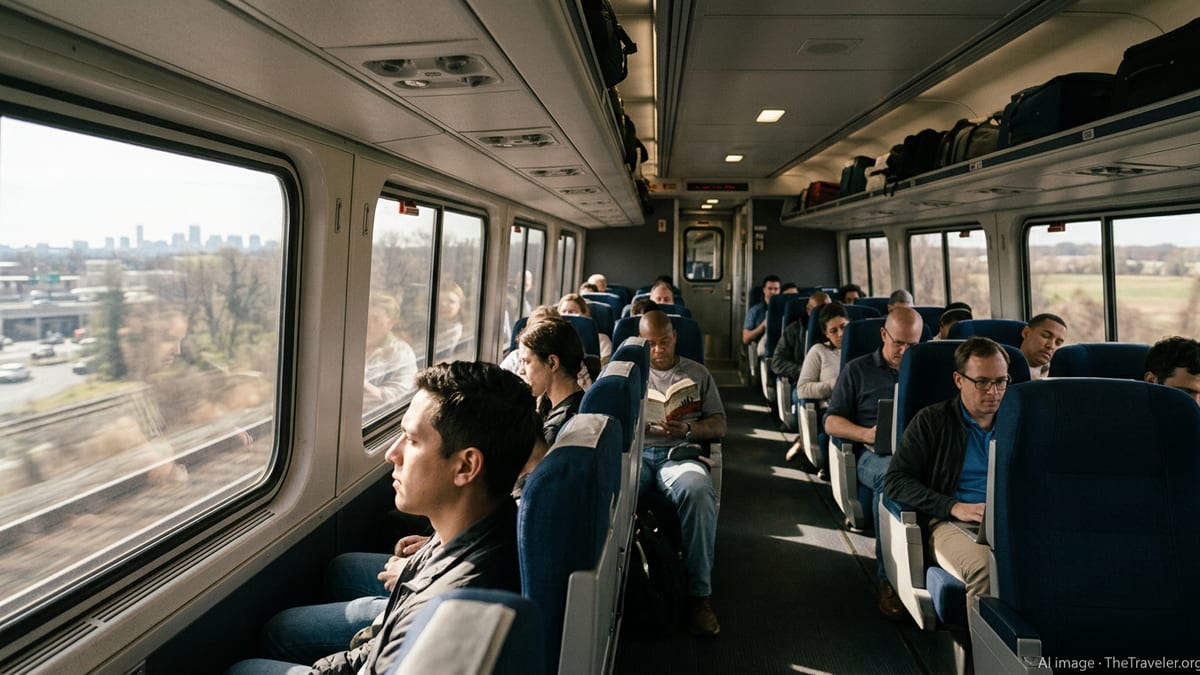
Tourist Trains Surge As Rail Becomes A Leisure Industry
Publicly available data from Federal Passenger Company, the long-distance arm of Russian Railways, indicates that tourist trains have shifted from niche product to growth driver. Corporate reporting for 2024 describes record passenger volumes on long-distance services and highlights tourist routes as a priority segment, with curated itineraries, themed carriages and upgraded onboard services now embedded in the company’s strategy.
Figures released by the Russian Union of the Tourism Industry show how quickly the market has expanded. Tourist trains reportedly carried around 940,000 passengers in 2023, with projections that volumes in 2024 would exceed one million, reflecting rising demand for rail-based holidays among Russian travelers and organized groups from neighboring countries.
Government briefings on the transport sector portray rail tourism as part of a wider effort to redirect outbound demand toward domestic and regional destinations. Plans presented in 2024 envisage tens of millions of additional leisure trips by rail each year, supported by investments in rolling stock, marketing and station-area infrastructure in secondary cities along the main lines.
Corporate materials also highlight experiments in onboard amenities designed for holidaymakers, such as spa carriages on flagship tourist services to Siberia. One award-winning route, branded as a “railway cruise,” has been promoted as a model for immersive, slow-travel itineraries that combine long-distance journeys with excursions at intermediate stops.
Rediscovering Siberia, Baikal And The Baikal–Amur Mainline
Russia’s eastbound corridors are emerging as the backbone of the new tourism push. The Trans-Siberian Railway, which links Moscow with Vladivostok over more than 9,000 kilometers, has long been promoted as a bucket-list journey. Updated operator and reference data show that the flagship Rossiya service between the two cities remains one of the world’s longest continuous passenger routes, taking about seven days to complete.
Beyond the familiar Trans-Siberian narrative, attention is shifting to parallel lines and feeder routes once known mainly to freight planners. The Baikal–Amur Mainline, historically a strategic project through remote Siberia and the Russian Far East, marked the 50th anniversary of its construction start in 2024. Russian Railways’ latest sustainability report frames the anniversary as an opportunity to promote new passenger experiences and cultural programming along the line.
Regional updates from eastern Siberia point to a surge of interest in the historic Circum-Baikal Railway, the dramatic section skirting the southern shore of Lake Baikal. Local media report that tourist traffic on this line rose by more than 14 percent in 2024, with close to 84,000 passengers over the year, as refurbished heritage rolling stock and themed excursions drew visitors from elsewhere in Russia and from nearby Asian markets.
These developments are turning once-isolated worker settlements and rail junctions into staging points for excursions to wooden villages, Soviet-era industrial heritage, and national parks. Company documents note that social projects and cultural festivals along the Baikal–Amur corridor are being aligned with new tourist timetables, effectively transforming a Cold War-era mega-project into a contemporary travel brand.
Asian Gateways: From Mongolia To China And Central Asia
The Asian orientation of Russia’s rail tourism strategy is increasingly visible in route maps and service descriptions. The Trans-Mongolian Railway, which branches off the Trans-Siberian near Lake Baikal before heading south through Ulaanbaatar toward China, remains a core component of overland itineraries linking Russia with East Asia. Reference works and travel guides describe it as the primary international passenger route connecting Moscow, Mongolia’s capital and Beijing.
Even as border regulations and international services have fluctuated since 2020, publicly available travel resources indicate a gradual resumption of cross-border rail links in North and East Asia. Direct Moscow services to cities such as Almaty in Kazakhstan continue to appear on timetables of long-distance routes, underpinning overland tourism between Russia and Central Asia and creating multi-country itineraries for regional travelers.
Transport and trade reports also highlight a broader build-out of rail infrastructure in eastern Kazakhstan and along China’s border regions, designed to move more freight between Europe and Asia but with potential to host additional passenger services. Analysts argue that, over time, these corridors could support new tourism flows connecting western China, Kazakhstan, Mongolia and Russia on a web of long-distance trains.
Within this evolving network, Russia is marketing itself as both origin and transit country for Asian rail journeys. Tour operators and rail subsidiaries promote packages that start in European Russia, continue across Siberia and then branch toward Mongolia, northern China or Central Asia, combining overnight trains with cultural stops in cities such as Kazan, Yekaterinburg, Novosibirsk and Irkutsk.
Forgotten Towns, Cultural Treasures And Heritage Stations
One striking aspect of the current rail tourism wave is the focus on intermediate towns that previously lay far from mainstream travel circuits. Federal Passenger Company’s annual reporting on key events in 2024 singles out tourist trains that stop in small Siberian and Ural communities, positioning them as gateways to wooden architecture, local museums, and nature reserves rather than mere refueling points.
Social and sustainability reports from Russian Railways describe parallel investments in local communities along the network, including support for cultural events, educational projects and station renovations. These initiatives are often concentrated in Baikal–Amur and Trans-Siberian towns, where heritage depots and workers’ clubs are being refurbished to host exhibitions and performances that can be integrated into tourist itineraries.
There is a growing emphasis on the railway itself as a cultural object. Historic locomotives, early 20th-century station buildings and engineering landmarks such as tunnels and bridges are being embedded into tour narratives. Themed trains referencing classic literature, regional folklore or Soviet-era design aim to offer a sense of continuity between past and present, while also broadening the appeal of rail travel beyond pure transportation.
For international visitors considering overland routes between Europe and Asia, this rediscovery of “forgotten” rail towns presents both an opportunity and a logistical challenge. Travel advisories, visa regimes and payment restrictions vary, and many of the most atmospheric locations remain lightly equipped for independent foreign tourism. Industry observers suggest that, for now, curated packages and specialist agencies are likely to remain the primary gateway to these emerging destinations.
Balancing Growth With Practical Realities For Travelers
The rapid expansion of tourist rail services across Russia comes with practical considerations that shape how easily visitors from abroad can participate. Travel guides note that some international Trans-Siberian services between Russia and China were suspended in 2020 and have returned only gradually or in modified form, while electronic visa options are restricted to specific border crossings in the Far East.
Within Russia, operators have invested heavily in comfort and reliability on long-distance trains, with modernized sleeping cars, upgraded dining options and digital booking platforms. At the same time, policy documents stress the need to maintain affordability for domestic travelers, positioning rail tourism as an accessible alternative to air travel at a time of high ticket prices and limited international flight options.
Industry analysts point out that the Asian pivot in Russia’s rail strategy aligns with broader trade and infrastructure trends linking the country more tightly to China, Mongolia and Central Asia. As freight rail corridors are upgraded for higher capacity, passenger operators gain more flexibility to schedule seasonal tourist trains and experiment with new cross-border services, from classic Trans-Mongolian journeys to potential routes that mirror freight lines across Kazakhstan and beyond.
For travelers weighing an overland journey, the picture that emerges from recent reports is one of rapid innovation layered onto a complex regulatory environment. The railways of Russia and its Asian neighbors are rediscovering their tourism potential, turning long-haul routes and once-overlooked cultural outposts into a new kind of “goldmine,” but one that still demands careful planning and close attention to current conditions.