


More news on this day
Chile is mobilizing aircraft, emergency specialists and relief supplies for western Colombia after a powerful earthquake, strengthening a regional humanitarian bridge at a moment when both countries are also working to protect hard won tourism recoveries.
Get the latest news straight to your inbox!
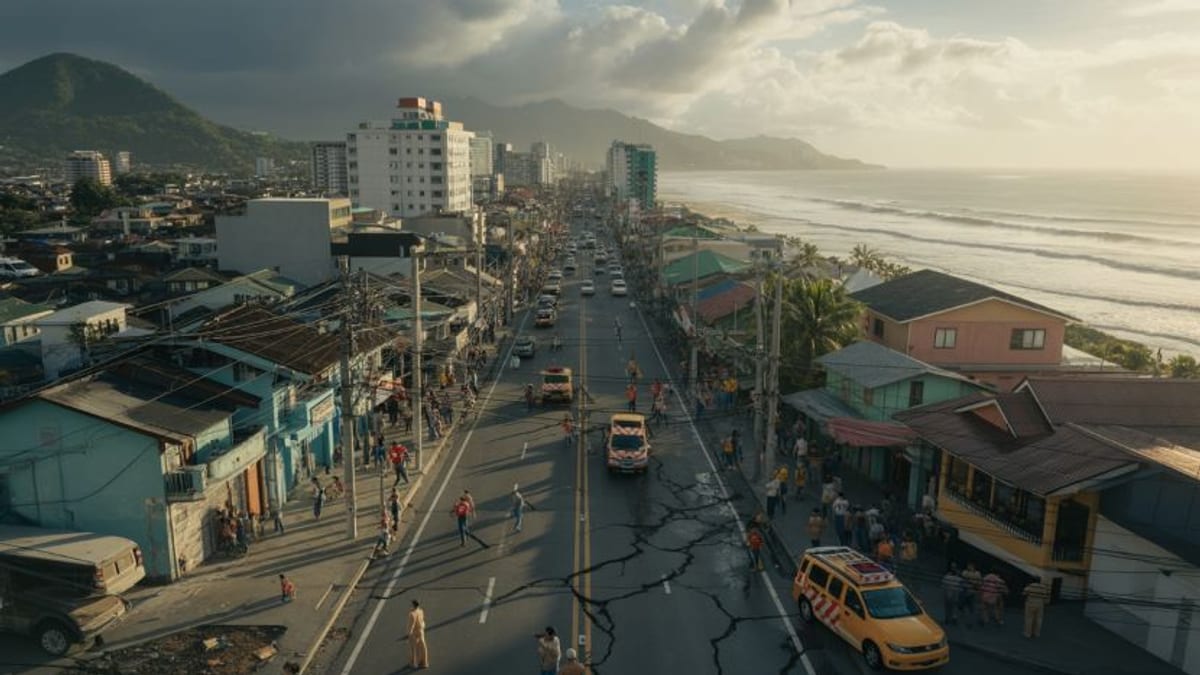
Rapid Response After Colombia’s 7.4 Magnitude Quake
A 7.4 magnitude earthquake struck western Colombia on August 10, 2026, destroying homes and infrastructure across cities such as Cali and Pereira and remote communities near the Pacific coast. Publicly available information indicates that hundreds of people have died, thousands are injured and many more have been displaced as rescue operations continue in collapsed buildings and isolated valleys.
Search and rescue teams have been racing against time, clearing debris and working around damaged roads and bridges. Coverage from international and regional outlets describes neighborhoods flattened, power and water networks disrupted and local hospitals operating close to capacity. The scale of the disaster has quickly outstripped local resources, prompting calls for coordinated international assistance from across Latin America and beyond.
Into this context, Chile has emerged as one of the most visible early responders from South America. The country’s own experience with major tremors and tsunamis over recent decades has shaped a disaster management system regarded as among the most technically advanced in the region, giving added weight to its offer of support to Colombia.
Chile Builds an Air Bridge of Humanitarian Aid
Public statements from Santiago show that Chile is organizing what officials there describe as a sustained humanitarian air bridge to Colombia. Initial flights are being prepared with search and rescue specialists, structural engineers, medical staff and field hospitals, as well as tons of high priority cargo such as water purification units, power generators, shelter materials and medical supplies.
The air bridge concept draws on Chile’s past role as both recipient and provider of post disaster assistance. Government documents on Chile’s international cooperation policy highlight an expanded mandate since 2023 for funding humanitarian actions across Latin America, including rapid deployment of experts and in kind aid. That framework is now being applied to Colombia, where Chilean teams are expected to work alongside local responders in the hardest hit municipalities.
Military and civil aviation assets from Chile are being routed to air bases in western Colombia that can handle large transport aircraft, bypassing heavily damaged roads. Publicly available information indicates that coordination is taking place through regional emergency mechanisms so that Chilean deliveries complement, rather than duplicate, shipments already arriving from other partners such as Mexico, Brazil and the United States.
Regional Solidarity and South South Cooperation
The unfolding response underscores how Latin American countries increasingly support one another when disaster strikes. In the weeks before Colombia’s earthquake, Chilean teams were present in Venezuela following twin quakes there, and Colombian responders have in the past taken part in operations in Ecuador, Peru and Haiti. Analysts of regional policy describe this as a maturing pattern of South South humanitarian cooperation centered on technical know how, logistics and shared risk.
Chile’s engagement in Colombia also reflects a broader shift in how middle income countries position themselves internationally. Rather than appearing solely as aid recipients, they are using their own disaster experience to contribute capabilities abroad, from engineering assessments to emergency telecommunications. In practical terms, this reduces the time it takes to get specialized capacity into disaster zones, while politically it reinforces the idea of a Latin American safety net built by the region itself.
For Colombia, the support arrives as humanitarian needs expand beyond the immediate rescue phase. Agencies active in the country were already responding to overlapping crises related to migration, local conflict and climate events before the quake. The arrival of Chilean personnel and supplies through an organized bridge adds depth to that response and may help keep attention on affected regions once global headlines move on.
Tourism Recovery Under New Strain
The earthquake comes at a delicate moment for Colombia’s tourism industry. In recent years the country had been celebrating record visitor numbers driven by improved security, renewed air connectivity and aggressive promotion of destinations such as Medellín, Cartagena, the Coffee Region and Pacific whale watching routes. Domestic and international arrivals rebounded after the pandemic, supporting thousands of small businesses in hospitality, guiding, transport and cultural services.
Initial assessments from travel and aviation observers suggest that core tourism corridors remain operational, but the images of collapsed buildings and disrupted communities risk denting traveler confidence in the short term. Questions are already appearing on travel forums from visitors wondering whether to postpone trips, particularly to the western departments closest to the epicenter.
Chile faces similar sensitivities. It has been nurturing its own post pandemic tourism growth, from wine valleys and Atacama Desert expeditions to Patagonia trekking and urban breaks in Santiago and Valparaíso. Any perception that the southern Andean region is broadly unsafe because of seismic activity could weigh on both countries, even though most tourist areas and infrastructure continue to operate normally.
Managing Safety Perceptions and Future Travel Demand
Tourism analysts note that how authorities and private operators communicate in the coming weeks will be crucial for the sector’s recovery. The rapid establishment of a humanitarian air bridge, with clear visuals of coordinated rescue work and functioning airports, can help reassure potential visitors that both Colombia and Chile are capable of managing natural hazards while keeping major travel gateways open.
Industry groups in Colombia are expected to emphasize that many popular destinations, including Caribbean beach resorts and parts of the interior highlands, experienced only mild shaking and remain welcoming travelers. At the same time, responsible messaging is likely to encourage visitors to stay informed about conditions in affected provinces and to consider supporting local economies through ethical travel once reconstruction advances.
In Chile, the decision to send aid rather than scale back regional engagement sends a signal that cross border connectivity will remain a priority. Air links between the two countries, which had been steadily growing before the quake, are likely to play a dual role in the short term, carrying relief on outbound legs and tourists, migrant workers and business travelers on the return.
Over the longer term, specialists in disaster risk management argue that both nations may seek to integrate resilience more visibly into their tourism strategies, from stricter building codes for hotels to improved emergency signage and traveler education. Chile’s current support to Colombia may therefore foreshadow a deeper partnership in which lessons from this disaster shape safer, more sustainable tourism across the Andes and Pacific coast.