


More news on this day
As Europe’s peak travel season drives visitor numbers to record levels, a growing “destination dupes” movement is steering crowd-weary tourists toward quieter stand-ins for famous hotspots, with the lagoon town of Comacchio now emerging as an unexpected challenger to Venice’s overburdened charm.
Get the latest news straight to your inbox!
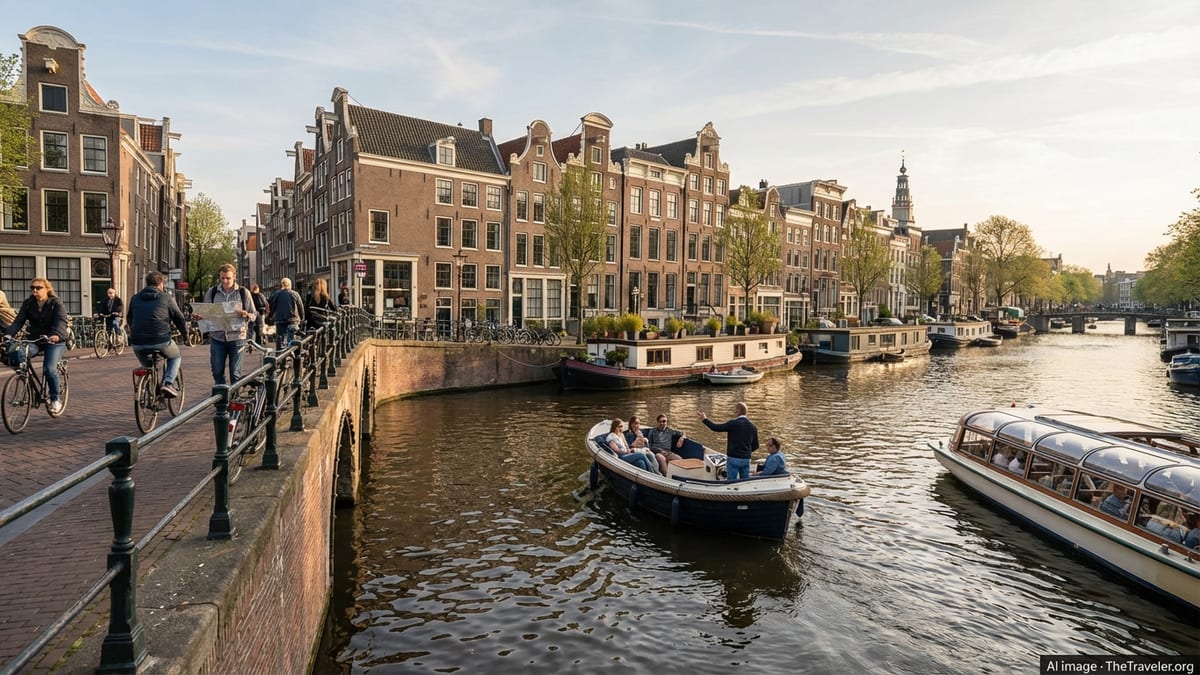
Destination Dupes Redefine Europe’s Tourist Map
The idea of the “destination dupe” has moved from social media buzzword to mainstream travel strategy in 2024 and 2025. Travel trend reports and booking platforms describe it as the search for alternative destinations that offer similar scenery or atmosphere to iconic cities, but with fewer crowds and lower prices. Instead of abandoning the dream trip entirely, travelers are swapping in lookalike locations that promise more space and better value.
European tourism data shows that international arrivals have pushed well beyond pre pandemic levels, and many of the continent’s most photographed cities are once again grappling with congestion, higher prices and pressure on local infrastructure. Industry analyses suggest that cost of living concerns, climate worries and frustration with overtourism are prompting travelers to consider second tier destinations that feel more sustainable and more relaxed.
Travel brands and tourism boards across Europe increasingly reference “dupe” destinations in marketing and forecasting. Recent consumer insight surveys indicate that a sizable share of travelers are open to choosing a less famous city if it offers a similar experience with fewer people and better affordability. This has helped to elevate a new generation of European towns and small cities that would once have struggled to compete with the continent’s star attractions.
Venice Tightens Rules as Crowds Reach a Tipping Point
Venice remains one of Europe’s marquee destinations, drawing millions of visitors each year to its canals, palazzi and world renowned cultural heritage. Publicly available figures for recent years show international arrivals returning to or surpassing pre pandemic volumes, even as the resident population in the historic center continues to shrink. The imbalance between visitors and locals has become a symbol of overtourism across the continent.
In response, the city has introduced a series of measures designed to manage visitor flows and preserve quality of life. These have included restrictions on large cruise ships entering the historic lagoon and, more recently, a trial of day trip charges aimed at discouraging the most intense peaks of crowding. Coverage in European media portrays Venice as a test case for how heritage cities can reconcile mass tourism with environmental and social sustainability.
For many travelers, however, the practical effect has been a perception that Venice is both more expensive and more complicated to visit. Travel platforms report strong demand for Italian experiences that echo Venice’s atmosphere without the logistical challenges of navigating its busiest months. That context has created space for lesser known lagoon towns, particularly along the Adriatic and in northern Italy, to position themselves as gentler alternatives.
Comacchio: A Quiet Lagoon Town Steps Into the Spotlight
Comacchio, in Italy’s Emilia Romagna region, has become one of the most talked about “Venice alternatives” in this new era of destination dupes. Often described in travel coverage as a miniature or quieter version of Venice, the town is built on a network of canals in a lagoon landscape north of Ravenna, linked historically to fishing and salt production. Its compact historic center is crossed by low brick bridges and dominated by the striking Trepponti, a multi stair bridge that has become a favorite image on social platforms.
Tourism to Comacchio and its nearby Adriatic resort area, known as the Lidi di Comacchio, has been steadily rising according to regional tourism statistics and local planning documents. The town remains far smaller and less visited than Venice, but its profile has been boosted by Italian and international travel media that highlight it as an under the radar lagoon escape. Articles in recent years have drawn attention to its pastel houses, quiet waterways and seafood traditions centered on eel and local fish.
Unlike many coastal resorts developed primarily for mass sun and sand tourism, Comacchio combines access to long, low slung beaches with a historic core that encourages slow exploration on foot or by small boat. Its position between the Po Delta wetlands and the art cities of Ferrara and Ravenna allows visitors to mix nature, birdwatching and culture focused day trips. This blend has become especially appealing to travelers looking for longer, more varied itineraries across northern Italy.
How Comacchio Compares With Venice on Experience and Cost
Travel comparisons between Venice and Comacchio tend to focus first on atmosphere. Both are lagoon settlements where canals define the townscape, but Comacchio’s smaller scale and lower visitor density often result in quieter streets, shorter queues and more interaction with everyday local life. Travel writers note that it is possible to cross the historic center in minutes while still finding uncrowded viewpoints and relaxed canal side bars and restaurants.
Accommodation and dining are generally described in published guides as more affordable than in Venice’s historic core, particularly during high season. While luxury properties are limited, a range of small hotels, guesthouses and apartments serve both beachgoers and cultural travelers. Publicly available price comparisons from booking platforms suggest that average nightly rates and restaurant bills in Comacchio and the surrounding coast are typically lower than those in Venice and the nearby Veneto lagoon resorts during summer.
There are trade offs. Venice offers an unparalleled concentration of museums, churches and historic landmarks that no smaller town can replicate, and its waterborne public transport network makes it possible to explore dozens of islands and neighborhoods. Comacchio, by contrast, is more intimate and depends partly on car or regional bus connections for access to beaches and surrounding wetlands. For some travelers, that simplicity is an advantage, while others may prefer Venice’s density of cultural attractions.
Environmental considerations also shape the comparison. Both Venice and Comacchio sit in fragile lagoon ecosystems sensitive to rising sea levels and human pressure. Regional planning documents highlight ongoing efforts to balance tourism development with the protection of wetlands, bird habitats and traditional fishing structures in the Po Delta. Visitors attracted by the destination dupe concept are increasingly encouraged, in official promotional material, to choose low impact activities such as cycling, walking and guided boat tours with an ecological focus.
A Test Case for Europe’s Shift Toward Second Tier Cities
The growing interest in Comacchio illustrates a broader structural shift in European tourism. Industry trend reports observe that travelers from North America and Asia are more frequently combining marquee cities with smaller regional centers, or substituting the latter entirely in search of value and authenticity. This pattern is mirrored across the continent in places such as lesser known Greek islands, interior Portuguese cities and eastern Adriatic ports that echo the look and feel of more famous neighbors.
For policy makers and local communities, the rise of destination dupes presents both opportunity and challenge. On the one hand, spreading visitor flows across a wider range of towns promises economic diversification and relief for overstretched hotspots. On the other, rapid visibility through social media can transform quiet places into crowded ones within a few seasons, raising questions about how to plan infrastructure and protect cultural and natural assets before pressure mounts.
Comacchio’s current moment as a Venice dupe offers a glimpse of this delicate balance. Publicly available commentary from regional tourism bodies emphasizes slow growth, seasonality management and links with nearby cities and nature parks rather than rapid expansion of large scale resorts. Whether the town remains a low key alternative or evolves into a major Adriatic destination will depend on how travelers respond to the dupe trend and how local and regional planners shape development in the coming years.
As Europe’s tourism industry continues to seek ways to reconcile strong demand with environmental and social limits, the fate of small lagoon towns like Comacchio will help indicate whether destination dupes can genuinely ease pressure on the continent’s icons or simply shift the crowds from one postcard perfect canal to another.