


More news on this day
Rail services through Cosham in Portsmouth were thrown into disarray after a flat fire next to the station led to an evacuation and temporary suspension of trains through the busy Hampshire interchange.
Get the latest news straight to your inbox!
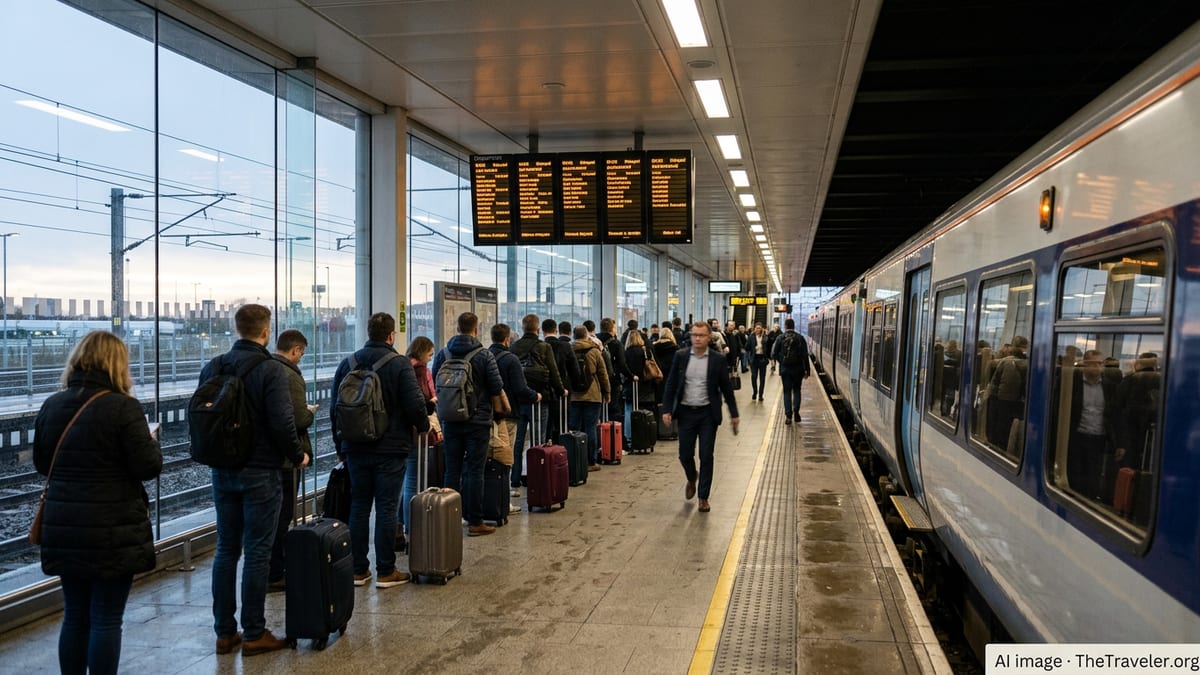
Flat fire breaks out beside Cosham railway station
Emergency crews were called to a residential property close to Cosham railway station after reports of a flat fire, leading to significant disruption on one of south Hampshire's key commuter corridors. Early reports from local media and social channels indicate the blaze affected a flat in a low rise block near the station approaches, sending smoke across nearby roads and rail lines.
The incident occurred close to the tracks that run through Cosham, a junction station on routes linking Portsmouth with Southampton, Brighton, Bristol and London via different operators. Publicly available information shows that trains were brought to a halt in both directions while firefighters worked at the scene and rail staff coordinated the safe management of passengers.
Initial accounts shared by local residents describe visible smoke and a strong smell of burning in the streets around the station. These reports suggest that access to parts of the surrounding area was briefly restricted while crews tackled the blaze and checked adjacent properties.
Station evacuated and trains halted for safety checks
As the response unfolded, Cosham station was cleared of passengers as a precaution while the situation at the nearby flat was assessed. Trains were either held outside the station, rerouted where possible or cancelled, creating knock on disruption for journeys into Portsmouth and across the wider network.
Rail industry information for the area indicates that Cosham functions as an important interchange on the south coast, with services operated by multiple companies. Because of that role, even a short closure can have a notable impact on connections, particularly during commuter periods when trains are often already busy.
Published travel updates suggest that services between Portsmouth and Southampton, as well as routes towards Brighton and Bristol, were among those affected. Passengers reported extended journey times, short notice platform changes and trains skipping Cosham while the station remained closed.
While the evacuation was described in online updates as precautionary, it was maintained until fire crews and rail staff were satisfied that it was safe to reopen the station and resume movements through the affected section of track.
Knock on disruption across south coast rail routes
The temporary closure at Cosham quickly fed into wider network disruption, with delays and alterations persisting after the immediate fire response had been brought under control. Because trains and crew can be displaced when a key station is closed, operators often require additional time to restore normal timetables even once lines are reopened.
According to travel information published for south coast routes, passengers were advised to check for live updates and allow extra time for journeys through Portsmouth and the surrounding area. Some services were reported as starting or terminating short of their planned destinations, while others were diverted via alternative routes where capacity allowed.
Cosham has been highlighted in previous regional reviews as a potential pinch point during signalling faults or infrastructure incidents, and the latest disruption appeared to follow a similar pattern, with congestion building quickly on approaches to the junction. Trains following behind delayed services also experienced knock on lateness, adding to the scale of the disruption.
For many travellers, the incident added to a broader sense of fragility on local rail links, with recent commentary from commuters in the Portsmouth area already drawing attention to repeated delays and service alterations between nearby stations.
Residents evacuated as investigations continue
Reports from the scene indicate that residents from the affected flat and parts of the surrounding building were moved to safety while firefighters brought the blaze under control. Early accounts suggest that the fire was contained to one property, though smoke and the presence of emergency vehicles created a wider impact on nearby streets.
Publicly available information from earlier flat fires in Cosham and the wider Portsmouth area shows that investigators typically examine factors such as electrical faults, cooking incidents and the spread of smoke through communal areas. In this latest case, the exact cause of the blaze had not been detailed in initial updates.
Local coverage notes that no serious injuries were immediately reported among residents or rail passengers, although medical crews were on standby as a precaution. Building checks and safety assessments are expected to continue, which may mean some residents face temporary displacement while any damage is assessed and repairs planned.
Passenger experience and calls for clearer communication
As disruption unfolded, passengers on affected trains and at nearby stations highlighted the challenge of obtaining timely information about what was happening at Cosham. Social media posts from rail users referenced vague announcements on board trains and at platforms, with some travellers learning of the flat fire only after seeing images and videos shared online.
Industry reports about previous incidents in the region have repeatedly recommended clearer, more frequent communication when emergencies occur near the railway. Travel commentators argue that even short, factual updates can help passengers make informed choices about alternative routes, especially in areas with multiple possible connections by rail or bus.
The incident at Cosham is likely to prompt further discussion over resilience on the busy south coast corridor, where infrastructure constraints mean a single unplanned closure can reverberate for hours. Observers suggest that updated contingency planning, coupled with investment in signalling and station facilities, could help limit the scale of disruption when similar incidents arise in the future.