


More news on this day
Travelers across Europe, Russia, Türkiye, the United States and beyond are facing another wave of aviation disruption as 39 flights were canceled and 126 delayed in a single day, with new data showing KLM, British Airways, Aeroflot and Pegasus among the carriers most affected at major hubs including Amsterdam, London and Moscow.
Get the latest news straight to your inbox!
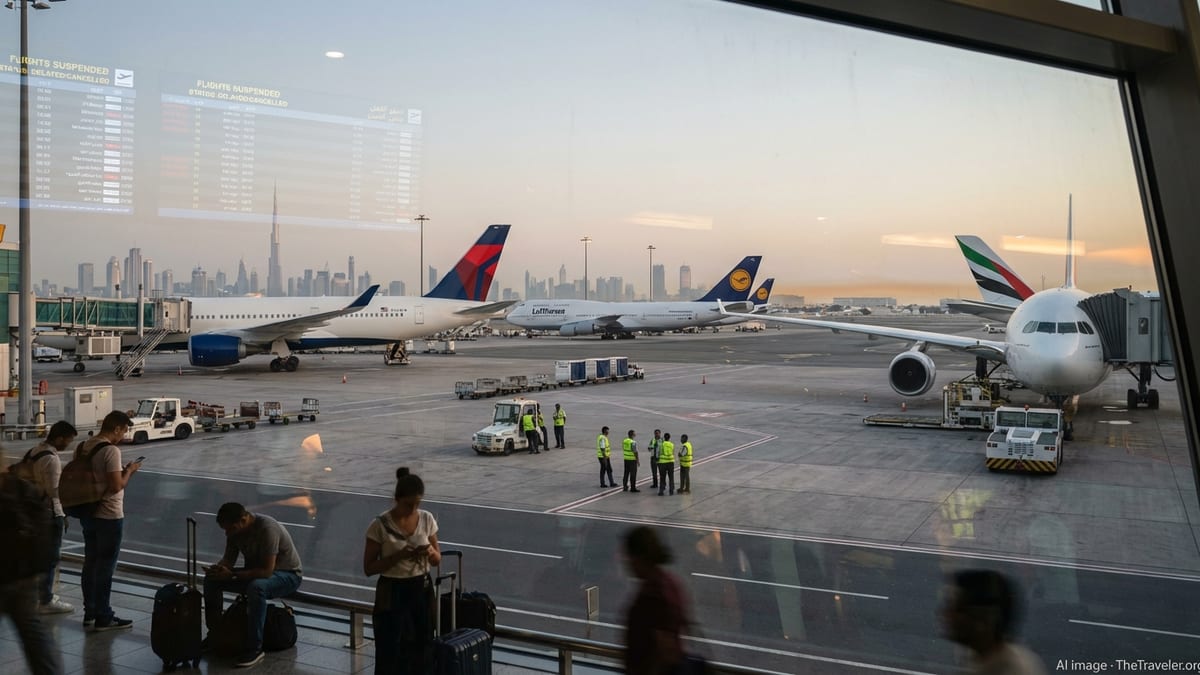
Fresh Data Shows a New Spike in Global Flight Disruptions
Publicly available operational snapshots for early June 2026 indicate that the latest disruption event is concentrated around four key carriers: KLM, British Airways, Aeroflot and Pegasus. Across their combined networks, at least 39 scheduled flights were canceled and 126 delayed within a 24 hour window, touching airports in the Netherlands, United Kingdom, Russia, Türkiye, the United States, Switzerland and several other countries.
The pattern reflects a broader trend of fragile airline schedules entering the summer season. Aggregate data from flight tracking services and passenger rights platforms for recent days point to a sustained level of operational stress at European hubs, particularly Amsterdam Schiphol and London airports, where delays and cancellations have been building through early June.
A notable feature of the latest figures is their geographic spread. Disruptions that originate in Amsterdam or London often cascade into onward services to North America, the Middle East and Asia, leaving passengers stranded in secondary hubs such as Zurich, Istanbul, New York and regional Russian airports when aircraft and crews fail to arrive on time.
Although the precise blend of causes varies by flight, the statistics underscore how even modest disturbances can ripple quickly through tightly scheduled airline networks, especially when multiple carriers are affected on the same day.
Amsterdam and London Again at the Center of Operational Strain
Amsterdam Schiphol and London remain key pinch points in the current disruption cycle. Recent days have already seen elevated levels of delays and cancellations at Schiphol, where KLM operates an intensive hub schedule that depends on short ground times and carefully synchronized connections. When a single bank of flights is disrupted, the impact tends to flow outward across Europe and onto long haul routes.
In London, British Airways faces similar challenges at its primary base, with high aircraft utilization and heavy use of short haul feeders into transatlantic and long haul departures. When those feeder services encounter delays or cancellations, travelers bound for destinations in the United States, the Middle East or Africa may find their onward journeys postponed by many hours or even into the next day.
Operational reports for early June show that both Amsterdam and London have experienced clusters of cancellations over several consecutive days, rather than isolated one off events. Even when weather or airspace conditions improve, residual congestion and the need to reposition aircraft can mean that recovery takes longer than passengers might expect.
These repeated disruptions have left many travelers attempting to rebook at short notice, often competing for a limited number of available seats on alternative flights or routing options, particularly at peak travel times.
Impact Spreads to Moscow, Istanbul, Zurich and U.S. Gateways
The latest data also highlights how issues at Western European hubs can combine with separate operational challenges in Russia and Türkiye to create a truly global web of disruption. Aeroflot services centered on Moscow have registered cancellations and delays that contribute to the overall tally, affecting domestic connections as well as regional links to cities across Europe and Asia.
Pegasus, which operates a large network from Istanbul and other Turkish airports, has also reported affected flights, resulting in stranded or delayed passengers not only in Türkiye but in European destinations served by the low cost carrier. These disruptions, when added to problems already unfolding in Amsterdam and London, have increased pressure on alternative routings through Istanbul and other regional hubs.
Secondary European hubs such as Zurich, Geneva and Vienna have not been immune. When long haul flights from Amsterdam or London are delayed or canceled, passengers are sometimes rebooked through Swiss or Austrian airports, which can lead to crowding at transfer points and further knock on delays, even if local weather and infrastructure are functioning normally.
In the United States, flight status data shows irregular operations on certain transatlantic services linked to the disrupted European hubs. Passengers arriving late into cities such as New York, Boston or Chicago may miss onward domestic connections, extending the disruption well beyond the original international flight.
Knock On Effects for Passengers and Airline Operations
The practical effects for travelers caught up in this wave of cancellations and delays are significant. Reports from consumer advocacy organizations and passenger forums describe missed connections, forced overnight stays, and long queues at airport service desks as people seek rerouting or refunds. In some cases, travelers have turned to rail or long distance bus options when flight alternatives proved scarce.
Regulatory frameworks such as European and United Kingdom passenger rights rules can offer compensation or reimbursement in specific circumstances, but travelers often face complex eligibility criteria that depend on the cause of the disruption and whether it was within the airline’s control. Publicly available guidance stresses the importance of documenting delays, keeping receipts for extra costs and checking official airline communications on rebooking options.
For airlines, the operational challenge extends beyond the immediate wave of affected flights. When an aircraft ends the day in the wrong city or a crew reaches duty time limits because of earlier delays, it can disrupt rotations for several days. This is especially acute for carriers like KLM and British Airways that rely on network banks timed around morning and evening peaks at their hubs.
Industry analysis notes that once a certain threshold of disruption is reached, airlines may proactively cancel additional flights in order to stabilize the schedule, freeing up aircraft and crews to restore reliability on core routes. While this strategy can limit wider network chaos, it inevitably increases the number of passengers who must be rebooked or compensated in the short term.
What Travelers Can Expect in the Coming Days
Forward looking operational indicators suggest that conditions at Amsterdam, London and Moscow could remain fragile in the near term. Forecasts for air traffic control capacity, crew availability and airport demand point to the possibility of further localized disruptions that may again spread across regions if not quickly contained.
Airlines are encouraging passengers through public information channels to monitor their flight status closely on the day of travel and to allow extra time for connections, particularly when itineraries involve multiple carriers or tight transfer windows at busy hubs. Rebooking tools and mobile applications continue to play an important role in helping passengers adjust plans without waiting in physical queues.
Travel industry observers note that the current episode follows several months of intermittent disruption events involving the same group of European carriers and hubs. As summer demand builds, the resilience of airline networks and airport infrastructure is likely to face further tests, especially on routes linking Europe with North America, the Middle East and popular holiday destinations in Türkiye.
For now, the latest figures of 39 cancellations and 126 delays across KLM, British Airways, Aeroflot and Pegasus serve as another reminder that even on days without dramatic weather or headline making incidents, airline operations can be finely balanced, with relatively small disturbances still capable of stranding travelers across multiple continents.