


More news on this day
Dozens of flights have been cancelled and more than 400 delayed across Australia and New Zealand, as a wave of disruption affecting Jetstar, QantasLink, Virgin Australia, Air New Zealand, Sounds Air and other carriers ripples through major hubs in Melbourne, Sydney, Wellington and Christchurch.
Get the latest news straight to your inbox!
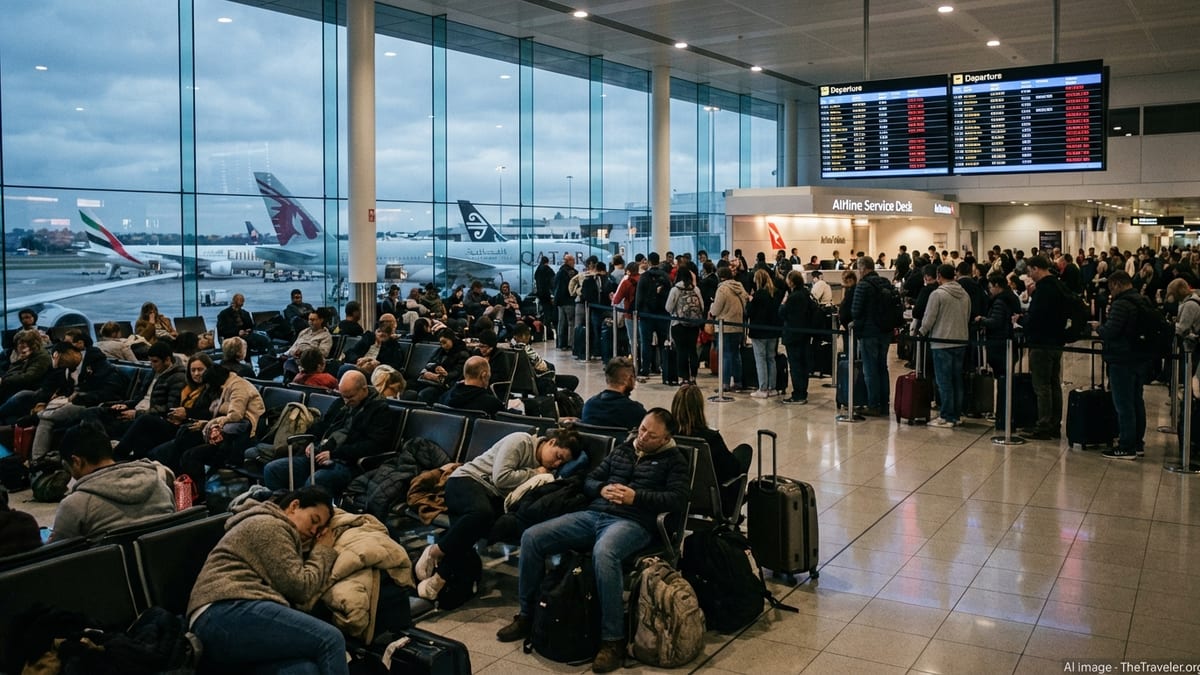
Major Hubs Struggle With Wave of Cancellations and Delays
Reports from aviation data trackers and regional travel outlets indicate that 38 services have been cancelled and well over 400 flights delayed across the Australian and New Zealand networks, creating bottlenecks at key airports on both sides of the Tasman Sea. The impact has been most visible at Melbourne Tullamarine and Sydney Kingsford Smith in Australia, and at Wellington and Christchurch in New Zealand, where departure boards have shown rolling delays across large portions of the day.
The disruption spans a mix of domestic and trans-Tasman routes, with short-haul sectors between Melbourne, Sydney, Wellington and Christchurch among those most affected. Publicly available flight summaries for recent disruption days in the region show similar patterns, with clusters of cancellations and a far larger number of services pushed back by 30 minutes or more, leading to missed connections and extended waits in crowded terminals.
While the figures fluctuate hour by hour, aviation on-time performance reports and same-day airport movement data point to a network under sustained pressure, with service reliability temporarily slipping well below recent monthly averages for both departures and arrivals.
Jetstar, QantasLink, Virgin Australia and Air New Zealand Under Pressure
The worst of the disruption has been concentrated within the major domestic and regional carriers that carry the bulk of passenger traffic in Australia and New Zealand. Jetstar, QantasLink and Virgin Australia, together with parent brand Qantas on some overlapping routes, account for a significant proportion of the delayed and cancelled services in and out of Melbourne and Sydney. In New Zealand, Air New Zealand’s mainline operations feature prominently in the lists of delayed flights, reflecting its dominant role on core domestic and trans-Tasman sectors.
Recent monthly performance bulletins from Australian and New Zealand transport authorities show that the mainline and low cost operators have been grappling with elevated cancellation and delay rates since late 2025, influenced by air traffic control constraints, weather and fleet availability. Those underlying pressures appear to have converged again, tipping the networks into a fresh period of operational strain just as winter travel demand builds.
Independent travel industry coverage highlights that even a handful of cancellations on busy trunk routes such as Melbourne to Sydney or Melbourne to Christchurch can quickly magnify problems across the day. Aircraft and crews fall out of sequence, connecting passengers miss onward services, and airports must re-time take off and landing sequences to accommodate late-arriving aircraft, all of which deepen the knock-on effects across the network.
Regional Players Like Sounds Air Also Caught in the Disruption
The challenges have not been confined to the major full service and low cost brands. Smaller regional carriers, including New Zealand based Sounds Air, have also been affected as weather, airspace congestion and crew resourcing issues feed through into local schedules. On days when turbulence, low cloud or strong crosswinds are present on key approaches into Wellington or Christchurch, regional turboprop services tend to be particularly vulnerable to last minute cancellations and extended holding patterns.
Public commentary from frequent flyers and community discussion forums in New Zealand suggest that Sounds Air and other regional operators sometimes opt to cancel earlier in the day if conditions are borderline, rather than risk repeated go arounds or extended airborne delays. While this can enhance safety margins and reduce fuel burn, it leaves travellers in smaller centres with fewer alternatives, especially where there is no immediate replacement flight available with a larger carrier.
These regional disruptions feed back into the wider system. Passengers arriving late from provincial cities into Wellington or Christchurch may miss their trans-Tasman connections, adding to the pool of disrupted travellers seeking rebooking options on already stretched services to Melbourne and Sydney.
Weather, Congested Airspace and Operational Constraints Cited as Key Factors
Although no single triggering event has been identified, publicly available operational notices and recent experience across the networks point to a familiar combination of factors behind the latest wave of delays and cancellations. Seasonal weather systems crossing south eastern Australia and the lower North and South Islands of New Zealand have brought periods of low visibility, gusty winds and turbulence to major approach corridors, limiting runway capacity and reducing the rate at which aircraft can safely land and depart.
Air traffic management constraints add another layer to the problem. Industry and regulatory reports from the past year describe periods of constrained staffing and airspace flow management around Sydney and Melbourne, which can quickly translate into airborne holding and ground stops when demand outstrips available slots. When those constraints coincide with busy departure banks to and from New Zealand, ripple effects extend to Wellington and Christchurch, even when local conditions there are relatively benign.
Operational resilience is also being tested by fleet and crew availability. Analysis of government and competition authority reports on domestic airline performance throughout 2025 and early 2026 shows that airlines have been operating with limited spare capacity, meaning that unplanned maintenance or crew illness can remove critical aircraft or crews from rosters with little room for substitution. On a day when multiple such issues arise across several carriers, the cumulative impact can be severe.
Passengers Face Long Queues, Missed Connections and Limited Options
For travellers on the ground, the statistical picture of cancellations and delays translates into a day of long queues, congested terminal spaces and difficult choices about rebooking. Accounts shared across public forums and in travel industry reporting describe passengers in Melbourne and Sydney spending hours in check in and customer service lines as they attempt to secure seats on later flights, often competing for a limited number of available alternatives.
At Wellington and Christchurch, travellers on disrupted trans-Tasman services have faced particular uncertainty when onward international connections are at risk. Airlines typically attempt to prioritise rebooking for passengers with same day long haul departures, but when multiple flights arrive late or not at all, some travellers are forced to overnight at their point of transit, adding accommodation and meal costs to an already stressful experience.
Consumer guidance published by regional travel outlets and aviation regulators advises passengers hit by cancellations or significant delays to retain boarding passes, booking confirmations and any written notifications of schedule changes, as these documents can be important when seeking refunds, travel credits or insurance claims. With cancellation and delay rates on key routes still elevated compared with historical norms, observers suggest that travellers in the Australia and New Zealand markets should allow extra connection time, consider earlier departures on days with critical appointments, and monitor flight status closely from 24 hours before departure.