


More news on this day
Air travel across Australia and New Zealand is facing a turbulent 2026, as rolling flight delays, cancellations and diversions ripple through major hubs from Sydney and Melbourne to Auckland and Wellington.
Get the latest news straight to your inbox!
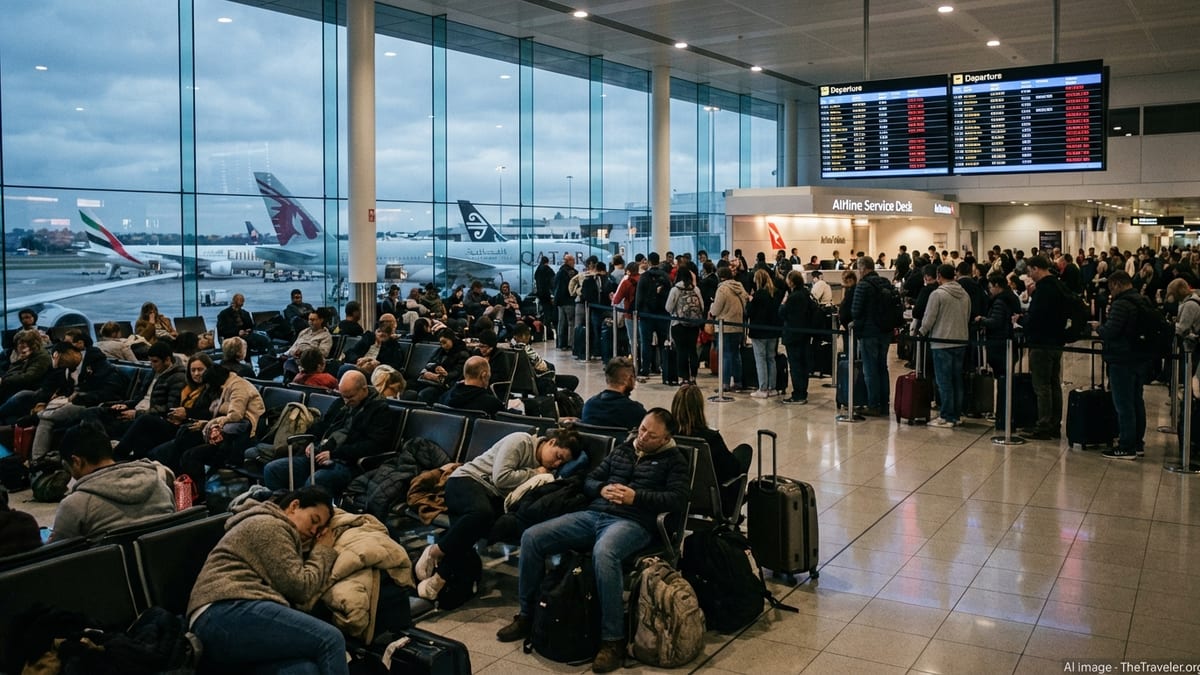
Fresh July Disruptions Underscore a Difficult Year
The latest wave of disruption arrived in mid-July, when flight tracking data showed hundreds of services running late or being cancelled across six of the region’s busiest airports. Coverage of operations on July 19 indicated that Sydney, Melbourne, Brisbane, Auckland, Wellington and Christchurch together recorded well over 300 delayed departures and dozens of cancellations within a single day, affecting trans-Tasman, domestic and wider international networks.
Separate reporting earlier in the month highlighted a similar pattern on July 3, when around 900 flights across Australia and New Zealand were disrupted in one day, including more than 800 delays and over 60 cancellations centered on Sydney, Melbourne, Auckland, Christchurch and Wellington. The figures underlined how even on days without extreme weather or major technical failures, airline schedules have been susceptible to rolling knock-on effects.
Publicly available information attributes many of these July problems to a mix of operational challenges, including aircraft rotation issues, tight crew availability and pressure on airport ground handling. With flight volumes continuing to rebuild compared with pre-pandemic levels, relatively small disturbances in one part of the network have frequently cascaded into missed connections and overnight delays for passengers on both sides of the Tasman.
For travelers, the practical impact has included last-minute schedule changes, longer queues at check-in and security, and crowded terminals as airlines work to rebook disrupted customers. Consumer advocacy commentary indicates growing frustration with irregular communication during disruption events, particularly where passengers are left uncertain about accommodation or re-routing options.
Weather and Natural Hazards Disrupt Key Gateways
Beyond day-to-day operational strains, 2026 has brought a series of severe weather events and natural hazards that have directly affected aviation in Australia and New Zealand. In New Zealand, a wet weather system in mid-February triggered heavy rain, flash flooding and landslips across parts of the North and South Islands. Official summaries of the storms note that strong winds around Wellington on February 16 led to widespread transport disruption, including the cancellation of rail services and numerous flights into and out of the capital.
Later in the year, gale-force winds and rough seas again focused attention on Wellington. In early June, Reuters reporting described how powerful gusts forced the cancellation of flights and ferries, while road closures and evacuation advisories were issued for some coastal suburbs. At Wellington Airport, one light aircraft was briefly tipped onto its wing by the wind, underscoring the operational risks posed by increasingly volatile weather conditions.
Fog has also been a recurring factor. In late March, coverage from public broadcasters and local outlets reported that low visibility around Auckland Airport led to a series of domestic cancellations and delays affecting services from regional centers such as Napier, Tauranga and Palmerston North. While international flights with more advanced landing systems were often able to continue operating, smaller domestic services were more vulnerable to disruption.
Natural hazards beyond weather have contributed to interruptions as well. Reports from earlier in the year referenced volcanic ash clouds linked to activity at Whakaari / White Island, which prompted the cancellation of a number of flights for safety reasons. Aviation specialists note that ash can damage engines and airframes, forcing airlines to divert or ground aircraft until conditions clear, regardless of the broader demand environment.
Middle East Conflict and Fuel Costs Ripple Into Tasman Routes
The conflict that erupted in Iran at the end of February has had a far-reaching effect on global aviation networks, including services that connect Australia and New Zealand to Europe, the Middle East and parts of Asia. News coverage and travel advisories describe how thousands of flights worldwide were grounded or re-routed around the conflict zone in the weeks after the outbreak, with diversions pushing extra traffic into alternative hubs.
In early March, reports from New Zealand’s immigration authorities addressed temporary visa holders stranded or delayed due to disrupted connections through Middle Eastern hubs. The guidance acknowledged ongoing cancellations and delays on routes that ordinarily rely on overflight rights and refueling stops across the region, emphasizing that onward travel plans might need to be rebooked or substantially altered.
At the same time, the war’s effect on global fuel prices has filtered into airline operations. Public discussion around Air New Zealand’s network decisions in April pointed to the rising cost of jet fuel as a key reason for selective long-haul cancellations and rebookings. While supply remained available, the higher cost environment, combined with engine maintenance constraints and currency pressures, narrowed the margins on some flights and encouraged schedule adjustments.
As airlines in both Australia and New Zealand have adjusted routings to avoid conflict areas and manage fuel expenditure, some passengers have faced longer journey times, additional stops and greater risk of missed connections. Travel forums and consumer platforms show that these indirect impacts have become a notable part of the 2026 disruption picture, even for travelers who never set foot in the affected region.
Airline Capacity, Maintenance Bottlenecks and Passenger Rights
Underlying many of the year’s problems is a structural squeeze on capacity. Airlines across the Tasman region are operating with packed schedules and limited spare aircraft, leaving little margin to recover when a flight is delayed, a crew member is unavailable or a jet comes out of service unexpectedly. Disclosures from Air New Zealand’s interim 2026 results highlight the impact of global engine maintenance delays, a slower than expected recovery in some domestic markets and rising operating costs, including airport charges and mandated levies.
Public commentary around the airline’s network has also pointed to an extended program of cancellations affecting tens of thousands of passengers early in the year, as the carrier reshaped its timetable in response to engine constraints and fuel costs. While such moves are designed to stabilize operations over the medium term, they have added to a perception among travelers that cancellations and schedule changes are now a routine risk rather than an exceptional event.
Air New Zealand’s published customer service and tarmac delay plans outline the carrier’s obligations to rebook passengers, provide care and, in some circumstances, offer compensation when flights are cancelled or significantly delayed. The documents distinguish between disruptions within the airline’s control, such as some technical or staffing issues, and those attributed to weather, natural disasters, public health events or air traffic control restrictions, where entitlements are more limited.
Similar frameworks apply to carriers such as Qantas, Jetstar and Virgin Australia, although specific conditions and compensation thresholds vary between airlines and jurisdictions. Consumer advisers in both countries encourage passengers to review airline terms and any applicable local legislation, such as New Zealand’s Civil Aviation Act provisions for domestic services, when seeking redress for disrupted trips.
Preparing for a Volatile Travel Outlook
Operational data from New Zealand’s transport authorities shows that, despite the headline disruptions, on-time performance metrics for major domestic carriers remained relatively strong in May, with punctual departure rates in the mid-80 to high-80 percent range and low single-digit cancellation rates. These figures highlight that most flights continue to operate as scheduled, even during a challenging year.
However, the combination of extreme weather, geopolitical shocks, fuel price volatility and capacity constraints suggests that volatility is likely to remain a defining feature of 2026 for travelers between Australia and New Zealand. Even when airlines perform well on average, the clustering of delays on certain days or routes can leave many passengers facing missed events, broken itineraries and added costs.
Travel guidance circulating on forums and consumer sites increasingly emphasizes building extra buffer time into itineraries, especially when connecting between domestic and international services within the region. Recommendations include allowing longer layovers, avoiding the last flight of the day on critical sectors where possible, and considering travel insurance that explicitly addresses cancellations and long delays, while noting that some policies may exclude disruptions linked to war or known fuel issues.
With peak travel periods ahead, the experience of early and mid-2026 is likely to shape how airlines, airports and regulators in Australia and New Zealand communicate about disruption risks. Publicly available information indicates a growing focus on clearer alerts, more flexible change policies during major events and continued investment in infrastructure and maintenance capacity to reduce the likelihood that routine problems escalate into network-wide chaos.