


When an overseas trip goes wrong, the real test of any travel insurance is how it responds to medical emergencies and disrupted plans. ICICI Lombard is one of India’s largest travel insurers, widely used by holidaymakers heading to destinations like Thailand, Europe, the United States and Canada. This guide breaks down, in practical terms, how ICICI Lombard travel insurance actually works on the ground for medical coverage and trip protection, using real-world style scenarios to show what is and is not likely to be covered.
Get the latest updates straight to your inbox!
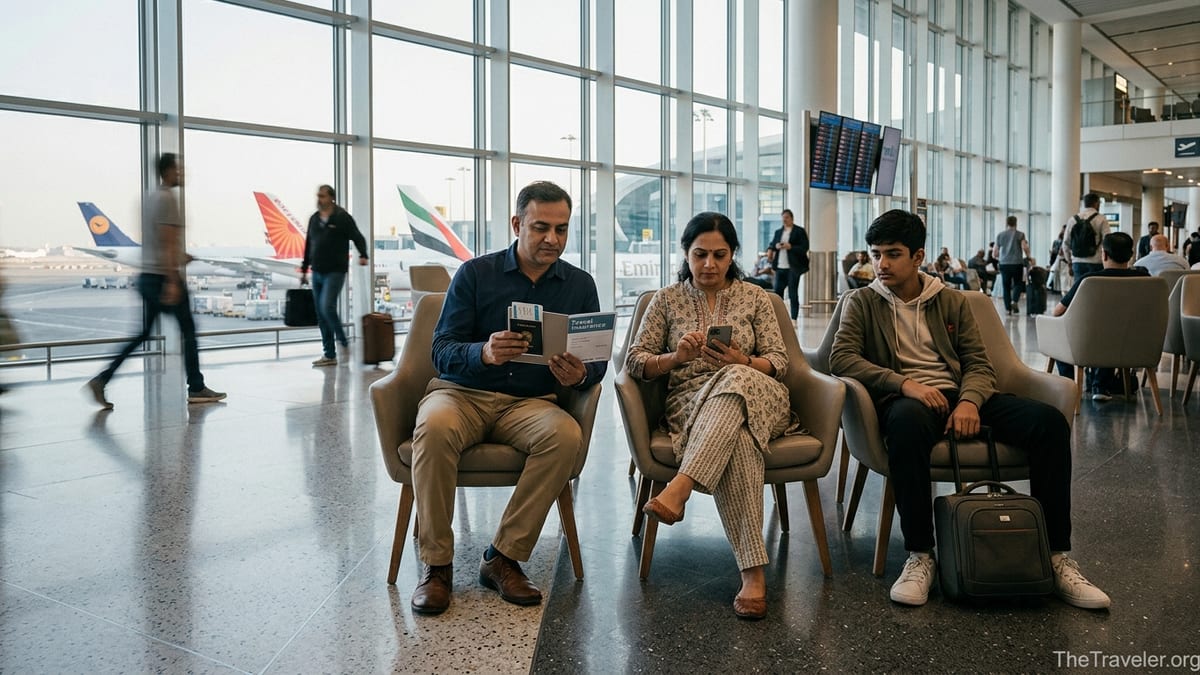
What ICICI Lombard Travel Insurance Typically Covers
ICICI Lombard’s international travel insurance is built around two big pillars: emergency medical coverage abroad and protection for your trip costs. On the medical side, policies usually include hospitalization and outpatient treatment for sudden illness or accidental injury while you are outside India, medical evacuation if you must be moved to another hospital or flown back home under medical supervision, and repatriation of remains if the insured person passes away during the trip. According to the company’s current product pages, sum insured options can go up to around 500,000 US dollars for medical expenses on some single-trip plans, which is in line with what many European consulates expect for visa applicants.
Beyond medical treatment, ICICI Lombard policies often bundle in benefits such as personal accident cover, personal liability, checked-in baggage loss or delay, loss of passport, and trip cancellation or interruption when certain listed events occur. In practice, this means that if your bag with clothes and personal items is permanently lost by an airline on a Delhi to Paris flight, or if your passport goes missing at a hotel in Dubai, the policy can reimburse reasonable costs for replacement items or new documents up to sub-limits stated in the schedule of benefits.
It is important to understand that coverage is highly plan-specific. For instance, a budget student plan designed for a six‑month stay in Germany will not have the same sub-limits or optional extras as a premium multi-trip “Gold” plan aimed at frequent business travelers flying regularly to London, Singapore and New York. Before you rely on any benefit, you need to check your own policy wording and schedule, because that is what governs what ICICI Lombard will pay if something goes wrong.
Many countries, including all Schengen states and popular destinations such as the United States and Qatar, now expect visitors to have proof of adequate travel medical insurance. Travelers routinely use ICICI Lombard’s visa-compliant plans as part of their Schengen or US visitor visa documentation, which is one reason the brand is so visible among Indian outbound travelers.
How Medical Coverage Works in Real Emergencies
The most valuable part of ICICI Lombard travel insurance is emergency medical coverage abroad, especially in high-cost destinations. Imagine a 12‑day family holiday from Mumbai to New York in May. On day three, the 56‑year‑old father develops severe chest pain in Manhattan and is rushed by ambulance to a nearby private hospital. In the United States, a single night in the intensive care unit can easily run into several thousand dollars, while a full cardiac procedure can push total bills into tens of thousands of dollars. With a travel policy that has, for example, 300,000 or 500,000 US dollars of medical sum insured, those eligible charges can be handled by the insurer within the policy’s terms instead of out of pocket by the family.
ICICI Lombard uses an assistance service provider network to help coordinate care and cashless hospitalization abroad. In a serious emergency, the family or hospital typically calls the 24x7 helpline number listed on the policy or health card. The assistance provider then liaises with the treating hospital, confirms policy details, and, where the situation meets the policy conditions, can arrange a cashless facility so that approved expenses are settled directly with the hospital, subject to deductibles and limits. In practice, this means the patient can receive care without making a large deposit, though small co-payments, non-medical items or excluded costs may still need to be paid at the hospital counter.
Not every medical problem will qualify for cashless treatment. If a traveler in Bangkok visits a small clinic for a minor ankle sprain after slipping on wet tiles at a market, the clinic might not be plugged into the cashless network. In that case, the traveler pays the bill on the spot, keeps all receipts, diagnostic reports and prescriptions, and files a reimbursement claim later through ICICI Lombard’s online portal or IL TakeCare mobile app after returning to India. Provided the injury and treatment meet the policy’s terms and deductibles, the insurer later credits the claim amount to the insured’s bank account.
Medical evacuation and repatriation benefits become critical in more complex situations. For example, a trekker with an ICICI Lombard plan could suffer acute altitude sickness on a high‑altitude trail and need emergency evacuation by helicopter to a lower-altitude hospital. If the evacuation is medically necessary and pre-approved through the assistance provider under the policy’s wording, those transportation costs are also considered under the medical benefits, which can otherwise be unaffordable for many travelers.
Trip Cancellation and Interruption: Protecting Your Bookings
A second core feature of ICICI Lombard travel insurance is trip cancellation and interruption cover, which is designed to reimburse pre-paid, non-refundable trip costs when specific covered events force you to cancel or cut short your travel. The policy wordings list reasons such as a sudden medical emergency of the insured or certain close family members, death, serious illness or accident, certain natural disasters, or other defined contingencies. Routine change of mind, worries about travel, or known risks before purchase are not covered.
Consider a couple from Bengaluru who book a 10‑night honeymoon to Switzerland, paying in advance for flights, a mountain resort near Interlaken and pre-booked train passes. Two days before departure, one partner sustains a serious leg fracture in a road accident and is medically unfit to travel for at least six weeks. If they hold an ICICI Lombard plan with trip cancellation benefits, they can submit hospital records, doctor’s certificates and proof of non-refundable bookings to claim reimbursement of the airline cancellation charges and the non-refundable part of hotel and tour payments, up to the maximum stated in their policy schedule.
Trip interruption works similarly for emergencies that occur after the journey has started. Imagine a solo traveler in Toronto on a 20‑day trip whose father back in Pune is suddenly hospitalized in intensive care due to a stroke. The traveler decides to return to India on day six. The policy’s trip interruption section, where applicable, can reimburse the unused portion of prepaid hotel stays and tours and may also cover reasonable additional transport costs for the earlier flight back, provided the event and expenses fit within the conditions laid out in the policy wording.
These protections are never unlimited. Policies specify a maximum amount for trip cancellation and interruption, often as a rupee or US dollar figure separate from medical coverage. Exclusions also apply. For instance, cancellations due to pre-existing conditions that were unstable before travel, events already widely known when you bought the policy, visa refusal, business-related changes in travel dates, or voluntary changes in trip plans are often excluded. Travelers should always read the cancellation and interruption sections carefully, particularly the list of “what is not covered,” before assuming any cost will be reimbursed.
Common Exclusions and Fine Print Travelers Often Miss
Many disputes about ICICI Lombard travel insurance arise not because benefits do not exist, but because travelers misunderstand exclusions or documentation requirements. Nearly all travel policies limit or exclude treatment related to undeclared pre-existing illnesses, routine check-ups, cosmetic procedures, pregnancy-related events beyond certain weeks, and certain mental health conditions. If a traveler with long-standing, poorly controlled diabetes or heart disease does not disclose this correctly or buys a plan that does not include pre-existing disease coverage, claims arising from related complications can be significantly reduced or rejected under the policy’s terms.
Another commonly overlooked area is adventure sports and hazardous activities. Standard leisure policies often exclude injuries from activities such as professional mountaineering, skydiving or organized motorsports unless an additional premium has been paid for specific adventure sports coverage. For example, if a tourist signs up on the spot for high-altitude off-piste skiing in the Alps and is injured in a fall, the insurer may categorize this as a high-risk sport outside normal leisure skiing and refuse the medical claim if the policy did not include the relevant add-on.
Sub-limits and deductibles can also materially affect how much ICICI Lombard pays, even when a claim is accepted. Some policies cap specific expenses, such as outpatient treatment, dental care, or daily room rent, to fixed amounts. Others impose a time excess for certain benefits, like delay of checked-in baggage. For instance, baggage delay cover may activate only if luggage is delayed beyond a certain number of hours, and compensation may be limited to reasonable emergency purchases such as toiletries and basic clothing rather than luxury items. Travelers who assume “everything is covered” are sometimes surprised to learn that these sub-limits significantly reduce their final payout.
Documentation requirements are another stumbling block. For medical claims, ICICI Lombard typically expects original or scanned copies of hospital bills, prescriptions, diagnostic reports, discharge summaries and doctor’s notes that clearly describe the diagnosis and treatment given. For trip cancellation, travelers must usually provide proof of bookings, cancellation policies from airlines or hotels, and evidence of the triggering event, such as a medical certificate or death certificate. Missing paperwork can slow claims or lead to partial settlements that feel unfair, even when they are consistent with the policy wording.
How the Claim and Cashless Process Works in Practice
In a medical emergency abroad, the first step is always to prioritize safety and obtain urgent treatment. As soon as it is reasonably possible, the insured or a companion should contact the 24x7 helpline number printed on the ICICI Lombard travel card or policy document. For serious hospitalizations, this call is vital because the assistance provider needs to open a case, gather medical information from the treating hospital, and initiate the cashless approval process if the incident appears covered under the policy.
Take a real-world style example. A traveler from Chennai on a 15‑day trip to London slips on a staircase at a train station, suffers a hip fracture and is taken by ambulance to a major NHS hospital. Within a few hours, the hospital’s international patient desk contacts ICICI Lombard’s assistance partner using the number on the insurance card. After receiving medical reports and confirming the policy details, the assistance provider can issue a cashless guarantee of payment for eligible expenses under the policy’s medical section, subject to deductibles and limits. The traveler signs some paperwork but does not have to place a huge deposit with the hospital, and can focus on surgery and recovery.
For smaller incidents or when cashless is not feasible, the process works differently. Suppose a traveler in Bali suffers a bout of severe food poisoning, visits a local clinic, and spends the equivalent of 150 US dollars on consultation, blood tests, medicines and fluids. The clinic may ask for full payment in cash or by card at the time of treatment. The traveler later logs into the IL TakeCare app, uploads scans or photos of all bills, prescriptions, and the passport and boarding pass, and submits a reimbursement claim under the overseas medical expenses benefit. After assessment, ICICI Lombard transfers the admissible amount, minus any deductible, to the traveler’s bank account.
Trip-related non-medical claims follow a similar digital-first pattern. For example, if a connecting flight from Delhi to Istanbul is delayed long enough that the checked-in baggage misses the onward connection to Rome and only arrives 36 hours later, the insured can submit baggage delay claims with boarding passes, airline delay confirmation, baggage tags and receipts for emergency purchases. The insurer evaluates whether the delay period and purchases fall within the policy’s conditions before processing reimbursement. Throughout, travelers can generally track claim status online or through the app, though response times can vary depending on complexity and the volume of cases under review.
Realistic Scenarios: Where Coverage Helps and Where It May Fall Short
Practical examples highlight the strengths and limits of ICICI Lombard travel insurance. Consider an elderly parent visiting their children in Canada with a plan that includes limited cover for declared pre-existing conditions up to a certain sub-limit, say 100,000 US dollars within an overall higher medical sum insured. If the parent suffers a heart attack during the visit and requires intensive treatment, the hospital bill can easily exceed this sub-limit. In such a scenario, the insurer may only settle expenses up to the pre-existing disease cap, leaving the family responsible for the remaining balance, which can still be substantial.
On the other hand, the same policy can be invaluable in more typical situations. A 30‑year‑old traveler spending two weeks in Spain might experience a sudden appendicitis attack and need urgent surgery in a private hospital. With no significant medical history and a robust ICICI Lombard policy in place, the assistance provider can coordinate cashless surgery and hospital stay within the overall medical sum insured, sparing the traveler from a stressful scramble for funds in a foreign country.
Trip protection scenarios are equally instructive. Suppose a family has paid in full for a December holiday in Japan, including a non-refundable ski package in Hokkaido. Two weeks before departure, a powerful typhoon hits the region, damaging local infrastructure and forcing the resort to suspend operations temporarily. If Japanese authorities or the resort officially cancel services and the event falls under the policy’s definition of natural calamity affecting the destination, the family can claim trip cancellation benefits for non-refundable amounts. However, if the storm is widely forecast and the family buys insurance after it is already known, the event may be considered pre-existing knowledge and not covered.
There are also everyday frustrations that travel insurance cannot fully solve. For instance, if an airline reschedules a flight by just a few hours, leading to a short delay and missed hotel breakfast but no significant additional cost, it is unlikely that any trip delay or inconvenience benefit will apply. In another example, if a traveler voluntarily upgrades to business class for comfort after a minor yet covered medical event, the insurer will usually only consider reimbursement up to the cost of the original economy ticket, leaving the traveler to pay the difference.
How to Choose and Use ICICI Lombard Travel Insurance Wisely
To get the most from ICICI Lombard travel insurance, selection and preparation matter as much as the policy itself. Before purchase, travelers should start by mapping the trip: destination, duration, planned activities and existing health conditions. A weekend shopping trip to Dubai has very different risk and cost levels than a three‑month research stay in Europe or a multi-country business itinerary across North America and East Asia. Choosing an appropriate sum insured and plan type is crucial, because upgrading coverage after a claim incident is not an option.
For example, a family of four flying to the United States for three weeks might decide that a 500,000 US dollar medical sum insured with robust trip cancellation and baggage benefits is worth the higher premium, given the extreme cost of American healthcare and complex connections. In contrast, a solo backpacker on a low-budget Southeast Asia circuit might prioritize a plan with moderate medical coverage, clear emergency evacuation provisions, and basic baggage and passport benefits that keep the premium affordable while still offering meaningful protection.
Once a policy is purchased, travelers should immediately download and save copies of the policy schedule and wording, and store the emergency helpline numbers in their phone. Printing a small card with policy number and helpline details and keeping it with the passport and wallet is sensible. If traveling with elderly relatives or children, make sure everyone knows where the insurance details are stored, and consider sharing them with close family members back in India who may need to coordinate in an emergency.
During the trip, prompt communication often improves outcomes. If you are advised to undergo any non-trivial treatment, surgery or evacuation, it is prudent to call the assistance provider before consenting, unless it is an immediate life-saving emergency. This allows the insurer to confirm coverage, guide you to appropriate facilities, and reduce the risk of later disputes. Keeping a basic record of events, such as dates, times, names of doctors and copies of prescriptions, also makes the claim process smoother once you are stable or back home.
The Takeaway
ICICI Lombard travel insurance can provide robust financial protection for Indian travelers facing sudden illness, injury or major trip disruptions abroad, particularly in countries where even basic hospital care can be extremely expensive. Its combination of medical coverage, emergency evacuation, baggage protection and trip cancellation or interruption benefits is broadly comparable to what many international travelers expect, and the wide availability of visa-compliant plans makes it a practical choice for Schengen and US-bound journeys.
At the same time, like any insurance product, it is not a blank cheque. Pre-existing conditions, high-risk activities, undocumented expenses and events that do not match the policy’s definitions of covered contingencies can result in partial payouts or denied claims. The most satisfied customers tend to be those who selected their plan thoughtfully, disclosed their health situation honestly, read the fine print before departure, and stayed in close contact with the assistance provider when problems arose.
For travelers willing to invest a little time in understanding how ICICI Lombard travel insurance works, the payoff can be significant: the reassurance that, if a sudden medical emergency or major travel disruption strikes far from home, a structured financial safety net stands between them and potentially ruinous costs.
FAQ
Q1. Does ICICI Lombard travel insurance cover COVID-19 related treatment abroad? ICICI Lombard’s current single-trip plans generally mention coverage for medically necessary COVID-19 treatment, subject to policy terms, sub-limits and exclusions. However, coverage can vary between products and may change over time. Travelers should read the latest policy wording and confirm whether COVID-19 is covered, to what extent, and whether any specific declarations or conditions apply before relying on it.
Q2. How does cashless hospitalization work with ICICI Lombard travel insurance? In a serious emergency, you or the hospital contact the 24x7 helpline printed on your policy card. The assistance provider collects medical details, confirms policy validity and, if the situation and treatment are covered, issues a guarantee of payment to the hospital. Eligible bills are then settled directly with the hospital within policy limits, while you may still need to pay deductibles, non-medical items or excluded costs. If cashless cannot be arranged, you can pay upfront and later seek reimbursement.
Q3. Are pre-existing medical conditions covered under ICICI Lombard travel policies? Standard leisure policies often limit or exclude treatment arising from pre-existing conditions unless a specific plan or add-on for such conditions is purchased and correctly declared. Some plans may provide limited coverage up to a smaller sub-limit for acute exacerbations of declared conditions. Travelers with long-term illnesses such as diabetes, heart disease or hypertension should check whether their chosen product includes any pre-existing cover, what the caps are, and what disclosures are required at the proposal stage.
Q4. What documents are needed to file a medical claim after returning to India? For reimbursement claims, ICICI Lombard typically expects the policy copy and passport details, boarding passes, original hospital bills and receipts, itemized statements, prescriptions, diagnostic or lab reports, discharge summaries and a filled claim form. The insurer may also ask for additional information such as treating doctor’s notes or local police reports in accident cases. Keeping all paperwork organized and legible makes assessment faster and reduces the chance of repeated queries.
Q5. Does ICICI Lombard travel insurance cover adventure sports injuries? Many base policies treat high-risk or professional sports as exclusions. Leisure activities that are low-risk and incidental to travel may be covered, but more hazardous pursuits such as paragliding, scuba diving beyond recreational limits, or organized mountaineering may be excluded unless an adventure sports add-on is purchased. Anyone planning such activities should verify coverage before departure and consider upgrading to a plan that explicitly mentions those sports.
Q6. How does trip cancellation coverage work if I fall sick before departure? If you are medically unfit to travel due to a sudden illness or accident that arises after the policy start date, and your plan includes trip cancellation, you can claim for non-refundable prepaid expenses like flights, hotel bookings and tours. You must provide medical certificates, diagnostic reports and proof of the booking and cancellation terms. Claims are paid up to the trip cancellation limit in your schedule, and events or illnesses existing before the policy was bought may be excluded.
Q7. What happens if my checked-in baggage is delayed or lost? If your checked-in baggage is delayed beyond the minimum number of hours stated in your policy, ICICI Lombard may reimburse reasonable emergency purchases of clothing and toiletries up to a fixed limit, on submission of airline confirmations and receipts. If the baggage is declared permanently lost by the airline, the policy may reimburse the value of contents, subject to limits and depreciation. High-value items like electronics or jewelry are often excluded or heavily limited, so they should be carried in cabin baggage whenever possible.
Q8. Can I extend my ICICI Lombard travel policy if my trip is prolonged? Some ICICI Lombard travel plans allow extension before the original expiry date, subject to no known or anticipated claims. If your stay abroad is unexpectedly prolonged for reasons like flight cancellations or minor illness, you should contact the insurer or your intermediary as early as possible to check whether an extension is available and what conditions apply. Extensions are usually not allowed once a major claim has occurred or if the insured is already hospitalized.
Q9. How are claims for trip interruption assessed? For trip interruption, ICICI Lombard looks at the cause of the early return, such as serious illness, accident, or death of a close family member, and verifies whether it is listed as a covered event. If approved, the insurer may reimburse the unused, non-refundable portion of prepaid arrangements and reasonable additional transport costs to return home, up to the policy limit. Proof such as medical records, death certificates, booking documents and receipts for new tickets is essential.
Q10. Is ICICI Lombard travel insurance mandatory for getting a Schengen visa? Schengen consulates require applicants to show proof of travel medical insurance with a minimum specified medical sum insured and coverage for emergency repatriation for the full duration of stay. ICICI Lombard offers plans that are designed to meet these requirements, and many travelers successfully use them during visa applications. While the consulate does not mandate a specific insurer, having an appropriate ICICI Lombard policy that meets the Schengen criteria can help support a complete visa file.