


More news on this day
Dozens of delays on key routes from Nashville International Airport to Atlanta, Memphis, and Chicago are snarling weekend travel across Middle Tennessee, squeezing major carriers and leaving passengers braced for a turbulent start to the peak summer season.
Get the latest news straight to your inbox!
Chain Reaction Across Southern and Midwestern Hubs
Flight-tracking dashboards on May 17 show Nashville International Airport operating under generally normal conditions, yet a cluster of late-running departures and arrivals is emerging on high-frequency links to Atlanta, Memphis, and Chicago. These corridors are among BNA’s most heavily traveled, serving as critical connectors for both regional and cross-country itineraries.
Publicly available airline status boards indicate that, across Saturday and into Sunday, scores of flights on these city pairs have been affected in some way, with delays creeping from modest schedule slips into multi-hour disruptions. The pattern mirrors broader strains visible at major hub airports in Atlanta and Chicago, where thunderstorms, congestion, and aircraft rotations can combine to slow traffic through the entire network.
Although federal aviation data for BNA list the airport as open without a formal ground delay program, real-time status pages for individual flights show that localized weather cells and downstream congestion at connecting hubs are still causing rolling timetable changes. This contrast between official airport status and traveler experience is fueling a sense of disconnect among passengers trying to gauge just how severe the disruption will become.
The result is a classic knock-on effect for Middle Tennessee, where a delay or ground stop in Atlanta or Chicago can back up aircraft and crews that Nashville needs to keep its own departures running on time.
Southwest, Delta, American Shoulder the Brunt
Southwest, Delta, and American Airlines, all major players at Nashville, appear to be carrying much of the burden as delays multiply on trunk routes to neighboring hubs. Flight-status databases show Southwest services to Atlanta operating with average delays measured in the tens of minutes, while select departures have pushed deeper into the evening, tightening connection windows for travelers heading onward to the East Coast and West Coast.
Delta’s dual role as a dominant carrier in Atlanta and a key operator at Nashville further complicates the picture. When storms or congestion slow departures and arrivals around Hartsfield-Jackson, aircraft and crews can end up out of position, triggering late operations on Nashville legs that depend on those same resources. Historic performance statistics on the Atlanta–Nashville corridor highlight that even routine delays of 30 to 60 minutes can quickly cascade across Delta’s regional schedules.
American faces similar pressures on its Chicago services. Data from flight-tracking platforms show that recent Nashville–Chicago flights have run late into busy afternoon and evening periods, as the carrier works around congestion in the upper Midwest and aircraft that are turning from earlier segments. Because Chicago O’Hare links Nashville to a wide spread of domestic and international destinations, even modest slippage on the BNA segment can strand passengers across multiple time zones.
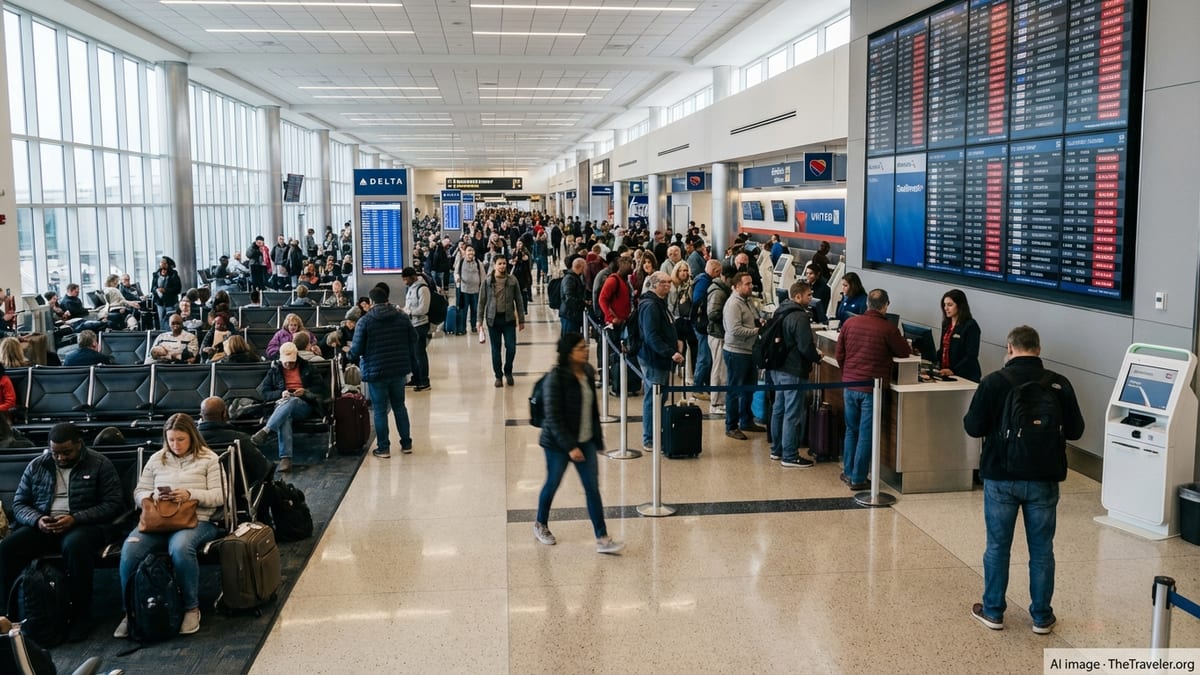
The combined strain on these three airlines is particularly visible on the scoreboard at BNA, where lines of flights to Atlanta, Memphis, and Chicago now display a patchwork of estimated departure times, maintenance holds, and weather-related delays.
Weather, Crew Rotations, and Construction Drive Disruptions
Recent regional weather has played a key role in the emerging disruption. Thunderstorm activity across the Southeast and Midwest has periodically forced reroutes, holding patterns, and temporary airport flow restrictions, especially around Atlanta, which already operates as one of the busiest hubs in the country. Social media accounts that track conditions at major hubs indicate that departures to Atlanta have faced average delays approaching or exceeding an hour during the most intense storms earlier this spring.
Beyond weather, the tight choreography of crew rotations and maintenance schedules amplifies even small problems. When a flight from Chicago or Atlanta arrives late into Nashville, its aircraft may be scheduled to operate a short-turn leg to Memphis or back out to another hub. Any delay in that sequence raises the risk that pilots or flight attendants will “time out” under duty rules, prompting further schedule changes while replacements are sourced.
Infrastructure work is another contributing factor. Federal aviation construction impact reports list ongoing taxiway projects at Memphis International Airport, which can temporarily constrain ground movements and lengthen taxi times for arriving and departing aircraft. While these projects are planned well in advance, they reduce operational flexibility during peak periods or bad weather, leaving less margin for error when traffic surges.
When storms, crew constraints, and infrastructure limitations align, the effect is sharply felt in Middle Tennessee, where BNA’s growing role as a regional gateway makes it susceptible to disruptions originating hundreds of miles away.
Middle Tennessee Travelers Confront Uncertain Weekend Plans
For travelers across Nashville and surrounding communities, the practical impact of these delays is already evident in longer airport dwell times, missed connections, and scrambled itineraries. Passenger accounts posted on travel forums in recent weeks describe itineraries that were re-routed through secondary cities such as Memphis when direct options via Atlanta or Chicago became untenable, adding hours and extra takeoffs to what were once straightforward journeys.
Reports from recent storm cycles show flights bound for Atlanta diverting into Nashville to refuel or wait out severe weather, then departing hours behind schedule once conditions improved. In turn, those delays reduced aircraft availability for outbound Nashville departures, tightening the squeeze on already busy Saturday and Sunday schedules.
The timing of the latest disruptions comes as demand builds toward the busy summer travel window. Nashville International Airport has experienced sustained growth in passenger numbers in recent years, underpinned by a major presence from Southwest and increasing service from legacy carriers. As leisure and business travelers across Middle Tennessee plan trips for Memorial Day and beyond, the prospect of recurring weekend disruptions on critical hub routes is raising concern.
Available data suggest that, while most flights are still operating, the margin between an on-time departure and a significant delay has narrowed. With schedules running tight and weather patterns remaining unsettled, travelers on Nashville’s key corridors to Atlanta, Memphis, and Chicago may need to brace for more turbulence on the ground before they ever reach the runway.