


More news on this day
Air travel across Europe faced another day of heavy disruption on June 18, with nearly 100 flights reportedly cancelled and more than 2,200 delayed at major hubs including London, Paris, Frankfurt, Amsterdam, Moscow and Rome, affecting passengers on carriers such as Lufthansa, Air France, Rossiya and Ryanair.
Get the latest news straight to your inbox!
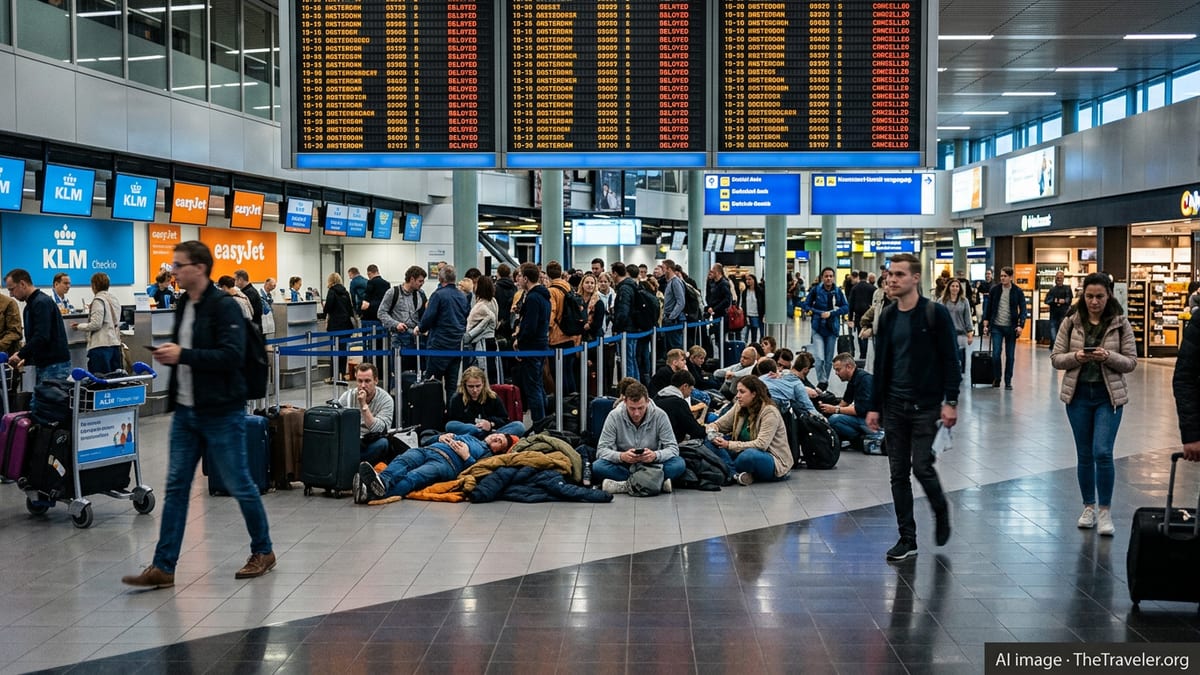
Major Hubs Struggle With Wave of Cancellations and Delays
Publicly available tracking data and media reports indicate that European networks entered Thursday under mounting operational pressure, with widespread delays layered on top of targeted cancellations. Flight information dashboards for major hubs such as London Heathrow, Paris Charles de Gaulle, Frankfurt, Amsterdam Schiphol, Rome Fiumicino and Dublin showed dense clusters of late departures and arrivals, while a smaller but significant portion of services were withdrawn from schedules.
In the aggregate, the disruption translated into roughly 99 cancellations and more than 2,200 delays across European airports, according to compiled figures from live aviation data providers. Although the total represents a fraction of the continent’s overall daily traffic, the concentration of those disruptions in already congested hubs magnified the impact on passengers, leading to missed connections, extended layovers and overnight rebookings.
Carriers including Lufthansa, Air France, Ryanair, Rossiya and several low cost operators were among those most exposed, reflecting their dense schedules through the affected airports. The problems were not confined to any single route or country, with disturbances visible across domestic, intra European and longer haul services.
Moscow Airspace Incident Adds To Network Stress
Operational strain intensified in Eastern Europe as Moscow’s airports dealt with a security related airspace incident that triggered hundreds of schedule changes. Regional coverage from Eastern European outlets described how all three of the Russian capital’s main airports registered a combined total of more than 500 flights cancelled or heavily delayed after a large scale drone attack prompted widespread restrictions.
Russia based reports detailed that flag carrier Aeroflot and its subsidiaries were forced to cancel more than 170 flights in response to the disruption, compounding the knock on delays at Sheremetyevo and other Moscow gateways. The suspension and diversion of services into and out of the region added further complexity to already strained airline networks, particularly for connecting itineraries linking Europe and Asia.
With aircraft and crew out of position following unscheduled returns to origin airports or extended ground time, the Moscow disruption is feeding into broader European punctuality challenges. Airlines are expected to spend several days realigning aircraft rotations and restoring normal patterns, even if local restrictions ease more rapidly.
Western European Hubs Face Capacity and Schedule Pressures
While the Moscow incident drew attention to security related vulnerabilities, western European hubs continued to contend with a mix of structural and seasonal pressures. Eurocontrol’s recent traffic and delay overviews for early 2026 have already flagged repeated peaks in departure delays above 30 minutes across the network, including at London, Paris, Amsterdam and Rome, as traffic rebounds toward or above pre pandemic levels.
Separate punctuality reports from the European airport sector for the first quarter of 2026 show that large airports such as Frankfurt, Paris Charles de Gaulle and Amsterdam Schiphol have been operating with on time performance levels that leave little margin when weather, staffing or airspace restrictions tighten unexpectedly. Even modest schedule adjustments can quickly cascade into late departures and missed slots when aircraft utilisation is high.
In Germany, Lufthansa had earlier outlined a series of summer schedule adjustments, including selective reductions in high frequency domestic and European routes from Frankfurt and Munich through June, in an effort to stabilise its operation. Industry analysts note that such pre planned cuts can help reduce last minute cancellations but also leave fewer spare seats available when irregular operations occur, making recovery from shocks more complicated for travellers.
Airlines and Passengers Grapple With Knock On Effects
The combination of targeted cancellations and thousands of delays is having visible consequences for both airlines and passengers. For carriers such as Lufthansa, Air France and Ryanair, the operational challenge extends beyond a single disrupted day, as late running aircraft and out of position crews force rolling adjustments to subsequent rotations across the network.
Ryanair services, for example, have already drawn attention in southern Europe this week after passengers at Athens International Airport reported long check in and boarding delays for flights to London, according to Greek travel coverage. While those incidents are not directly tied to the latest cancellation figures, they highlight how even localised bottlenecks can add stress to wider European schedules during the busy summer period.
For travellers, the latest wave of disruption is playing out against the backdrop of strengthened European passenger rights rules. Online consumer forums show a renewed focus on compensation and care obligations when flights are significantly delayed or cancelled, particularly for journeys involving multiple segments through hubs such as London, Amsterdam and Rome. Passengers are increasingly documenting expenses and rebooking efforts in anticipation of potential claims once their trips are completed.
Outlook For Summer Travel Across Europe
Industry data published over recent months suggests that European aviation entered the 2026 summer season with generally improving punctuality compared with the previous winter, but with persistent vulnerabilities around peak travel days and specific hubs. Network overviews from Eurocontrol point to recurring spikes in delays around weather events, airspace constraints and high traffic weekends, with large gateways like London Heathrow, Paris Charles de Gaulle, Amsterdam Schiphol and Rome Fiumicino bearing much of the burden.
Analysts expect airlines to continue fine tuning schedules through June and July, balancing strong demand for leisure travel with the need to preserve operational resilience. Some carriers have already reduced marginally profitable frequencies or retimed flights to ease pressure on congested early morning and evening peaks. Fuel market volatility and geopolitical risks, particularly around Eastern Europe and the Middle East, remain additional variables that could tighten capacity further.
For passengers planning trips in the coming weeks, publicly available guidance from airports and travel organisations increasingly emphasises early arrival at departure terminals, careful monitoring of flight status and building extra buffer time into itineraries that rely on tight connections. While the 99 cancellations and 2,223 delays recorded across Europe today represent a snapshot rather than a new baseline, they underscore how quickly conditions can deteriorate when multiple pressure points converge on the continent’s busiest hubs.