

More news on this day
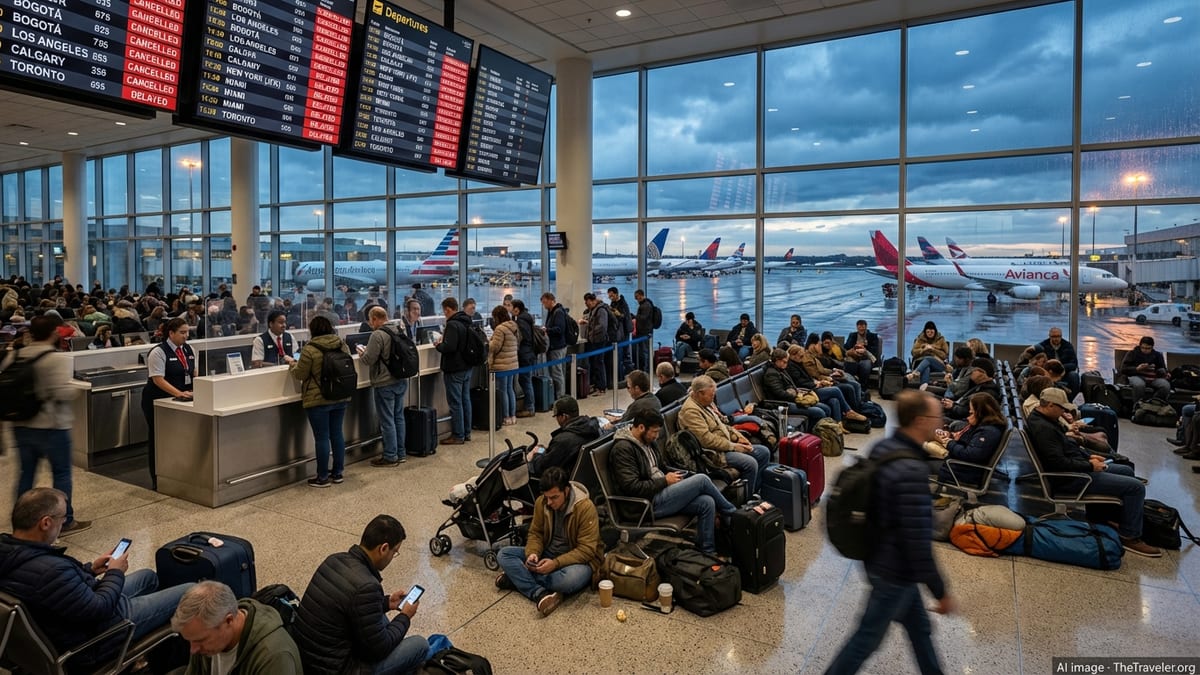
Travelers moving through Denver International Airport on June 18 are encountering a new round of flight disruptions, with publicly available data showing clusters of Southwest Airlines and United Airlines delays and cancellations rippling across some of the airport’s busiest domestic routes.
Get the latest news straight to your inbox!
Denver’s Role in a Strained National Network
Denver International Airport serves as a major connecting hub for both Southwest and United, and its central location often places it on the front line when weather and operational issues hit the national air network. Industry data for recent months indicates that Denver continues to rank among the busiest U.S. airports by passenger volume, supporting heavy schedules for both carriers and leaving little slack when disruptions occur.
Published operational dashboards from the airport show that Southwest and United together account for a majority share of Denver’s passenger traffic. When either airline experiences strain on a high-demand travel day, the effect can cascade quickly across departure banks, affecting not only local travelers but also connecting passengers heading to smaller regional markets and major coastal cities.
Travel analysts note that the reliance on tightly timed connecting itineraries magnifies the impact when even a modest weather system moves across the central United States. What might otherwise be a short ground delay at Denver can translate into missed onward flights for travelers bound for destinations such as Nashville, Houston, or Chicago, particularly on routes where frequencies thin out later in the day.
The latest wave of disruptions aligns with a broader pattern of elevated flight interruptions across the country, as airlines balance high summer demand with aircraft availability, crew scheduling rules, and residual weather-related backlogs from other hubs.
Southwest Cancellations Add Pressure on Leisure Routes
Southwest’s operation at Denver is a key pillar in its national point to point network, linking the Colorado hub with both regional and long haul leisure markets. Recent flight status snapshots indicate that some Denver bound and Denver originating departures have faced schedule changes, with a portion of those flights canceled or significantly delayed as the airline adjusts its network around weather and congestion in other cities.
The impact is particularly noticeable on leisure heavy routes where schedules are concentrated into a few key departure windows each day. When a morning or early afternoon Southwest flight from a Midwestern or Mountain West city into Denver is disrupted, travelers may find fewer same day rebooking options, especially on peak days when remaining seats are already sold or tightly controlled.
Operational experts point out that Southwest’s model, which often turns aircraft quickly at intermediate stations, can be vulnerable when a single disruption propagates through multiple legs. A late arriving aircraft from a prior city can place pressure on the next scheduled Denver segment, leaving Denver bound passengers facing gate holds or cancellations if timing constraints or crew duty limits are reached.
For travelers, the practical effect is longer lines at customer service counters and heavier use of same day standby lists on alternative routings through other Southwest focus cities, particularly when storms or air traffic restrictions simultaneously affect multiple regions.
United Disruptions Ripple Across Hub Connections
United’s position at Denver as a major connecting hub means that irregular operations at the airport can produce especially wide ranging effects. Flight tracking platforms on June 18 show numerous United departures and arrivals involving Denver, including services to Houston, Nashville, and other key domestic airports, with a subset marked as delayed or at risk as the day’s schedule evolves.
Because Denver acts as a central connection point in United’s banked hub structure, delays to inbound flights can quickly disrupt planned connections onto outbound waves. Travelers arriving late from smaller cities may miss their onward flights from Denver to major hubs, leading to additional rebooking activity, hotel accommodations in cases of overnight disruption, and heightened pressure on subsequent departure banks.
Publicly available airline data for earlier months shows that United has steadily increased its Denver capacity, reinforcing its status as one of the carrier’s primary domestic hubs. While the growth provides more route options for passengers, it also means that any day of weather or air traffic control restrictions can have outsize consequences, particularly when compounded by aircraft routing changes or crew repositioning challenges.
Industry observers note that United has invested in digital tools that allow many customers to self rebook during irregular operations, but those options can become constrained when a large number of flights on key trunk routes are simultaneously full or delayed.
Weather, Staffing and Air Traffic Controls Behind the Delays
The disruptions unfolding at Denver sit within a complex mix of contributing factors that affect U.S. aviation more broadly. Seasonal thunderstorms across the central and western United States routinely trigger flow restrictions and reroutes, while periods of reduced visibility at high altitude airports such as Denver can slow runway throughput and lead to ground stops or volume controls.
Operational commentary from industry analysts in recent weeks has also highlighted continuing staffing sensitivities across the national air traffic control system. When combined with weather patterns, these constraints can lead to delays that build throughout the day, especially at large hubs where multiple airlines operate tight schedules in overlapping time windows.
Airline scheduling decisions add another layer, as carriers balance aggressive capacity plans with maintenance requirements and crew scheduling rules. Even when individual flights display an on time status earlier in the day, accumulating delays elsewhere in a carrier’s system can prompt preemptive cancellations or consolidation of frequencies to preserve later bank integrity and reduce overnight disruptions.
Denver’s role as a mid continent hub means it often receives a mix of aircraft and crews that have already been affected by conditions at other airports. As those inbound flights arrive behind schedule, the airport’s departure banks for Southwest and United can experience compounding delays that are not solely driven by local weather conditions.
What Travelers Through Denver Can Do Now
With cancellations and delays affecting both Southwest and United itineraries at Denver, travel experts emphasize preparation and flexibility for anyone scheduled to pass through the airport. Checking flight status repeatedly on the day of travel, rather than relying solely on the initial booking information, can help passengers spot schedule changes early and adjust ground transport and connection plans.
Passengers are also encouraged to build additional connection time into itineraries that route through Denver, particularly when traveling in the late afternoon or evening, periods that are more vulnerable to roll on effects from earlier delays. Selecting longer layovers, even when less convenient, can reduce the risk of misconnecting if an inbound flight encounters weather or air traffic control restrictions.
For travelers whose flights are already disrupted, airline mobile apps and websites often provide the fastest path to rebooking, as they allow passengers to view alternative routings and open seats without waiting in airport lines. Monitoring options into or out of nearby airports along the Front Range, where practical, may also create additional routing possibilities during peak disruption periods.
Given Denver’s continued prominence in both Southwest and United networks, analysts expect that the airport will remain a focal point for any nationwide operational strains over the coming weeks. Travelers planning summer trips through the Colorado hub may benefit from tracking how each carrier’s schedule and on time performance trends develop as the busy season progresses.