


More news on this day
Hundreds of passengers across Canada faced a difficult travel day as airports in Calgary, Toronto, Montréal, Ottawa and Halifax recorded a combined 466 flight delays and 128 cancellations, disrupting schedules for carriers including Air Canada, Jazz, Porter Airlines and WestJet.
Get the latest news straight to your inbox!
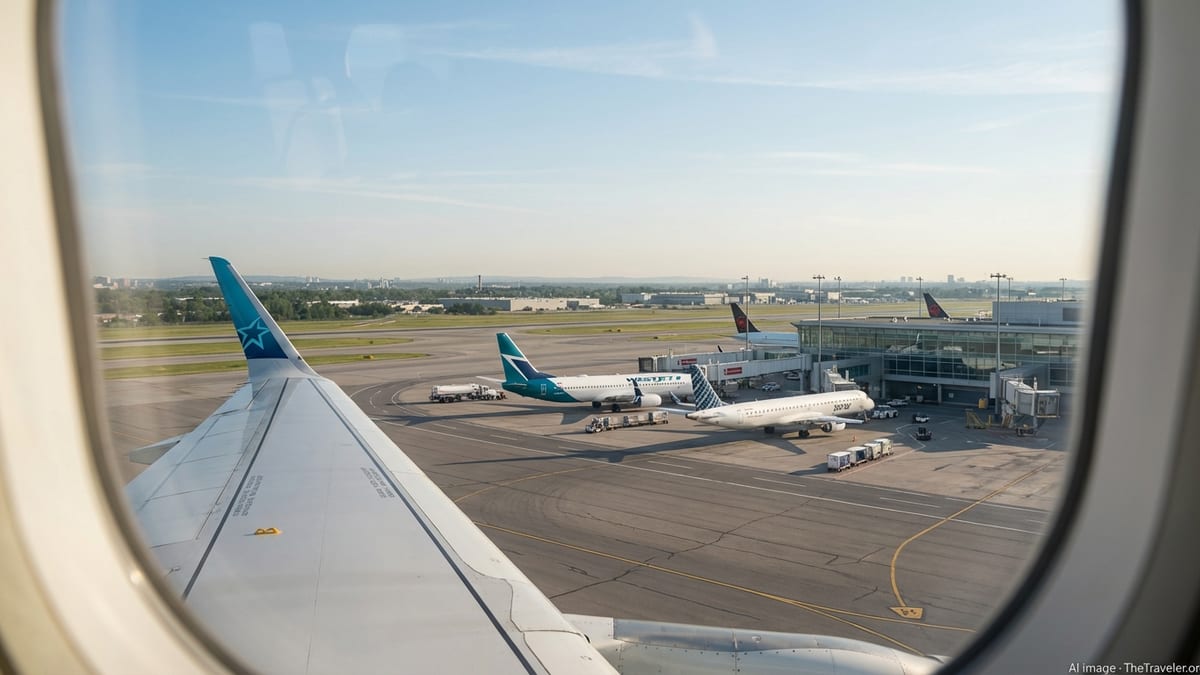
Busy Hubs See Another Day of Turbulent Operations
The latest wave of disruptions affected some of Canada’s busiest airports, where already stretched operations have been under scrutiny in recent months for recurring punctuality problems. Publicly available data indicates that Toronto Pearson, Montréal Trudeau, Calgary International, Ottawa Macdonald Cartier and Halifax Stanfield once again shouldered the bulk of the country’s flight irregularities.
The total of 466 delays and 128 cancellations across these hubs reflects a mix of issues ranging from congested airspace and tight aircraft rotations to adverse weather in parts of the country and the United States. With Canada’s domestic network heavily concentrated through a handful of major airports, a problem at one hub can quickly ripple outward, producing knock on effects throughout the day.
Travel industry observers note that these five airports play an outsized role in Canada’s aviation system, handling a large share of national passenger traffic and aircraft movements. When operations slow at more than one of them at the same time, the result is amplified disruption for travelers on both short haul and transcontinental routes.
National Carriers Under Pressure As Schedules Slip
Flight tracking boards across the affected airports showed that the brunt of the disruption fell on Canada’s largest airlines. Air Canada and its regional affiliate Jazz experienced a significant share of the delays and cancellations, consistent with their dominant market presence at Toronto, Montréal and Halifax.
WestJet, which operates a substantial domestic and transcontinental network from Calgary and serves all of the impacted cities, also appeared prominently in disruption tallies. Porter Airlines, expanding its footprint from eastern Canada into Western routes such as Calgary and Ottawa, likewise reported delayed and cancelled services as tight schedules collided with operational constraints.
Other carriers with smaller footprints at these airports were not immune, but the scale of the impact closely tracked each airline’s number of scheduled departures. With high aircraft utilization and limited spare capacity typical in peak summer travel, even a single mechanical inspection taking longer than expected or a storm forcing minor rerouting can cascade into missed slots and rolling delays.
Weather, Congestion and Tight Turnarounds Drive Knock On Effects
Reports from flight status services and traveler accounts point to a combination of factors behind the latest disruption numbers. Summer weather systems over parts of Western and Central Canada led to air traffic control restrictions and rerouted flights, which in turn caused some aircraft to arrive late for their next legs out of Calgary and Toronto.
At the same time, heavy traffic volumes at Montréal and Ottawa limited flexibility for airlines attempting to recover their schedules. A late arriving aircraft can mean ground crews, gates and flight crews need to be reassigned with little notice, a process that slows boarding and pushes departures outside their allotted times.
Industry data published by Canadian transportation authorities in recent seasons has highlighted how tightly run schedules leave limited margin for recovery when irregular operations occur. The simultaneous appearance of delays and cancellations at multiple hubs indicates that today’s problems were not confined to a single weather cell or technical incident but reflected broader strain across the network.
Passengers Confront Missed Connections and Overnight Stays
For travelers, the statistics translated into long lines at check in counters, crowded departure lounges and extensive rebooking efforts as missed connections multiplied throughout the day. Those traveling on multi leg itineraries through Toronto, Montréal or Calgary were particularly exposed, as disruptions on an initial domestic segment often meant onward flights departed without them.
In some cases, cancellation of an early morning departure left passengers facing limited same day alternatives, especially on routes that operate only once or twice daily. Travelers connecting from or to Halifax and Ottawa, where frequencies are lower than at the country’s largest hubs, reported being rebooked on later flights or routed through different cities than originally planned.
Social media posts from affected passengers described difficulties securing hotel vouchers or meal assistance in line with airline policies and national regulations. While some carriers appeared to provide accommodation and rebooking at no additional cost, others directed customers to online claim forms, prolonging uncertainty for those stranded overnight.
What Travelers Can Do On High Disruption Days
Consumer advocates and travel specialists generally recommend that passengers build extra time into itineraries involving major Canadian hubs during periods of heightened disruption. Booking longer connection windows, particularly when transiting through Toronto or Montréal, can reduce the risk that a short delay on the first leg triggers a missed onward flight.
Travelers are also encouraged to monitor flight status closely through airline applications and airport departure boards, as schedules can change repeatedly over the course of a single day. When widespread delays emerge, acting early to join rebooking queues or inquire about alternative routings can improve the chances of securing a same day arrival at the intended destination.
For itineraries that are especially time sensitive, such as international connections or events with fixed start times, some analysts suggest considering first wave departures in the morning, which are less exposed to knock on effects from earlier delays. Others point to the value of travel insurance and credit card protections in offsetting out of pocket costs for hotels and meals when cancellations occur.
With Canadian aviation experiencing recurring bouts of disruption at its major gateways, today’s figures from Calgary, Toronto, Montréal, Ottawa and Halifax underscore the ongoing challenge of maintaining on time performance in a complex, weather sensitive network at the height of the travel season.